Saturday Night Live has a long history of riffing on pop culture, but when the NBC sketch show uses Nintendo characters it can draw awkward reactions from the company that owns the intellectual property.
In a recent YouTube video, former Nintendo employees Kit Ellis and Krysta Yang discussed two SNL sketches that featured Nintendo characters — one from 2021 and a more recent segment — and said those sketches did not sit well with Nintendo internally.
The 2021 SNL episode hosted by Elon Musk is a verifiable touchpoint.
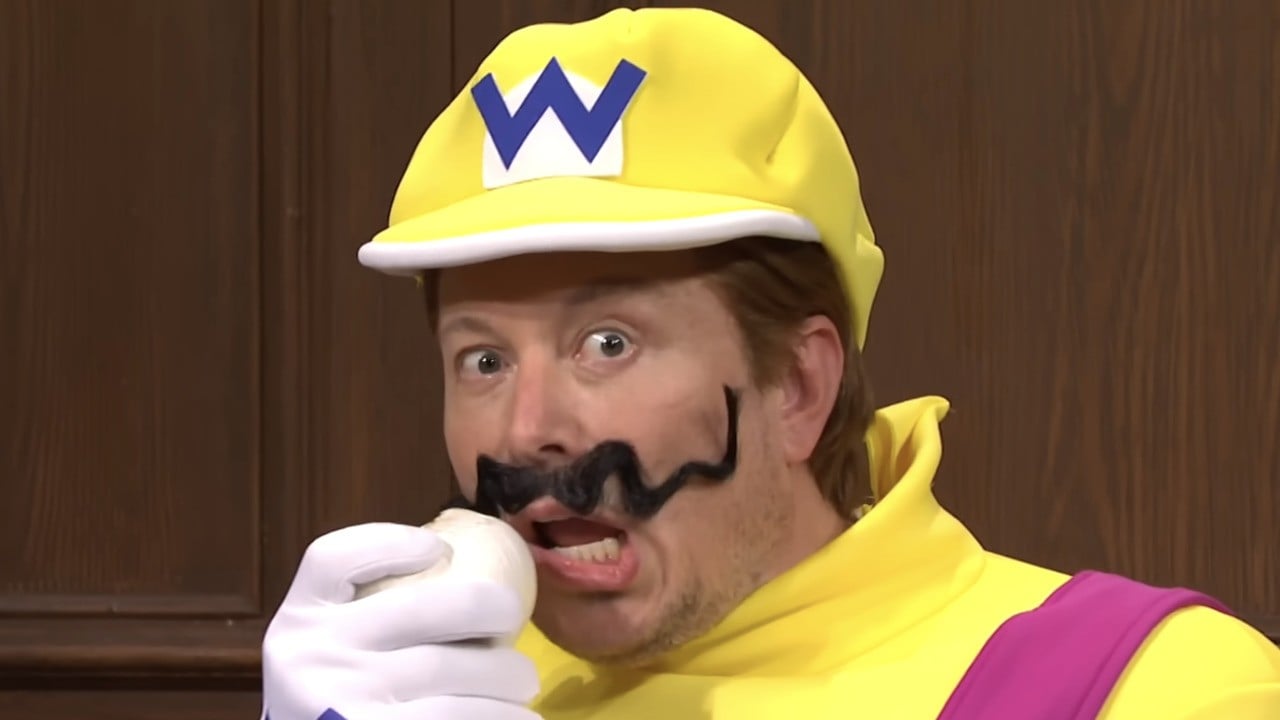
Musk hosted Saturday Night Live on May 8, 2021, and one of the sketches that night included a courtroom sequence with Musk portraying a character resembling Wario.
In their video, Krysta Yang conveyed that Nintendo reacted negatively to the 2021 sketch, saying the company “did not like” how the portrayal landed and that it “did not go over well.” Kit Ellis added context, noting that the sketch felt disconnected from any current Nintendo product and crossed into subject matter that made Nintendo uncomfortable, describing it as unexpected and “out of left field.”
Ellis and Yang also addressed a more recent SNL sketch that paired Link, the protagonist of Nintendo’s The Legend of Zelda franchise, with a character from the Grand Theft Auto series.
Their comments reflect how even humorous or satirical uses of Nintendo’s IP can prompt internal concern about tone and brand alignment.
The Legend of Zelda is one of Nintendo’s flagship franchises; core entries like The Legend of Zelda: Breath of the Wild (released March 3, 2017) and its sequel Tears of the Kingdom (released May 12, 2023) were developed by Nintendo EPD for the Nintendo Switch and remain central to Nintendo’s platform strategy.
Nintendo has historically been protective of its characters and brand image.
That stance is consistent with how the company manages high-profile IP across marketing, Nintendo Direct presentations, and the Nintendo eShop.
Former employees’ observations underline a broader dynamic: when major media outlets or celebrity hosts use Nintendo characters in sketches or trailers, the company evaluates how those portrayals align with its family-friendly and carefully managed public image.
What Ellis and Yang discussed is now part of the public conversation about how legacy game companies respond to mainstream satire.
Their commentary, posted to YouTube, gives an inside-eye perspective on Nintendo’s sensitivities around third-party portrayals of iconic characters such as Wario and Link.
For industry observers, the episode is another reminder that Nintendo treats its IP with caution and that high-profile parodies can elicit formal concern from publishers and developers alike.
In a recent YouTube video, former Nintendo employees Kit Ellis and Krysta Yang discussed two SNL sketches that featured Nintendo characters — one from 2021 and a more recent segment — and said those sketches did not sit well with Nintendo internally.
The 2021 SNL episode hosted by Elon Musk is a verifiable touchpoint.
Musk hosted Saturday Night Live on May 8, 2021, and one of the sketches that night included a courtroom sequence with Musk portraying a character resembling Wario.
In their video, Krysta Yang conveyed that Nintendo reacted negatively to the 2021 sketch, saying the company “did not like” how the portrayal landed and that it “did not go over well.” Kit Ellis added context, noting that the sketch felt disconnected from any current Nintendo product and crossed into subject matter that made Nintendo uncomfortable, describing it as unexpected and “out of left field.”
Ellis and Yang also addressed a more recent SNL sketch that paired Link, the protagonist of Nintendo’s The Legend of Zelda franchise, with a character from the Grand Theft Auto series.
Their comments reflect how even humorous or satirical uses of Nintendo’s IP can prompt internal concern about tone and brand alignment.
The Legend of Zelda is one of Nintendo’s flagship franchises; core entries like The Legend of Zelda: Breath of the Wild (released March 3, 2017) and its sequel Tears of the Kingdom (released May 12, 2023) were developed by Nintendo EPD for the Nintendo Switch and remain central to Nintendo’s platform strategy.
Nintendo has historically been protective of its characters and brand image.
That stance is consistent with how the company manages high-profile IP across marketing, Nintendo Direct presentations, and the Nintendo eShop.
Former employees’ observations underline a broader dynamic: when major media outlets or celebrity hosts use Nintendo characters in sketches or trailers, the company evaluates how those portrayals align with its family-friendly and carefully managed public image.
What Ellis and Yang discussed is now part of the public conversation about how legacy game companies respond to mainstream satire.
Their commentary, posted to YouTube, gives an inside-eye perspective on Nintendo’s sensitivities around third-party portrayals of iconic characters such as Wario and Link.
For industry observers, the episode is another reminder that Nintendo treats its IP with caution and that high-profile parodies can elicit formal concern from publishers and developers alike.