
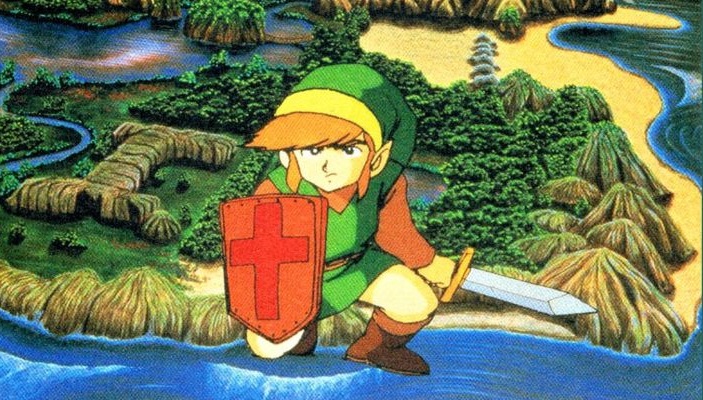
Nintendo has publicly thanked fans after being named the top game developer in a poll conducted by Japanese publication Famitsu.
The company issued a formal statement acknowledging the accolade, praising the reception of key franchises and reflecting on its long history that began with the Famicom (known internationally as the NES) in 1983.
Background and context
Nintendo’s Famicom launched in Japan in 1983 and established the console foundation for the company’s modern role in the industry.
Over the ensuing decades Nintendo has developed landmark franchises such as Mario and The Legend of Zelda and supported multiple hardware generations, most recently the Nintendo Switch.
Famitsu — a long-running Japanese games publication — polled readers on favorite developers, and Nintendo emerged as the readers’ top choice.
Company response (rewritten)
In its statement, Nintendo thanked fans for selecting the company as the number-one game developer and said it was “extremely happy” that readers responded positively to Mario and The Legend of Zelda.
The company noted that since the Famicom’s 1983 debut it has sought to introduce people to video games, and expressed gratitude to Famitsu for sustaining enthusiasm among customers over the past 40 years.
Nintendo emphasized that technology and the development environment have evolved, but that “originality” has remained a guiding principle through ongoing experimentation and learning.
The statement concluded with a pledge to continue creating distinctive entertainment and an expression of goodwill toward Famitsu on its 40-year milestone.
Why it matters
The recognition from Famitsu highlights Nintendo’s enduring presence across console generations — from the Famicom and Super NES through Game Boy, Wii, and Nintendo Switch — and underlines the cultural impact of flagship series like Mario and Zelda in Japan and worldwide.
For developers and industry observers, the vote is a reminder of Nintendo’s brand strength and its focus on first-party IP and hardware integration.
Looking ahead
Nintendo’s statement focused on appreciation and continuity rather than new product details.
The company continues to support the Nintendo Switch platform and the Nintendo eShop as primary distribution channels for first- and third-party releases, while maintaining a stated commitment to originality in future projects.
The company issued a formal statement acknowledging the accolade, praising the reception of key franchises and reflecting on its long history that began with the Famicom (known internationally as the NES) in 1983.
Background and context
Nintendo’s Famicom launched in Japan in 1983 and established the console foundation for the company’s modern role in the industry.
Over the ensuing decades Nintendo has developed landmark franchises such as Mario and The Legend of Zelda and supported multiple hardware generations, most recently the Nintendo Switch.
Famitsu — a long-running Japanese games publication — polled readers on favorite developers, and Nintendo emerged as the readers’ top choice.
Company response (rewritten)
In its statement, Nintendo thanked fans for selecting the company as the number-one game developer and said it was “extremely happy” that readers responded positively to Mario and The Legend of Zelda.
The company noted that since the Famicom’s 1983 debut it has sought to introduce people to video games, and expressed gratitude to Famitsu for sustaining enthusiasm among customers over the past 40 years.
Nintendo emphasized that technology and the development environment have evolved, but that “originality” has remained a guiding principle through ongoing experimentation and learning.
The statement concluded with a pledge to continue creating distinctive entertainment and an expression of goodwill toward Famitsu on its 40-year milestone.
Why it matters
The recognition from Famitsu highlights Nintendo’s enduring presence across console generations — from the Famicom and Super NES through Game Boy, Wii, and Nintendo Switch — and underlines the cultural impact of flagship series like Mario and Zelda in Japan and worldwide.
For developers and industry observers, the vote is a reminder of Nintendo’s brand strength and its focus on first-party IP and hardware integration.
Looking ahead
Nintendo’s statement focused on appreciation and continuity rather than new product details.
The company continues to support the Nintendo Switch platform and the Nintendo eShop as primary distribution channels for first- and third-party releases, while maintaining a stated commitment to originality in future projects.





