With the success of Animal Crossing: New Horizons, anticipation is high for the next entry in Nintendo's beloved franchise, especially as the gaming world transitions to the Nintendo Switch 2.
Animal Crossing: New Horizons, developed by Nintendo, launched in March 2020 exclusively for the Nintendo Switch and quickly became a cultural landmark, selling nearly 50 million copies worldwide.
Its immense popularity elevated Animal Crossing to one of Nintendo's most iconic and best-selling series.
Yet, aside from the recently revealed Nintendo Switch 2 Edition for New Horizons, fans have heard little regarding the franchise’s future direction, as full-scale development for a new Animal Crossing title is known to be a considerable undertaking.
A key factor in New Horizons' appeal was its advanced customization and the Island Designer feature, offering unprecedented player freedom in shaping their islands and homes.
These options encouraged creativity and self-expression, fueling a vibrant community and social sharing of impressive builds on platforms like Twitter and Reddit.
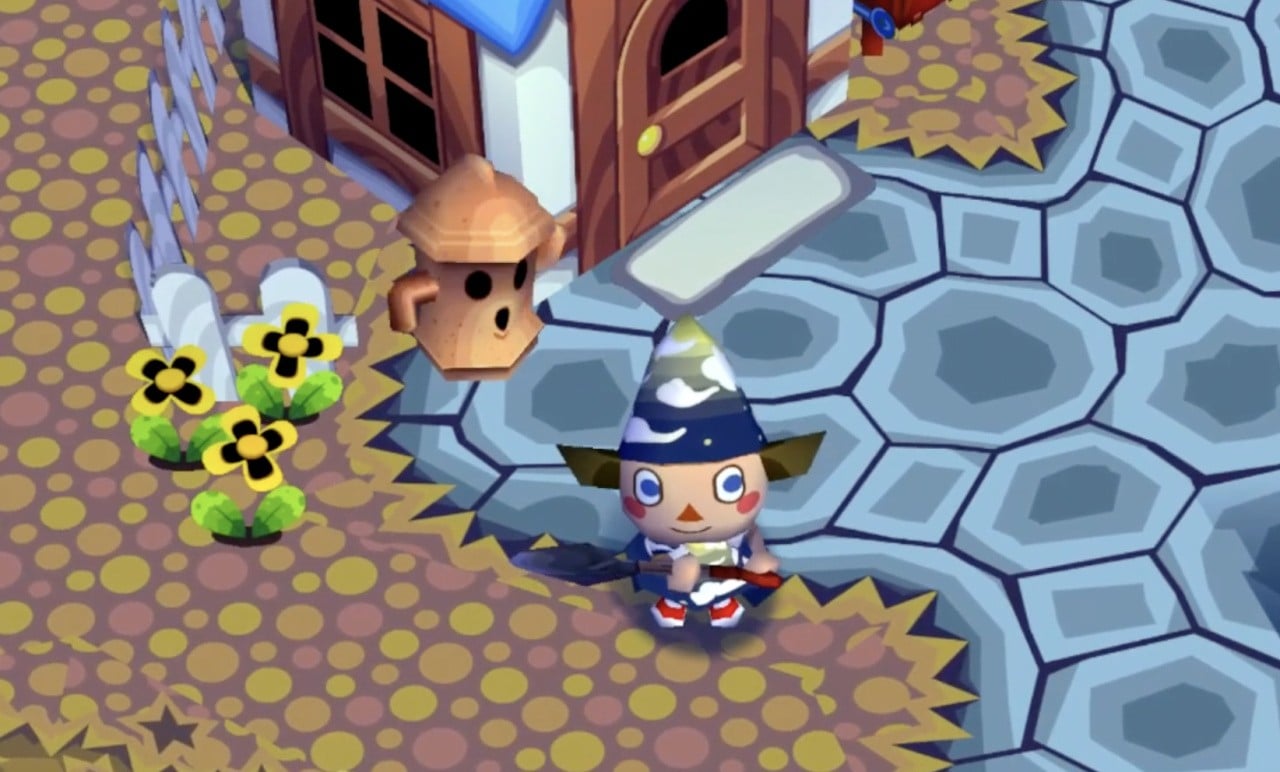
However, as the franchise leaned heavily into creative tools, it gradually shifted away from the distinctive, sometimes quirky tone that characterized the original Animal Crossing on the GameCube.
The GameCube version, released in 2001 (2002 in North America), set a unique mood.
Players, cast as the sole human among a town of animals, had to earn the villagers' trust over time.
Early interactions were sometimes abrasive, fostering a feeling of gradual social progression rather than immediate friendships.
Longtime fans reminisce about the bittersweet moments—such as villagers unexpectedly moving away and leaving heartfelt goodbye letters—that injected a sense of unpredictability and emotion into daily gameplay.
In contrast, New Horizons’ villagers are almost uniformly welcoming, and while players can deepen their relationships enough to receive special items like character portraits, the game’s core progression is more visually and materially focused than socially dynamic.
Critics and series veterans observe that Animal Crossing’s distinctive 'weirdness' or 'uniqueness' has been softened across recent games.
Characters such as Mr. Resetti, once notorious for stern lectures after players reset without saving, have been sidelined to brief cameos.
Gyroids, previously odd and sometimes unsettling collectibles, have been reimagined in New Horizons as cute, friendly decorations, aligning with a more wholesome aesthetic.
Nintendo’s recent project heritage offers clues for the future.
With titles like Mario Kart World and the latest Donkey Kong, Nintendo has shown a willingness to revisit classic designs, blending nostalgia with modern polish.
Animal Crossing could similarly benefit from returning to its visual origins.
Observing the shift, Animal Crossing World notes stark artistic differences between New Horizons and the original GameCube edition—where bright, distinctive grass patterns, vivid trees, and bold textures made every town visually iconic.
Replicating this style in HD could help the new entry stand out, reinforcing an instantly recognizable artistic identity.
As the Nintendo Switch 2 era launches, expectations are high that Nintendo’s next Animal Crossing will refine its villagers and environments to infuse more life and variety into everyday play.
Balancing the approachable charm of New Horizons with the unpredictability and emotional range of the original could revitalize the series, ensuring the towns feel alive and unique each day.
Fans hope that a renewed focus on social progression, coupled with a bold, nostalgic art direction, will mark the next chapter as a true return to the franchise’s celebrated roots.
Are these changes what the Animal Crossing community desires?
As new hardware opens up new possibilities, all eyes remain on Nintendo for news of the sequel that could define the next generation of cozy life simulation.
Animal Crossing: New Horizons, developed by Nintendo, launched in March 2020 exclusively for the Nintendo Switch and quickly became a cultural landmark, selling nearly 50 million copies worldwide.
Its immense popularity elevated Animal Crossing to one of Nintendo's most iconic and best-selling series.
Yet, aside from the recently revealed Nintendo Switch 2 Edition for New Horizons, fans have heard little regarding the franchise’s future direction, as full-scale development for a new Animal Crossing title is known to be a considerable undertaking.
A key factor in New Horizons' appeal was its advanced customization and the Island Designer feature, offering unprecedented player freedom in shaping their islands and homes.
These options encouraged creativity and self-expression, fueling a vibrant community and social sharing of impressive builds on platforms like Twitter and Reddit.
However, as the franchise leaned heavily into creative tools, it gradually shifted away from the distinctive, sometimes quirky tone that characterized the original Animal Crossing on the GameCube.
The GameCube version, released in 2001 (2002 in North America), set a unique mood.
Players, cast as the sole human among a town of animals, had to earn the villagers' trust over time.
Early interactions were sometimes abrasive, fostering a feeling of gradual social progression rather than immediate friendships.
Longtime fans reminisce about the bittersweet moments—such as villagers unexpectedly moving away and leaving heartfelt goodbye letters—that injected a sense of unpredictability and emotion into daily gameplay.
In contrast, New Horizons’ villagers are almost uniformly welcoming, and while players can deepen their relationships enough to receive special items like character portraits, the game’s core progression is more visually and materially focused than socially dynamic.
Critics and series veterans observe that Animal Crossing’s distinctive 'weirdness' or 'uniqueness' has been softened across recent games.
Characters such as Mr. Resetti, once notorious for stern lectures after players reset without saving, have been sidelined to brief cameos.
Gyroids, previously odd and sometimes unsettling collectibles, have been reimagined in New Horizons as cute, friendly decorations, aligning with a more wholesome aesthetic.
Nintendo’s recent project heritage offers clues for the future.
With titles like Mario Kart World and the latest Donkey Kong, Nintendo has shown a willingness to revisit classic designs, blending nostalgia with modern polish.
Animal Crossing could similarly benefit from returning to its visual origins.
Observing the shift, Animal Crossing World notes stark artistic differences between New Horizons and the original GameCube edition—where bright, distinctive grass patterns, vivid trees, and bold textures made every town visually iconic.
Replicating this style in HD could help the new entry stand out, reinforcing an instantly recognizable artistic identity.
As the Nintendo Switch 2 era launches, expectations are high that Nintendo’s next Animal Crossing will refine its villagers and environments to infuse more life and variety into everyday play.
Balancing the approachable charm of New Horizons with the unpredictability and emotional range of the original could revitalize the series, ensuring the towns feel alive and unique each day.
Fans hope that a renewed focus on social progression, coupled with a bold, nostalgic art direction, will mark the next chapter as a true return to the franchise’s celebrated roots.
Are these changes what the Animal Crossing community desires?
As new hardware opens up new possibilities, all eyes remain on Nintendo for news of the sequel that could define the next generation of cozy life simulation.