A new fan translation project is bringing the Gaeilge (Irish) language to Nintendo 64 classic Super Mario 64.
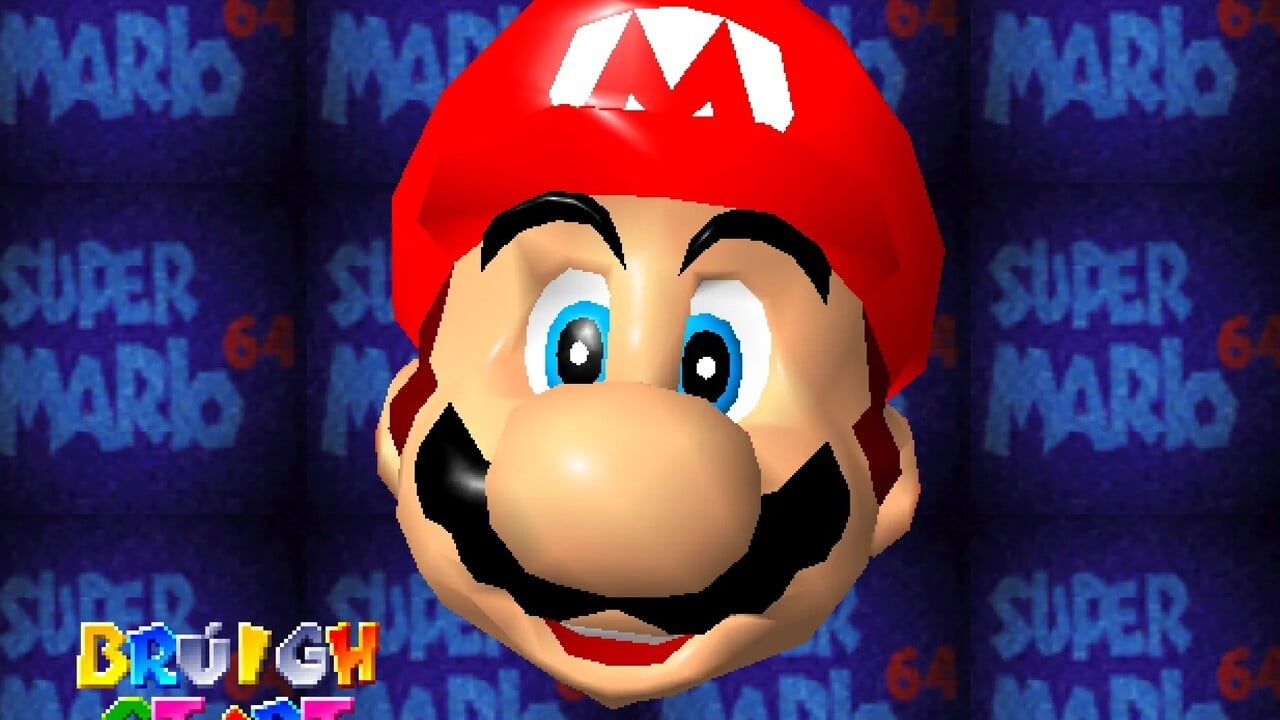
The work-in-progress recomp, created by homebrewer Draoi Aisteach, aims to localize menus, HUD elements and in-game text for the 3D platformer that originally launched on Nintendo 64 in 1996.
Super Mario 64 is one of the most influential titles in Nintendo's catalogue and a frequent subject of ROM-hacking and preservation efforts.
Homebrew and fan-translation communities commonly produce patches and recompilations that update or rework the original code to add new features, accessibility options or localizations.
Aisteach's project follows that tradition by focusing on a Celtic-language localization not provided by official releases.
Aisteach shared an image of the recomp in progress and explicitly stated the mod contains no generative-AI assistance.
They emphasized the translation is handcrafted and that any errors would be human in origin, noting the final development phase consists of careful proofreading with help from another native speaker.
In journalistic terms: Aisteach confirmed the project uses no gen-AI tools, warned that human errors such as spelling or contextual mistakes may remain, and said they are finishing with intensive human-led proofreading to ensure linguistic accuracy.
Fan translations like this expand access to classic games for speakers of underrepresented languages and play a role in community-led preservation of gaming history.
While Nintendo has reissued many legacy titles across modern platforms and services such as Nintendo Switch and Nintendo Switch Online, official localizations do not cover every language community—leaving room for dedicated hobbyists to fill gaps.
What we know: the project is a work-in-progress, it targets the Nintendo 64 build of Super Mario 64, and its creator has publicly highlighted a commitment to manual translation practices rather than automated systems.
The project was reported and summarized by Kris Moyse, who covered Aisteach's announcement and progress.
For players and preservationists, this recomp will be notable for its cultural focus and its mindset: a small-scale, ethically minded homebrew effort that relies on human translators.
No release date or distribution details have been announced; as with other ROM-hacking projects, distribution typically occurs as patch files that must be applied to original game images.
Observers who follow ROM-hacking, homebrew, and localization efforts will likely watch for a completed proofread before any public release.