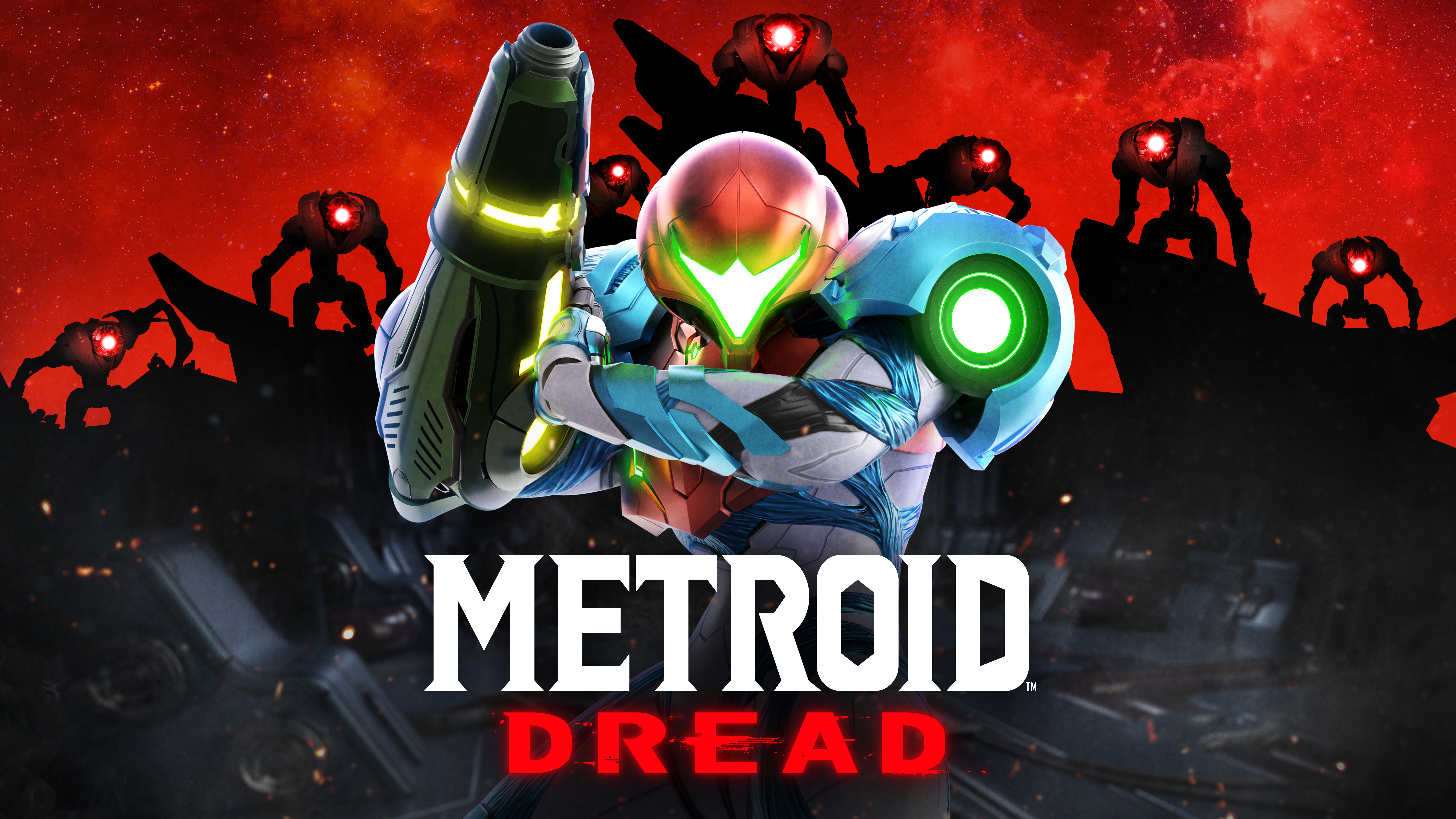


After years of anticipation, Metroid Prime 4 has finally launched on the Nintendo Switch, marking a significant milestone for both fans and the development team at Retro Studios.
First announced during a Nintendo Direct presentation, the latest installment in the iconic Metroid series has been closely watched since its initial unveiling, particularly after the project experienced a highly publicized development restart in 2019.
With Metroid Prime 4 now available on the eShop and at retail, the team is shedding light on the creative decisions that shaped the game's unique approach.
A senior developer at Retro Studios recently spoke to a respected Japanese news outlet, providing valuable insight into the creative process behind Metroid Prime 4’s area design.
The developer reflected on early discussions, noting how influential open-world titles like The Legend of Zelda: Breath of the Wild inspired players to request a similar structure for Metroid Prime 4.
"At the beginning of the project, influenced by the success of Breath of the Wild, we observed considerable demand for an open-world Metroid from the gaming community," the developer explained.
However, the team at Retro Studios believed that the essence of the Metroid series lies in gradually expanding the playable map by unlocking new abilities rather than allowing immediate, unrestricted exploration.
"Metroid’s core identity revolves around increasing the amount of explorable space by acquiring new powers.
This doesn’t align well with the concept of being able to travel anywhere from the outset," the developer continued.
Instead, the team opted for a design focused on contained but freely explorable areas, using central hubs to connect different regions.
"We designed limited areas that serve as hubs, each offering interconnected segments.
The aim was to allow players to explore at their own pace, while special features—such as bike traversal within certain zones—bring variety and help regulate the game’s pacing."
Development of Metroid Prime 4 took longer than initially anticipated, as the team navigated changing industry trends and rising expectations for open-world gameplay.
The developer acknowledged that by the time the game neared completion, player sentiment toward open-world games had evolved.
"Given that we had already restarted production once after moving development to Retro Studios, revisiting the entire structure again was not feasible," the developer explained.
"Over the course of production, action and shooting games evolved, particularly in terms of speed, but incorporating those trends would have compromised the deliberate pace of an adventure game.
We chose to stay true to our vision, even if it meant standing apart from current trends."
Metroid Prime 4 stands as a culmination of Retro Studios’ dedication to the franchise’s core values—at a time when other adventure games are rapidly evolving toward sprawling, high-speed open worlds.
With its thoughtful approach to area design and exploration, the title stays faithful to its roots on the Nintendo Switch, reinforcing the distinct identity that has defined Metroid since its inception.
Fans and newcomers alike can now experience Metroid Prime 4 on the Nintendo Switch, available both in stores and on the eShop, and appreciate the intentional decisions that went into creating this landmark release.
First announced during a Nintendo Direct presentation, the latest installment in the iconic Metroid series has been closely watched since its initial unveiling, particularly after the project experienced a highly publicized development restart in 2019.
With Metroid Prime 4 now available on the eShop and at retail, the team is shedding light on the creative decisions that shaped the game's unique approach.
A senior developer at Retro Studios recently spoke to a respected Japanese news outlet, providing valuable insight into the creative process behind Metroid Prime 4’s area design.
The developer reflected on early discussions, noting how influential open-world titles like The Legend of Zelda: Breath of the Wild inspired players to request a similar structure for Metroid Prime 4.
"At the beginning of the project, influenced by the success of Breath of the Wild, we observed considerable demand for an open-world Metroid from the gaming community," the developer explained.
However, the team at Retro Studios believed that the essence of the Metroid series lies in gradually expanding the playable map by unlocking new abilities rather than allowing immediate, unrestricted exploration.
"Metroid’s core identity revolves around increasing the amount of explorable space by acquiring new powers.
This doesn’t align well with the concept of being able to travel anywhere from the outset," the developer continued.
Instead, the team opted for a design focused on contained but freely explorable areas, using central hubs to connect different regions.
"We designed limited areas that serve as hubs, each offering interconnected segments.
The aim was to allow players to explore at their own pace, while special features—such as bike traversal within certain zones—bring variety and help regulate the game’s pacing."
Development of Metroid Prime 4 took longer than initially anticipated, as the team navigated changing industry trends and rising expectations for open-world gameplay.
The developer acknowledged that by the time the game neared completion, player sentiment toward open-world games had evolved.
"Given that we had already restarted production once after moving development to Retro Studios, revisiting the entire structure again was not feasible," the developer explained.
"Over the course of production, action and shooting games evolved, particularly in terms of speed, but incorporating those trends would have compromised the deliberate pace of an adventure game.
We chose to stay true to our vision, even if it meant standing apart from current trends."
Metroid Prime 4 stands as a culmination of Retro Studios’ dedication to the franchise’s core values—at a time when other adventure games are rapidly evolving toward sprawling, high-speed open worlds.
With its thoughtful approach to area design and exploration, the title stays faithful to its roots on the Nintendo Switch, reinforcing the distinct identity that has defined Metroid since its inception.
Fans and newcomers alike can now experience Metroid Prime 4 on the Nintendo Switch, available both in stores and on the eShop, and appreciate the intentional decisions that went into creating this landmark release.