
For much of its history the Super Mario franchise has been defined first and foremost by tight level design and player-focused mechanics rather than sweeping narratives.
High-profile examples underscore that pattern: New Super Mario Bros.
Wii launched for Wii in 2009 as a return to classic, gameplay-forward platforming, while Paper Mario: Sticker Star, released for Nintendo 3DS in 2012, drew criticism from sections of the fanbase for its comparatively thin story.
Against that backdrop, Super Mario Galaxy stands out for bringing more overt emotional weight to a mainstream 3D Mario game.
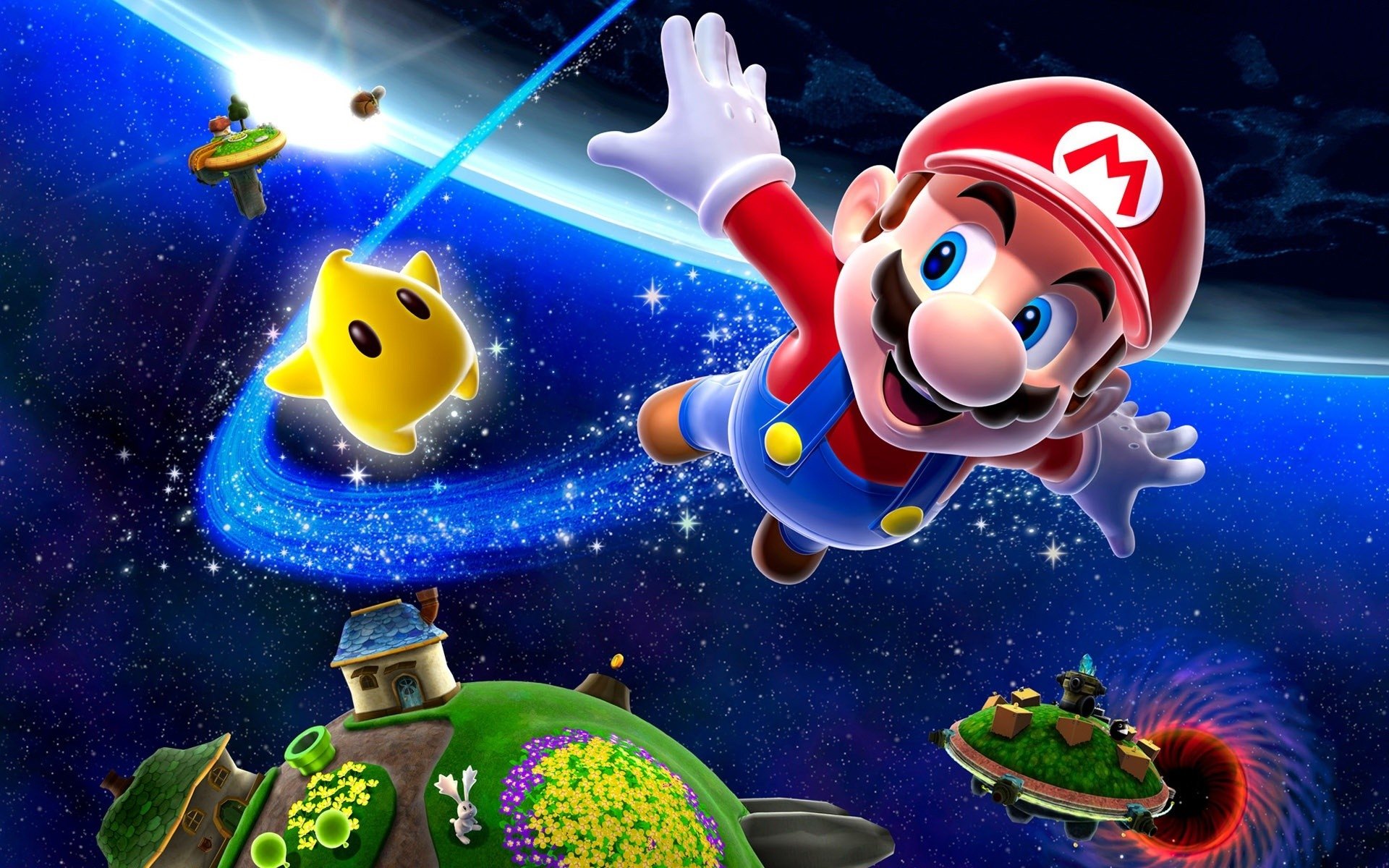
Super Mario Galaxy debuted on Wii in 2007 and its follow-up, Super Mario Galaxy 2, arrived in 2010.
Both titles were praised for platforming innovation, but the first Galaxy also introduced Rosalina and a narrative device—the Observatory’s storybook—that provided a concise, emotionally resonant backstory.
That inclusion is widely acknowledged as one of the clearest examples of Nintendo applying a focused, character-driven vignette to a Mario title without turning the game into a narrative-heavy experience.
Rewritten statement for clarity: Longtime observers note that Nintendo historically prioritized gameplay over dense plots in Mario titles, but select entries have added modest story elements that deepen character appeal without overshadowing the platforming.
Nintendo’s approach to re-releasing classic Mario games has also renewed attention to how story and lore are handled.
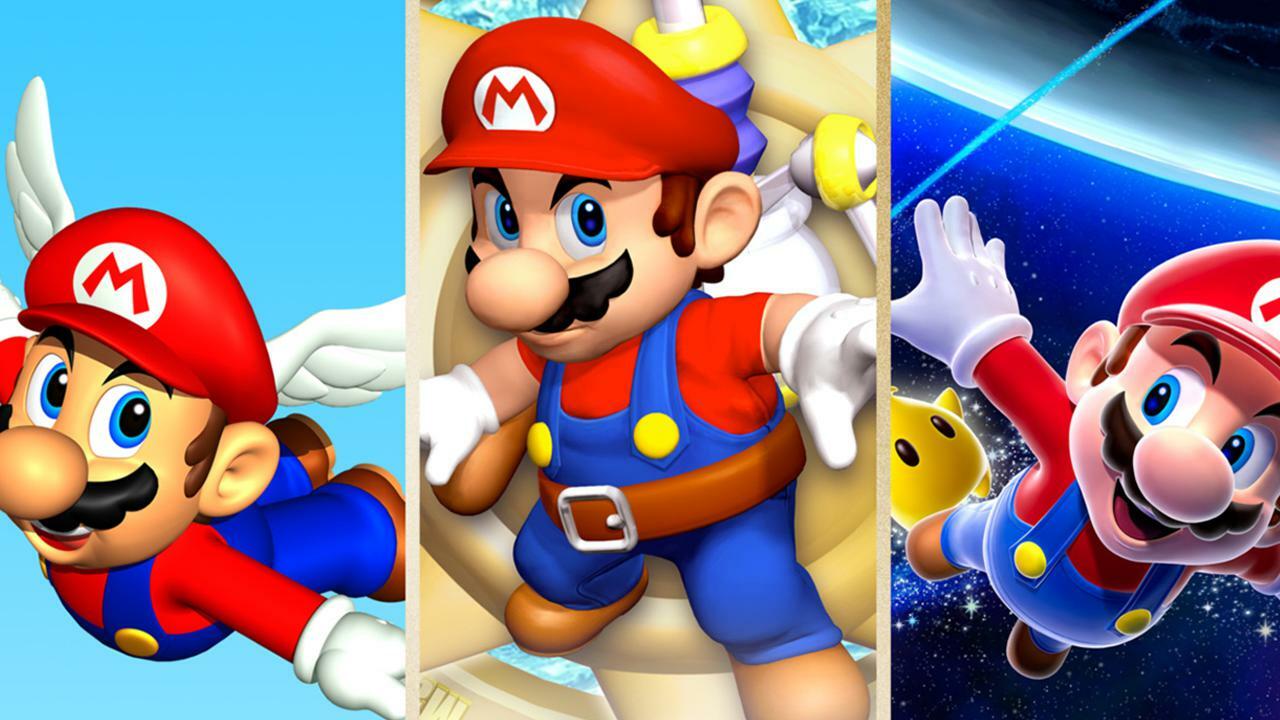
The Super Mario 3D All-Stars collection, released on Nintendo Switch on September 18, 2020, included the original Super Mario Galaxy, bringing Rosalina’s story to a contemporary audience and sparking renewed discussion about narrative choices across the franchise.
The tension between gameplay-first design and occasional lore inserts shows up across Mario spin-offs as well.
While many mainline 2D and 3D Mario titles keep plot minimal, certain spin-offs and character-focused projects introduce worldbuilding or character beats that encourage player discussion and community interpretation.
What this means for Nintendo’s future releases is still to be seen, but the track record is clear: Nintendo can and does use concise storytelling—Rosalina’s storybook being a prominent example—to add emotional resonance to otherwise gameplay-centric titles.
Whether future entries on Nintendo Switch or next-generation hardware expand that balance remains a common topic among fans and industry watchers.
Share your thoughts on how much story you want in the next Mario game in the comments below.
High-profile examples underscore that pattern: New Super Mario Bros.
Wii launched for Wii in 2009 as a return to classic, gameplay-forward platforming, while Paper Mario: Sticker Star, released for Nintendo 3DS in 2012, drew criticism from sections of the fanbase for its comparatively thin story.
Against that backdrop, Super Mario Galaxy stands out for bringing more overt emotional weight to a mainstream 3D Mario game.
Super Mario Galaxy debuted on Wii in 2007 and its follow-up, Super Mario Galaxy 2, arrived in 2010.
Both titles were praised for platforming innovation, but the first Galaxy also introduced Rosalina and a narrative device—the Observatory’s storybook—that provided a concise, emotionally resonant backstory.
That inclusion is widely acknowledged as one of the clearest examples of Nintendo applying a focused, character-driven vignette to a Mario title without turning the game into a narrative-heavy experience.
Rewritten statement for clarity: Longtime observers note that Nintendo historically prioritized gameplay over dense plots in Mario titles, but select entries have added modest story elements that deepen character appeal without overshadowing the platforming.
Nintendo’s approach to re-releasing classic Mario games has also renewed attention to how story and lore are handled.
The Super Mario 3D All-Stars collection, released on Nintendo Switch on September 18, 2020, included the original Super Mario Galaxy, bringing Rosalina’s story to a contemporary audience and sparking renewed discussion about narrative choices across the franchise.
The tension between gameplay-first design and occasional lore inserts shows up across Mario spin-offs as well.
While many mainline 2D and 3D Mario titles keep plot minimal, certain spin-offs and character-focused projects introduce worldbuilding or character beats that encourage player discussion and community interpretation.
What this means for Nintendo’s future releases is still to be seen, but the track record is clear: Nintendo can and does use concise storytelling—Rosalina’s storybook being a prominent example—to add emotional resonance to otherwise gameplay-centric titles.
Whether future entries on Nintendo Switch or next-generation hardware expand that balance remains a common topic among fans and industry watchers.
Share your thoughts on how much story you want in the next Mario game in the comments below.