Background and context
Nintendo has asked a federal court to dismiss a putative class-action lawsuit that seeks refunds for customers who purchased Nintendo hardware and accessories after the company raised prices in response to tariffs.
The dispute centers on price increases implemented in August 2025 for the original Nintendo Switch and a range of Switch 2 peripherals, and on subsequent legal rulings that found the tariffs to be unlawful.
Two plaintiffs, Gregory Hoffert and Prashant Sharan, argue that any government refunds owed to Nintendo should be passed on to customers who paid higher prices.
What Nintendo is arguing in court
In its motion to dismiss, Nintendo told the court that consumers “received exactly what they bargained and paid for” when they completed purchases at the higher prices.
The company further framed the plaintiffs’ core complaint as a contention that it is unfair for Nintendo not to retroactively change prices for completed sales after the outcome of the tariff litigation.
Nintendo’s filing said this is not how ordinary commercial transactions are handled, and it urged the court to reject the complaint on that basis.
Legal and commercial context
According to public reporting, Nintendo pursued legal action against the U.S. government seeking refunds after the tariffs were found unlawful.
The plaintiffs in the consumer suit contend those refunds should benefit end customers who paid elevated prices during the tariff period.
Nintendo’s dismissal request asks the court to rule that completed retail transactions do not create a legal obligation to return price differences to buyers when external cost drivers—such as tariffs—are later invalidated.
Why this matters for Nintendo customers and the market
The outcome of this motion could set a precedent about whether consumers can recover price differentials when companies pass temporary, legally contested costs on to retail prices.
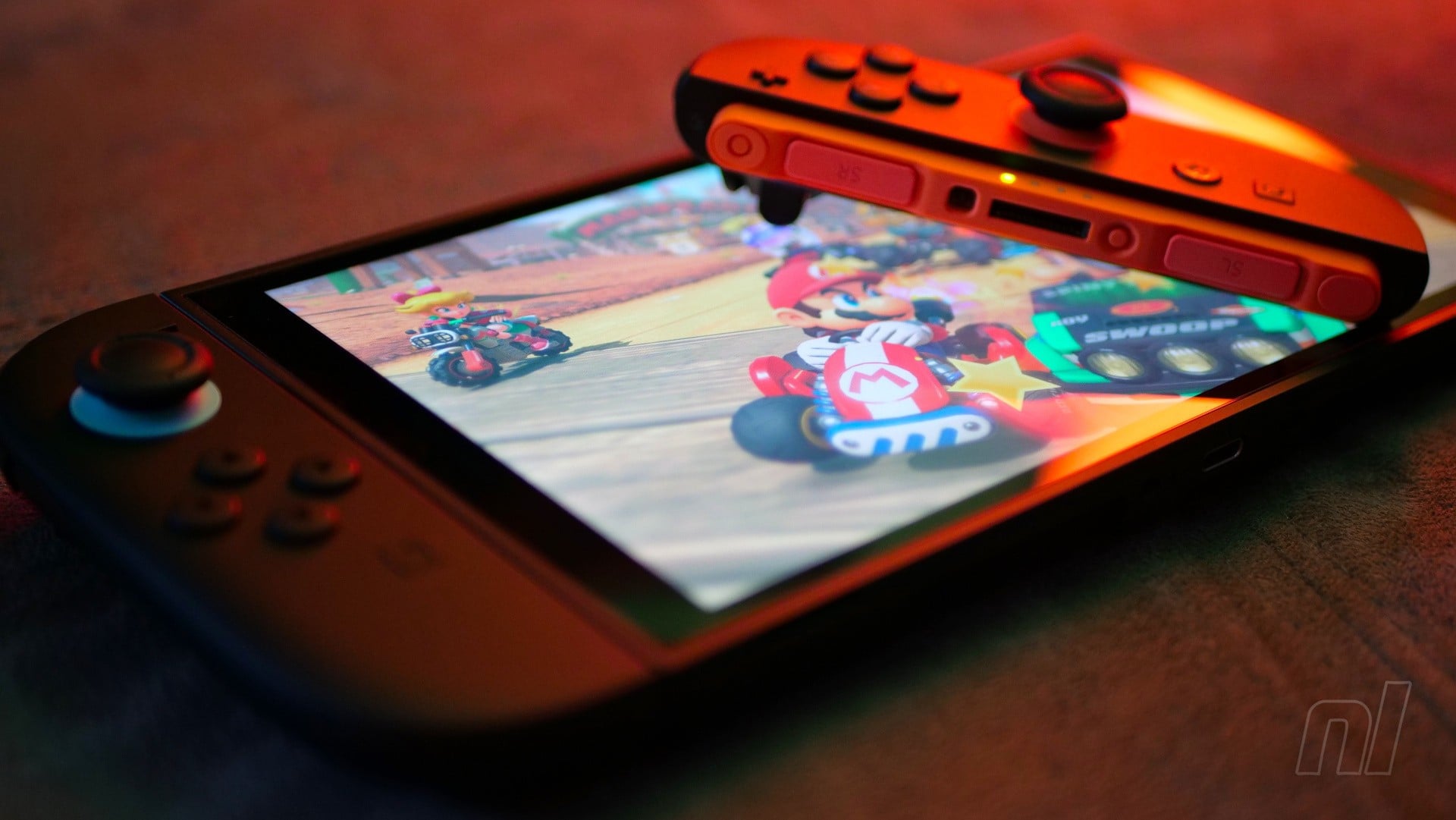
The Nintendo Switch platform, launched March 3, 2017, remains a major product in Nintendo’s hardware lineup and an important revenue driver across retail, digital storefronts such as the Nintendo eShop, and promotional channels like Nintendo Direct.
How courts treat these claims may affect how hardware manufacturers and retailers price products and handle post hoc adjustments following regulatory or tariff reversals.
Next steps
The court will consider Nintendo’s motion to dismiss before deciding whether the plaintiffs’ claims can proceed.
Until a judicial decision is issued, the legal arguments presented by both sides will define the contours of this dispute and the potential remedies plaintiffs seek.
Nintendo has asked a federal court to dismiss a putative class-action lawsuit that seeks refunds for customers who purchased Nintendo hardware and accessories after the company raised prices in response to tariffs.
The dispute centers on price increases implemented in August 2025 for the original Nintendo Switch and a range of Switch 2 peripherals, and on subsequent legal rulings that found the tariffs to be unlawful.
Two plaintiffs, Gregory Hoffert and Prashant Sharan, argue that any government refunds owed to Nintendo should be passed on to customers who paid higher prices.
What Nintendo is arguing in court
In its motion to dismiss, Nintendo told the court that consumers “received exactly what they bargained and paid for” when they completed purchases at the higher prices.
The company further framed the plaintiffs’ core complaint as a contention that it is unfair for Nintendo not to retroactively change prices for completed sales after the outcome of the tariff litigation.
Nintendo’s filing said this is not how ordinary commercial transactions are handled, and it urged the court to reject the complaint on that basis.
Legal and commercial context
According to public reporting, Nintendo pursued legal action against the U.S. government seeking refunds after the tariffs were found unlawful.
The plaintiffs in the consumer suit contend those refunds should benefit end customers who paid elevated prices during the tariff period.
Nintendo’s dismissal request asks the court to rule that completed retail transactions do not create a legal obligation to return price differences to buyers when external cost drivers—such as tariffs—are later invalidated.
Why this matters for Nintendo customers and the market
The outcome of this motion could set a precedent about whether consumers can recover price differentials when companies pass temporary, legally contested costs on to retail prices.
The Nintendo Switch platform, launched March 3, 2017, remains a major product in Nintendo’s hardware lineup and an important revenue driver across retail, digital storefronts such as the Nintendo eShop, and promotional channels like Nintendo Direct.
How courts treat these claims may affect how hardware manufacturers and retailers price products and handle post hoc adjustments following regulatory or tariff reversals.
Next steps
The court will consider Nintendo’s motion to dismiss before deciding whether the plaintiffs’ claims can proceed.
Until a judicial decision is issued, the legal arguments presented by both sides will define the contours of this dispute and the potential remedies plaintiffs seek.