Nintendo of America Sues U.S. Government Over 2025 Tariffs: Seeks Refunds Amidst Supreme Court Ruling
Nintendo of America has initiated a significant legal challenge against the U.S. government, targeting tariffs imposed in 2025 that affected imports of products such as the Nintendo Switch and its accessories. The lawsuit, filed against several government entities including the Department of Treasury, Department of Homeland Security, and US Customs & Border Protection, follows a Supreme Court decision deeming the tariffs unlawful.
Background: Tariffs’ Impact on Nintendo Switch and Hardware Pricing
The tariffs, implemented via executive order by then-President Donald Trump under the International Emergency Economic Powers Act (IEEPA), had a sweeping effect on U.S. imports from most countries. Nintendo, along with major companies like FedEx, Costco, and Revlon, claims that these measures have resulted in substantial and irrecoverable financial impact. Nintendo specifically pointed to the “initiation and administration of unlawful trade measures resulting in the collection of more than $200 billion in tariffs on imports,” highlighting the severity of the trade restrictions.
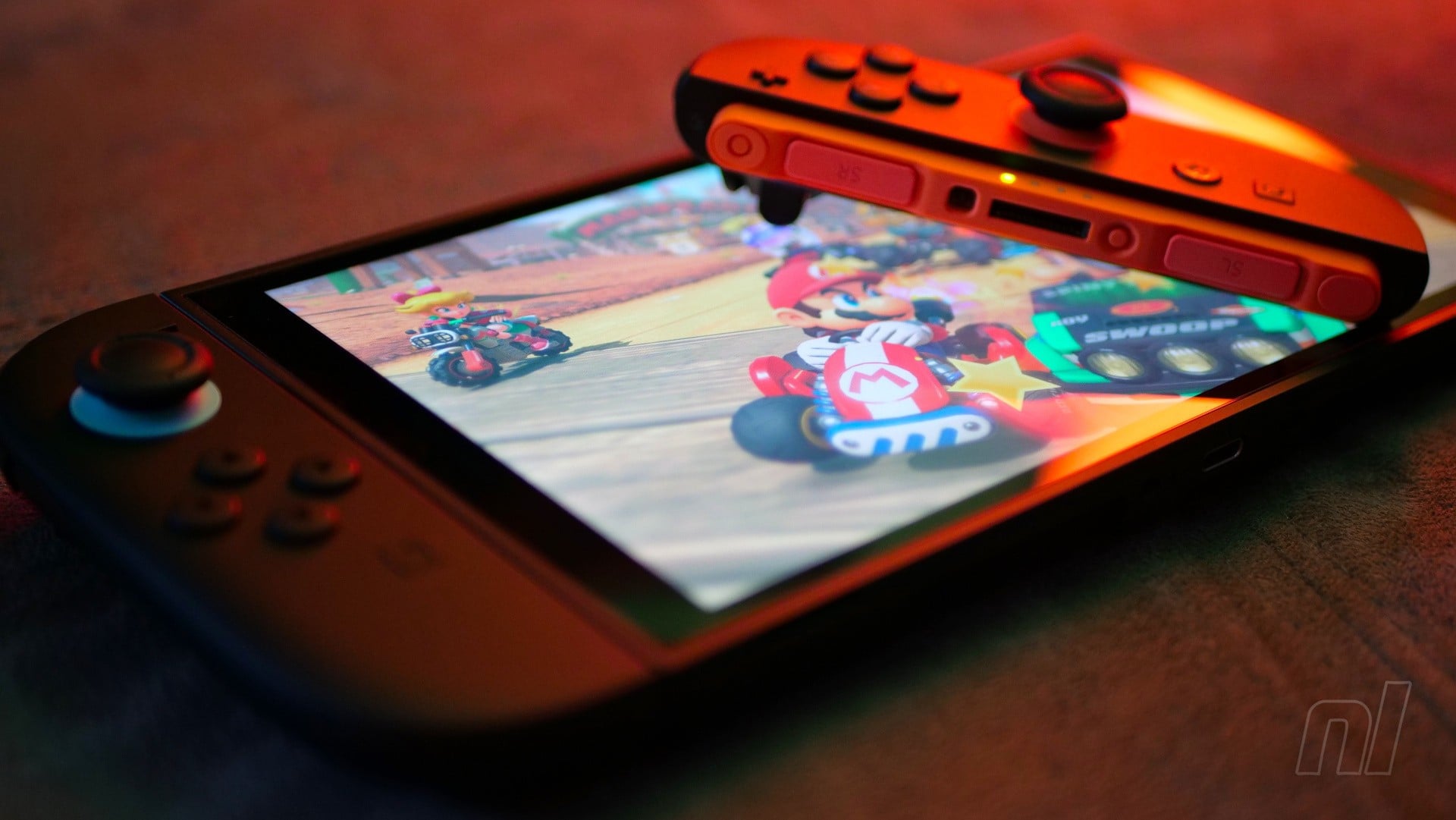
The Japanese gaming giant revealed that these tariffs forced delays in the pre-order process of the highly anticipated Switch 2 for customers in the United States and Canada. Additionally, it led Nintendo to raise the prices across its popular hardware lineup: the Nintendo Switch OLED model saw a $50 price increase, the standard Switch went up by $40, and the Switch Lite increased by $30. These price adjustments were a direct response to increased import costs, which affected both retailers and consumers, as well as Nintendo’s bottom line.
In June 2024, the U.S. Supreme Court ruled that the tariffs enacted under IEEPA were illegal, clarifying that the Act is only intended for true national emergencies. Following this decision, a federal judge in New York ruled that companies impacted by these tariffs could be eligible for refunds. In response, Nintendo’s formal complaint asks that “all tariffs collected under the IEEPA Duties must be refunded with interest.”
Journalistic Statement from Nintendo
Nintendo has confirmed the filing of its complaint, emphasizing the significant harm incurred because of the unlawful trade measures. In a statement to Aftermath, the company acknowledged the legal action but mentioned, "We have nothing further to share on this topic at the moment."
Wider Industry Impact and Next Steps
Nintendo’s legal action joins a wave of lawsuits from other corporations affected by the 2025 tariffs, signaling industry-wide repercussions for technology and entertainment importers. The recent Supreme Court and federal court decisions represent a major shift in the regulatory landscape, with potential financial restitution for hardware manufacturers.
For Nintendo, the lawsuit highlights the direct link between government policy, hardware pricing, and product availability on key platforms such as the Nintendo Switch and its successors. As the case progresses, industry stakeholders and consumers alike will be watching for outcomes that could redefine both international trade practices and the cost of gaming hardware in the United States.
Nintendo Sues U.S. Government Over 2025 Tariffs, Seeks Refunds for Switch Import Costs
Nintendo News Hub
Related Topics
Explore more articles about these topics:
Source: NintendoSwitchLife