
Nintendo has officially announced the acquisition of Bandai Namco Studios Singapore, a significant move aimed at expanding the company’s in-house development talent.
The announcement, made through an official press release, details that Nintendo has entered into a share transfer agreement with Bandai Namco Holdings to acquire the Singapore-based development subsidiary.
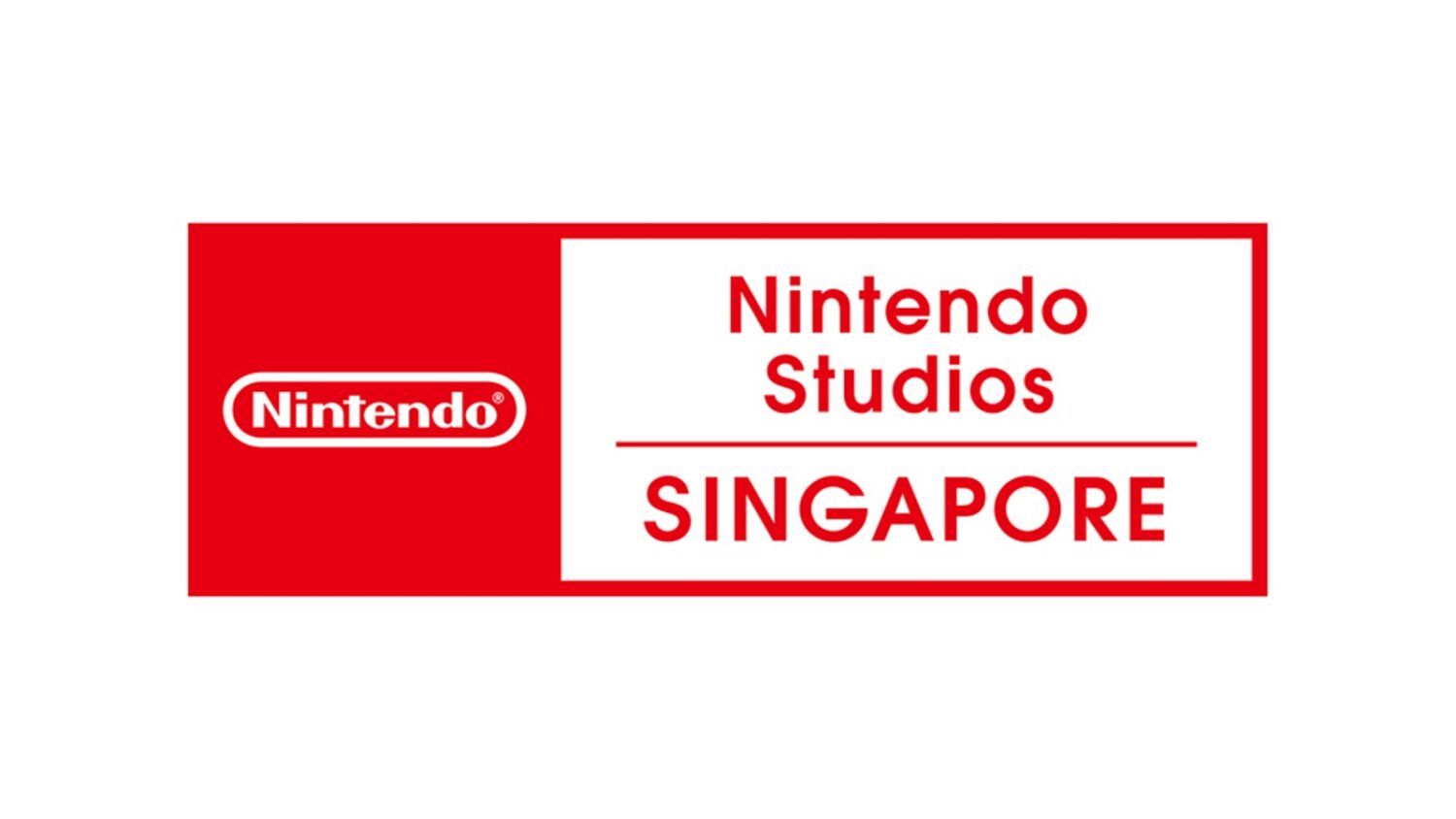
Once the transaction is finalized, Bandai Namco Studios Singapore will be rebranded as Nintendo Studios Singapore and will continue its operations under the leadership of current CEO Makoto Ishii.
Bandai Namco Studios Singapore, established in 2013, has built a reputation for its expertise in high-quality in-game art assets and technical support for large-scale projects.
The studio has previously collaborated with Nintendo on major titles, most notably contributing to the acclaimed Splatoon series on the Nintendo Switch platform.
In addition to its notable role in art production, the studio garnered industry attention for its initial involvement with the development of Metroid Prime 4 before the project was ultimately reassigned to Retro Studios, another key partner in Nintendo’s first-party ecosystem.
In their official statement, Nintendo representatives highlighted that the acquisition will "further enhance our development capabilities and facilitate even closer collaboration on future Nintendo projects." This strategic move underscores Nintendo’s commitment to delivering quality first-party software for the Nintendo Switch and future hardware, as the company continues to invest in robust development pipelines.
Nintendo Studios Singapore is expected to maintain its existing leadership structure, with Makoto Ishii at the helm as CEO.
The transition of the studio into Nintendo’s family of internal development teams aims to streamline talent resources and bolster the company’s creative output.
The acquisition follows a growing trend of major gaming companies investing in studio expansions and consolidations, ensuring access to skilled teams and safeguarding development capacity for high-profile IPs.
For Nintendo, this integration not only reinforces their roster of in-house studios but also positions the company strongly for tackling complex, large-scale projects and upholding the quality players expect from Nintendo Direct presentations and eShop releases.
This move underscores the importance of Southeast Asia as a rising hub for game development talent, as industry leaders recognize the contributions of regional studios like Bandai Namco Studios Singapore.
As the transition progresses, Nintendo fans and industry watchers alike can anticipate further updates regarding the studio’s future projects and impact on Nintendo Switch’s game lineup.
Stay tuned to official Nintendo news channels and reputable gaming outlets for the latest developments on this acquisition and forthcoming software announcements.
The announcement, made through an official press release, details that Nintendo has entered into a share transfer agreement with Bandai Namco Holdings to acquire the Singapore-based development subsidiary.
Once the transaction is finalized, Bandai Namco Studios Singapore will be rebranded as Nintendo Studios Singapore and will continue its operations under the leadership of current CEO Makoto Ishii.
Bandai Namco Studios Singapore, established in 2013, has built a reputation for its expertise in high-quality in-game art assets and technical support for large-scale projects.
The studio has previously collaborated with Nintendo on major titles, most notably contributing to the acclaimed Splatoon series on the Nintendo Switch platform.
In addition to its notable role in art production, the studio garnered industry attention for its initial involvement with the development of Metroid Prime 4 before the project was ultimately reassigned to Retro Studios, another key partner in Nintendo’s first-party ecosystem.
In their official statement, Nintendo representatives highlighted that the acquisition will "further enhance our development capabilities and facilitate even closer collaboration on future Nintendo projects." This strategic move underscores Nintendo’s commitment to delivering quality first-party software for the Nintendo Switch and future hardware, as the company continues to invest in robust development pipelines.
Nintendo Studios Singapore is expected to maintain its existing leadership structure, with Makoto Ishii at the helm as CEO.
The transition of the studio into Nintendo’s family of internal development teams aims to streamline talent resources and bolster the company’s creative output.
The acquisition follows a growing trend of major gaming companies investing in studio expansions and consolidations, ensuring access to skilled teams and safeguarding development capacity for high-profile IPs.
For Nintendo, this integration not only reinforces their roster of in-house studios but also positions the company strongly for tackling complex, large-scale projects and upholding the quality players expect from Nintendo Direct presentations and eShop releases.
This move underscores the importance of Southeast Asia as a rising hub for game development talent, as industry leaders recognize the contributions of regional studios like Bandai Namco Studios Singapore.
As the transition progresses, Nintendo fans and industry watchers alike can anticipate further updates regarding the studio’s future projects and impact on Nintendo Switch’s game lineup.
Stay tuned to official Nintendo news channels and reputable gaming outlets for the latest developments on this acquisition and forthcoming software announcements.