Atari 800XL trademark filed: background and industry context
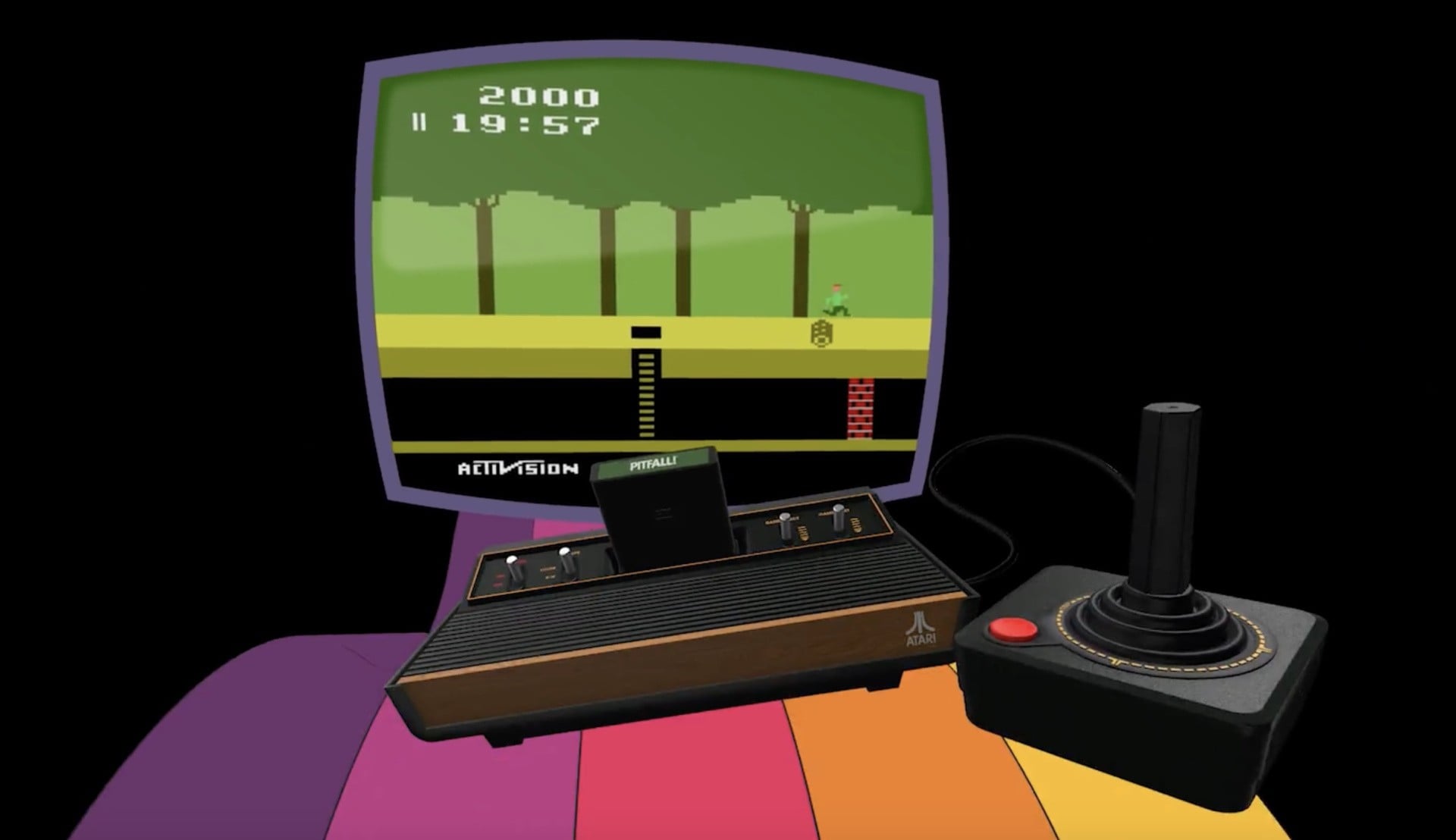
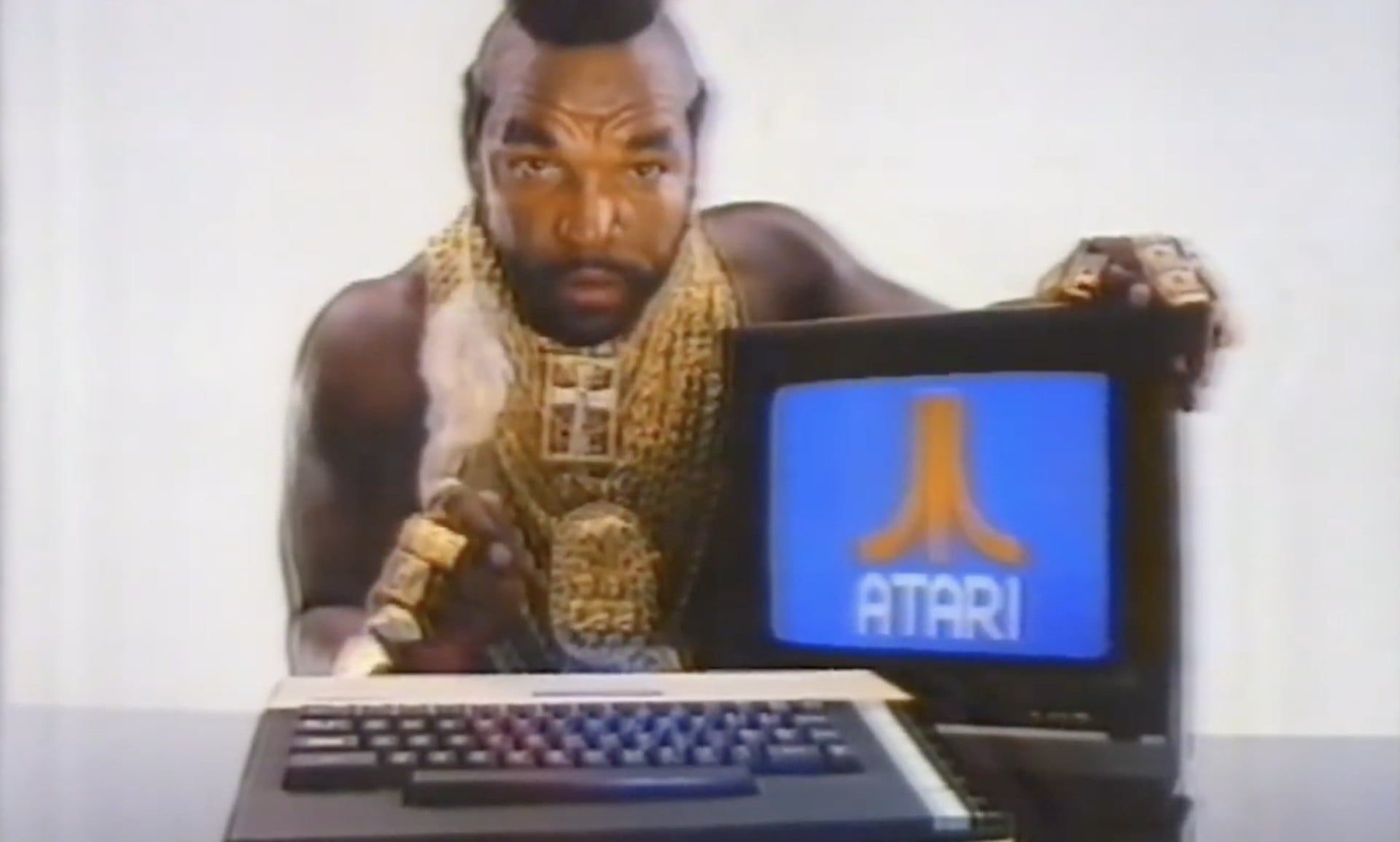
Atari has filed a trademark application for the 800XL that lists the mark in connection with "home video game machines." The 800XL is part of Atari's 8-bit computer line and originally launched in 1983; it followed earlier models in the Atari 8-bit family, including the 400, 800 and 1200XL.
In recent years, the modern Atari brand has made a concerted push to keep its legacy visible through software and hardware revivals produced in partnership with third parties such as Retro Games Ltd and My Arcade.
What the 800XL was and why it matters
The Atari 800XL was introduced as a consumer-facing model in Atari's 8-bit computer range and is historically notable as one of Atari's mass-market home computers of the early 1980s.
The family of 8-bit machines shared core architecture and a software library that has continued to attract interest from collectors and retro gaming audiences.
The original 800XL launch year, 1983, places it in the period when home computers were rapidly expanding as gaming and productivity platforms.
Paraphrasing the site's reaction
In a recent write-up, journalist Damien McFerran captured the enthusiasm around the filing with a colorful line; in journalistic terms, McFerran suggested that fans and observers should be excited by Atari's renewed focus on its heritage and the prospect of further hardware or curated releases.
Atari's recent hardware activity and third-party partners
Modern Atari has collaborated with hardware partners to produce retro-themed devices and micro-consoles.
Notable mentions in coverage of Atari's revival strategy include units like the GameStation Go and the Atari 400 Mini, and the company has worked with Retro Games Ltd and My Arcade on licensed hardware projects.
These efforts form part of a broader industry trend where legacy IP is repackaged for contemporary audiences and platforms.
What to watch for next
The trademark filing for the 800XL is a concrete legal step; trademark applications do not in themselves confirm a product launch, but they are commonly used to protect branding ahead of commercial activity.
For industry observers and publishers, verification of product announcements and official specifications from Atari or its licensees will be the next reliable signals.
Retro releases and compilations have in the past reached modern storefronts including the Nintendo Switch eShop, and any future Atari-branded hardware or licensed collections would likely be positioned for similar retail channels.
Atari has filed a trademark application for the 800XL that lists the mark in connection with "home video game machines." The 800XL is part of Atari's 8-bit computer line and originally launched in 1983; it followed earlier models in the Atari 8-bit family, including the 400, 800 and 1200XL.
In recent years, the modern Atari brand has made a concerted push to keep its legacy visible through software and hardware revivals produced in partnership with third parties such as Retro Games Ltd and My Arcade.
What the 800XL was and why it matters
The Atari 800XL was introduced as a consumer-facing model in Atari's 8-bit computer range and is historically notable as one of Atari's mass-market home computers of the early 1980s.
The family of 8-bit machines shared core architecture and a software library that has continued to attract interest from collectors and retro gaming audiences.
The original 800XL launch year, 1983, places it in the period when home computers were rapidly expanding as gaming and productivity platforms.
Paraphrasing the site's reaction
In a recent write-up, journalist Damien McFerran captured the enthusiasm around the filing with a colorful line; in journalistic terms, McFerran suggested that fans and observers should be excited by Atari's renewed focus on its heritage and the prospect of further hardware or curated releases.
Atari's recent hardware activity and third-party partners
Modern Atari has collaborated with hardware partners to produce retro-themed devices and micro-consoles.
Notable mentions in coverage of Atari's revival strategy include units like the GameStation Go and the Atari 400 Mini, and the company has worked with Retro Games Ltd and My Arcade on licensed hardware projects.
These efforts form part of a broader industry trend where legacy IP is repackaged for contemporary audiences and platforms.
What to watch for next
The trademark filing for the 800XL is a concrete legal step; trademark applications do not in themselves confirm a product launch, but they are commonly used to protect branding ahead of commercial activity.
For industry observers and publishers, verification of product announcements and official specifications from Atari or its licensees will be the next reliable signals.
Retro releases and compilations have in the past reached modern storefronts including the Nintendo Switch eShop, and any future Atari-branded hardware or licensed collections would likely be positioned for similar retail channels.