A new Circana survey reported by GamesIndustry.biz finds that price has become the leading reason users give for cancelling Nintendo Switch Online subscriptions.
According to the research, the share of cancellations attributed to cost rose to 50 percent from about 40 percent in an earlier measurement.
Background and context
Nintendo launched the Switch console on March 3, 2017, and introduced Nintendo Switch Online as a paid service on September 18, 2018.
The subscription provides online multiplayer and access to retro game libraries; the paid Expansion Pack tier was added in October 2021 to broaden those legacy offerings.
The base subscription and Expansion Pack are available for purchase through the Nintendo eShop and via Nintendo account plans.
What the services include and pricing
Nintendo Switch Online’s standard tier includes online play, access to classic NES and SNES game libraries, cloud save support, and voice-chat functionality via the official smartphone app.
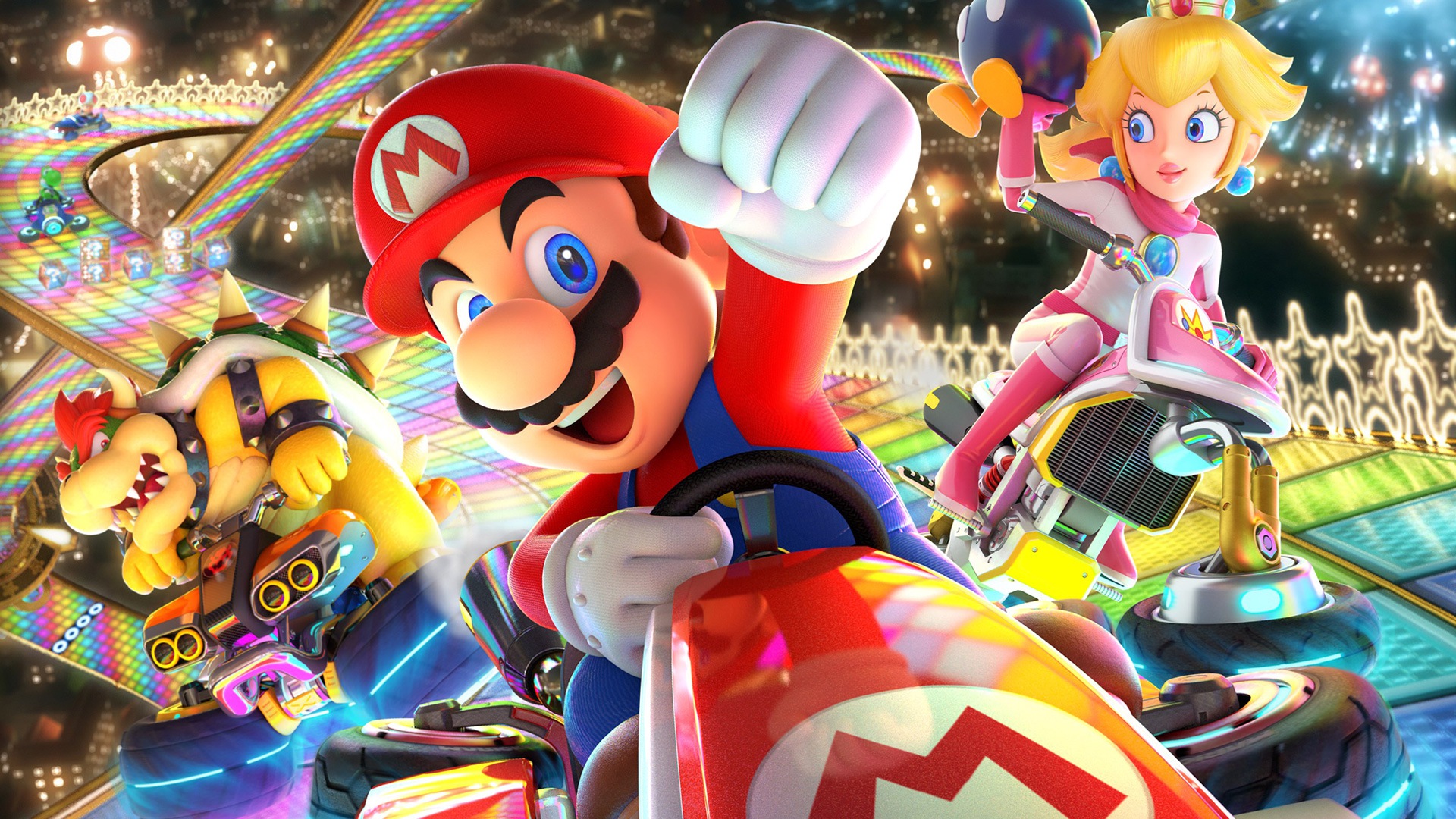
The Nintendo Switch Online + Expansion Pack adds additional retro libraries and licensed content, including SEGA Genesis titles, Game Boy Advance games, Nintendo 64 and Nintendo GameCube classics, and Virtual Boy releases, along with select paid DLC offerings such as the Mario Kart 8 Deluxe Booster Course Pass.
Current list prices are $19.99 per year for the standard individual membership and $49.99 per year for the Expansion Pack individual membership.
By comparison, competing platform services offer monthly entry points—PlayStation Plus has a monthly tier that starts at $9.99—so annual costs can be higher on other consoles depending on the plan.
Rewritten poll finding
Circana’s data, as summarized by GamesIndustry.biz, shows that half of recent cancellations cited pricing as the primary reason.
In journalistic terms: Circana reports that price considerations now account for 50 percent of Nintendo Switch Online cancellations, up from roughly 40 percent in the survey’s previous snapshot.
What this means
The poll specifically asked respondents who had canceled their Nintendo Switch Online subscription why they did so; it does not claim a broader trend in overall cancellation volumes.
Still, the finding highlights cost sensitivity among subscribers amid broader economic pressures.
For developers, platform holders and industry observers, the data underscore that service value perception — not just absolute price — remains central to subscription retention.
According to the research, the share of cancellations attributed to cost rose to 50 percent from about 40 percent in an earlier measurement.
Background and context
Nintendo launched the Switch console on March 3, 2017, and introduced Nintendo Switch Online as a paid service on September 18, 2018.
The subscription provides online multiplayer and access to retro game libraries; the paid Expansion Pack tier was added in October 2021 to broaden those legacy offerings.
The base subscription and Expansion Pack are available for purchase through the Nintendo eShop and via Nintendo account plans.
What the services include and pricing
Nintendo Switch Online’s standard tier includes online play, access to classic NES and SNES game libraries, cloud save support, and voice-chat functionality via the official smartphone app.
The Nintendo Switch Online + Expansion Pack adds additional retro libraries and licensed content, including SEGA Genesis titles, Game Boy Advance games, Nintendo 64 and Nintendo GameCube classics, and Virtual Boy releases, along with select paid DLC offerings such as the Mario Kart 8 Deluxe Booster Course Pass.
Current list prices are $19.99 per year for the standard individual membership and $49.99 per year for the Expansion Pack individual membership.
By comparison, competing platform services offer monthly entry points—PlayStation Plus has a monthly tier that starts at $9.99—so annual costs can be higher on other consoles depending on the plan.
Rewritten poll finding
Circana’s data, as summarized by GamesIndustry.biz, shows that half of recent cancellations cited pricing as the primary reason.
In journalistic terms: Circana reports that price considerations now account for 50 percent of Nintendo Switch Online cancellations, up from roughly 40 percent in the survey’s previous snapshot.
What this means
The poll specifically asked respondents who had canceled their Nintendo Switch Online subscription why they did so; it does not claim a broader trend in overall cancellation volumes.
Still, the finding highlights cost sensitivity among subscribers amid broader economic pressures.
For developers, platform holders and industry observers, the data underscore that service value perception — not just absolute price — remains central to subscription retention.