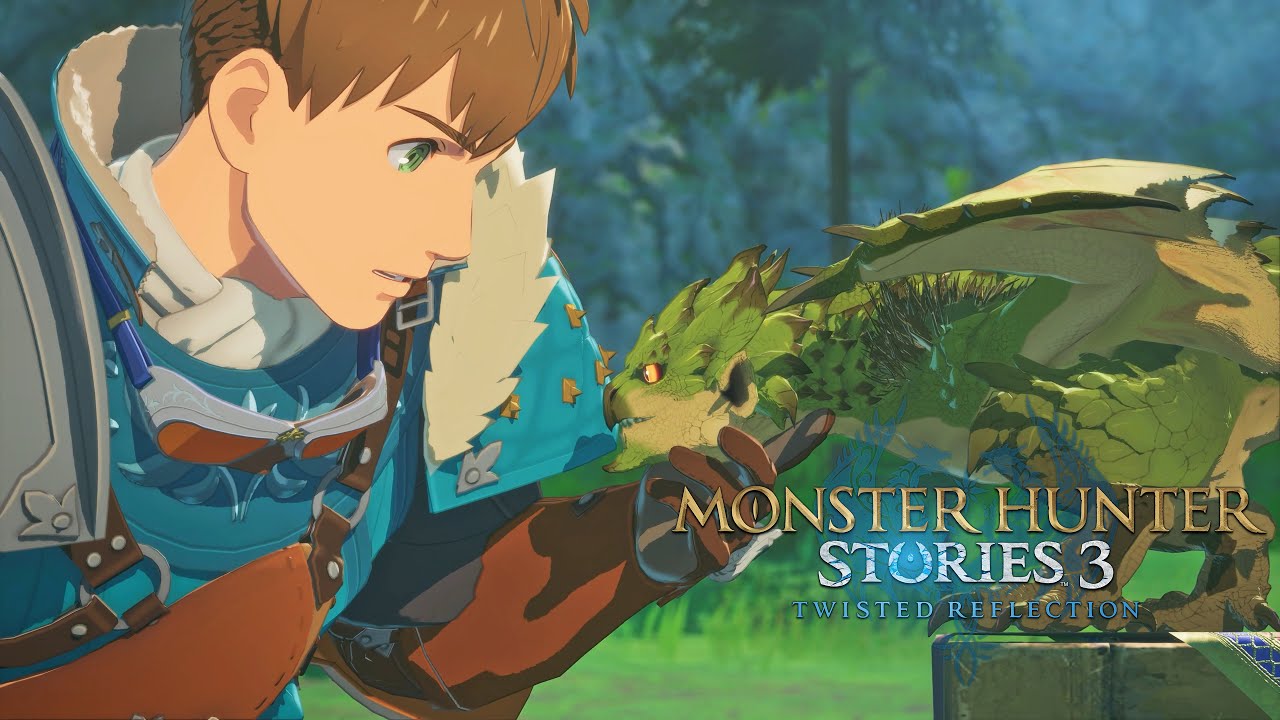

Capcom has officially debuted a new trailer for Monster Hunter Stories 3: Twisted Reflection, providing an in-depth look at significant gameplay features coming to the highly anticipated RPG.
Announced during the Monster Hunter Showcase for December 2025, the latest footage highlights innovative mechanics such as Habitat Restoration and addresses the ongoing challenges facing the in-game ecosystem.
With Monster Hunter Stories 3: Twisted Reflection set for release on March 13, 2026, for the Nintendo Switch 2, Capcom continues to build excitement with these sneak peeks at gameplay evolution.
A New Era of Ecosystem Management in Monster Hunter Stories 3
Monster Hunter Stories 3: Twisted Reflection tasks players with stepping into the role of a Ranger captain, responsible for protecting and restoring the natural environment.
Among the standout features revealed is the "Habitat Restoration" system.
This new mechanic allows players to release hatched monsters (Monsties) back into the wild, directly contributing to the repopulation of endangered species and balancing regional ecosystems.
The inclusion of this feature underscores Capcom’s growing focus on narrative depth and responsive game worlds, encouraging players to form dynamic relationships with their Monsties while also impacting the world’s health.
As described by Capcom in the showcase, the Habitat Restoration process is vital not only for endangered species.
Players can release a variety of monsters to restore local populations, and as these populations recover, their eggs become increasingly accessible for acquisition and hatching.
Areas where monster populations revive also impact gameplay, as the game tracks "Ecosystem Rank"—a metric influenced by the Rangers’ habitat efforts.
Higher Ecosystem Ranks yield not only easier access to monster eggs but the possibility of hatching Monsties with specialized genes and abilities.
Managing Invasive Threats and Ecosystem Balance
Monster Hunter Stories 3: Twisted Reflection also introduces new twists on familiar series mechanics, putting a spotlight on how Rangers address invasive monsters.
Instead of traditional encounters that end in slaying, Rangers must orchestrate retreat battles, strategically driving invasive species back to their dens to secure rare, endangered eggs.
These invasive species are described as exceptionally powerful and require creative tactics beyond standard confrontations.
Sneaking into the den during vulnerable moments, like when the monster sleeps, allows players to safely retrieve precious eggs without direct confrontation.
Dual-Element Monsters and Gameplay Progression
Another highlight from the showcase is the concept of "Dual-Element" monsters.
By raising the Ecosystem Rank and interacting with regional elemental influences, players may encounter monsters bestowed with secondary elements, such as a thunder monster exhibiting fire abilities and altered appearances.
This model encourages deeper engagement with the game’s environmental systems, further establishing Monster Hunter Stories 3: Twisted Reflection as an evolution in RPG world-building and player-driven progression on the Nintendo Switch 2.
Capcom’s Monster Hunter Stories series, known for blending creature-raising role-playing elements with vibrant storytelling, continues to set new milestones with each iteration.
With the Nintendo Switch 2 release scheduled for March 13, 2026, Monster Hunter Stories 3: Twisted Reflection stands as a significant addition to the platform’s upcoming lineup, promising fans new layers of strategic depth and environmental immersion.
Announced during the Monster Hunter Showcase for December 2025, the latest footage highlights innovative mechanics such as Habitat Restoration and addresses the ongoing challenges facing the in-game ecosystem.
With Monster Hunter Stories 3: Twisted Reflection set for release on March 13, 2026, for the Nintendo Switch 2, Capcom continues to build excitement with these sneak peeks at gameplay evolution.
A New Era of Ecosystem Management in Monster Hunter Stories 3
Monster Hunter Stories 3: Twisted Reflection tasks players with stepping into the role of a Ranger captain, responsible for protecting and restoring the natural environment.
Among the standout features revealed is the "Habitat Restoration" system.
This new mechanic allows players to release hatched monsters (Monsties) back into the wild, directly contributing to the repopulation of endangered species and balancing regional ecosystems.
The inclusion of this feature underscores Capcom’s growing focus on narrative depth and responsive game worlds, encouraging players to form dynamic relationships with their Monsties while also impacting the world’s health.
As described by Capcom in the showcase, the Habitat Restoration process is vital not only for endangered species.
Players can release a variety of monsters to restore local populations, and as these populations recover, their eggs become increasingly accessible for acquisition and hatching.
Areas where monster populations revive also impact gameplay, as the game tracks "Ecosystem Rank"—a metric influenced by the Rangers’ habitat efforts.
Higher Ecosystem Ranks yield not only easier access to monster eggs but the possibility of hatching Monsties with specialized genes and abilities.
Managing Invasive Threats and Ecosystem Balance
Monster Hunter Stories 3: Twisted Reflection also introduces new twists on familiar series mechanics, putting a spotlight on how Rangers address invasive monsters.
Instead of traditional encounters that end in slaying, Rangers must orchestrate retreat battles, strategically driving invasive species back to their dens to secure rare, endangered eggs.
These invasive species are described as exceptionally powerful and require creative tactics beyond standard confrontations.
Sneaking into the den during vulnerable moments, like when the monster sleeps, allows players to safely retrieve precious eggs without direct confrontation.
Dual-Element Monsters and Gameplay Progression
Another highlight from the showcase is the concept of "Dual-Element" monsters.
By raising the Ecosystem Rank and interacting with regional elemental influences, players may encounter monsters bestowed with secondary elements, such as a thunder monster exhibiting fire abilities and altered appearances.
This model encourages deeper engagement with the game’s environmental systems, further establishing Monster Hunter Stories 3: Twisted Reflection as an evolution in RPG world-building and player-driven progression on the Nintendo Switch 2.
Capcom’s Monster Hunter Stories series, known for blending creature-raising role-playing elements with vibrant storytelling, continues to set new milestones with each iteration.
With the Nintendo Switch 2 release scheduled for March 13, 2026, Monster Hunter Stories 3: Twisted Reflection stands as a significant addition to the platform’s upcoming lineup, promising fans new layers of strategic depth and environmental immersion.