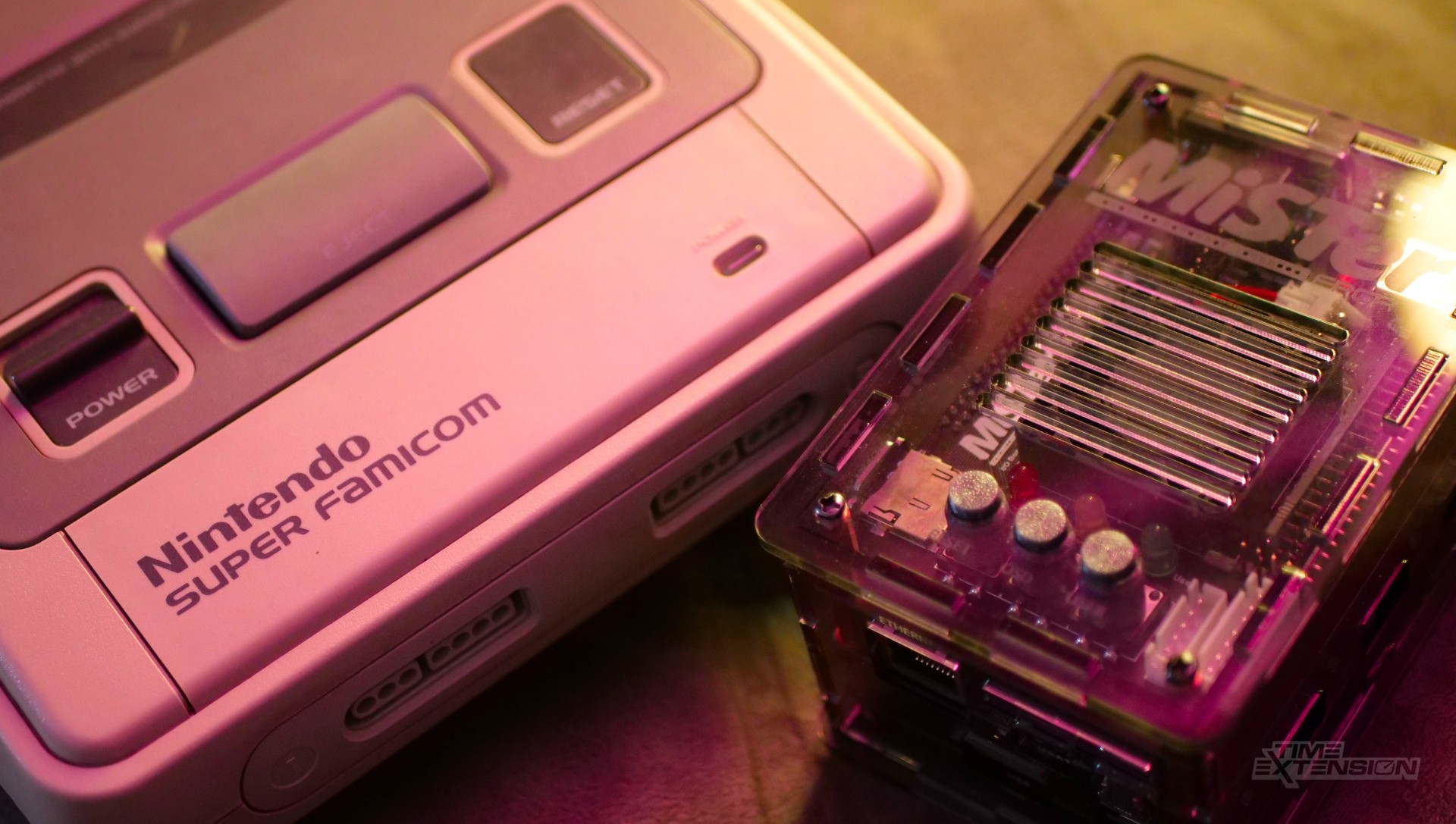
The SNES core for the MiSTer FPGA has been updated with save state support, a development reported by Time Extension on October 10, 2024.
The change comes from developer Paulb-nl and introduces functionality long common in software emulators but less common in FPGA cores.
Save states are a standard feature in PC and console software emulation, allowing instant save and load of an emulator's full memory and CPU state.
Implementing equivalent functionality on FPGA devices is technically more complex because FPGA cores simulate hardware behavior at the logic level rather than running software on a host CPU.
According to the report, Paulb-nl designed the SNES save-state solution to operate more like a hardware peripheral: it intercepts the SNES NMI (non-maskable interrupt) and executes code on the emulated SNES environment to store the state, a method comparable to how SD2SNES handles state-saving on real hardware.
In his own words, Paulb-nl said he had been focused on implementing save state functionality for the SNES core.
He described the approach as intentionally hardware-like, overriding the NMI and running SNES-side code to capture the machine state.
The new save state feature is not yet part of MiSTer's stable distribution.
Users who want to test it must load a specific SNES core bundle and then import a savestates.bin file using the "Load SS bin" option before launching a game; this import needs to be performed only once.
Additionally, the update requires MiSTer’s unstable Main branch at present—loading the bin file will not work on older or stable releases.
Time Extension noted recently that the absence of save states on MiSTer has been a major reason some users continue to rely on software emulation.
This implementation therefore represents an important step for users seeking FPGA-level accuracy without losing convenience features like savestates.
For installation details and the latest builds, consult the MiSTer community channels and official project repositories, where maintainers and developers post cores, branch instructions, and troubleshooting guidance.
The change comes from developer Paulb-nl and introduces functionality long common in software emulators but less common in FPGA cores.
Save states are a standard feature in PC and console software emulation, allowing instant save and load of an emulator's full memory and CPU state.
Implementing equivalent functionality on FPGA devices is technically more complex because FPGA cores simulate hardware behavior at the logic level rather than running software on a host CPU.
According to the report, Paulb-nl designed the SNES save-state solution to operate more like a hardware peripheral: it intercepts the SNES NMI (non-maskable interrupt) and executes code on the emulated SNES environment to store the state, a method comparable to how SD2SNES handles state-saving on real hardware.
In his own words, Paulb-nl said he had been focused on implementing save state functionality for the SNES core.
He described the approach as intentionally hardware-like, overriding the NMI and running SNES-side code to capture the machine state.
The new save state feature is not yet part of MiSTer's stable distribution.
Users who want to test it must load a specific SNES core bundle and then import a savestates.bin file using the "Load SS bin" option before launching a game; this import needs to be performed only once.
Additionally, the update requires MiSTer’s unstable Main branch at present—loading the bin file will not work on older or stable releases.
Time Extension noted recently that the absence of save states on MiSTer has been a major reason some users continue to rely on software emulation.
This implementation therefore represents an important step for users seeking FPGA-level accuracy without losing convenience features like savestates.
For installation details and the latest builds, consult the MiSTer community channels and official project repositories, where maintainers and developers post cores, branch instructions, and troubleshooting guidance.