Eternal Darkness: Sanity's Requiem – The GameCube’s Cult Classic That Redefined Psychological Horror
When Eternal Darkness: Sanity's Requiem debuted on the Nintendo GameCube in June 2002, it marked a turning point for both survival horror and Nintendo’s image as a publisher.
Developed by Silicon Knights, Eternal Darkness was the first M-rated game published by Nintendo, challenging the company’s reputation for exclusively family-friendly titles and delivering a narrative-driven horror experience steeped in psychological tension and Lovecraftian influences.
Despite its critical acclaim and lasting cult status, Eternal Darkness remains locked on the GameCube, with fans still clamoring for a modern re-release or port to platforms like Nintendo Switch or the eShop.
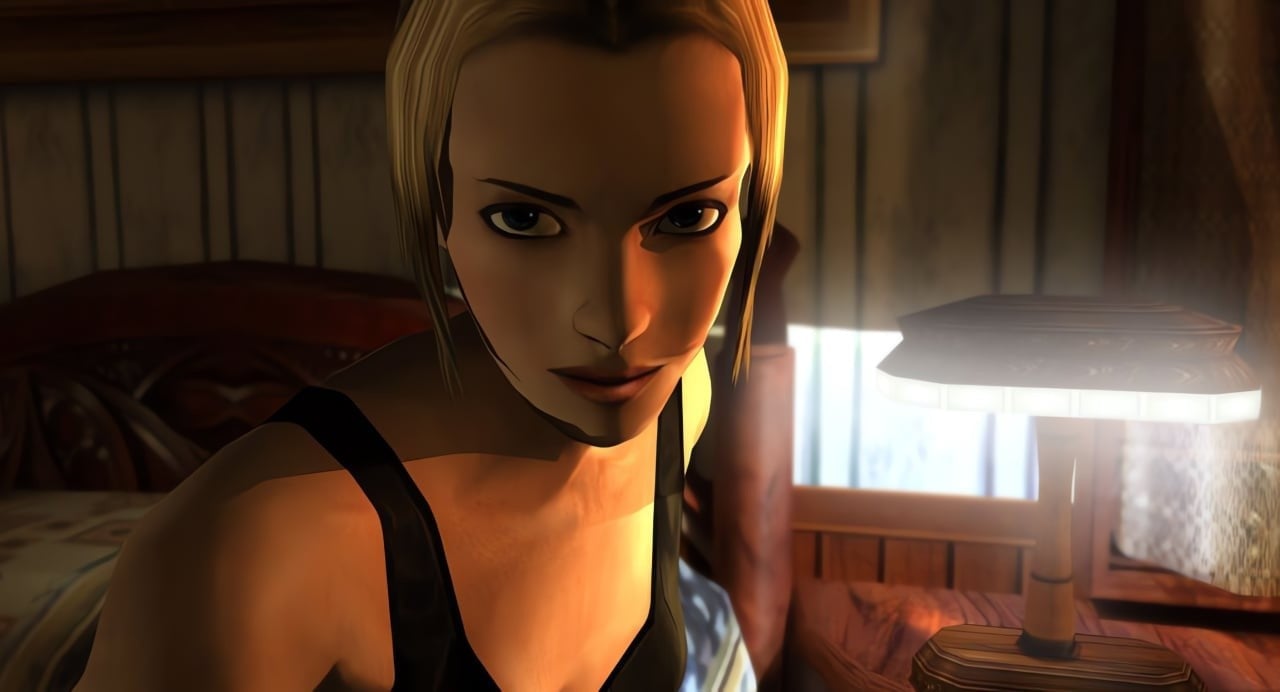
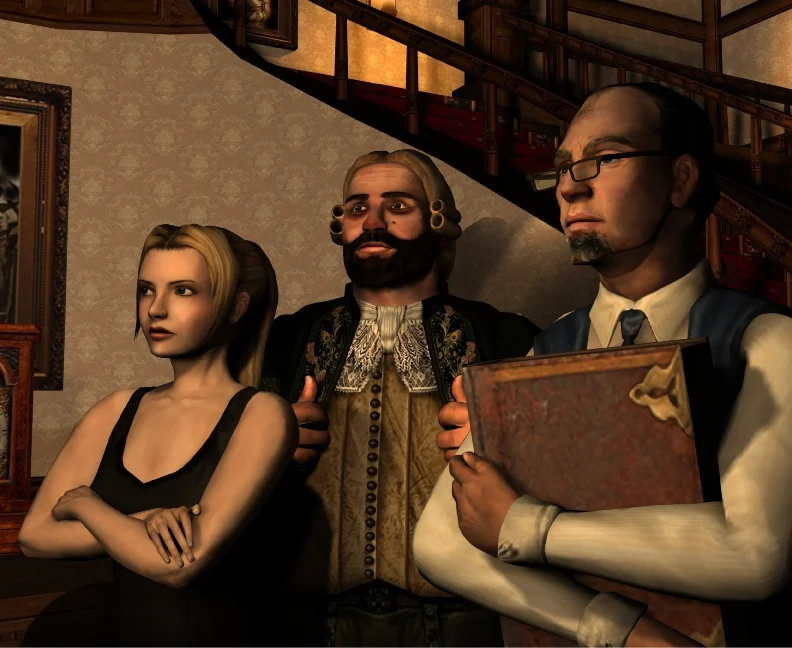
As players step into the shoes of Alexandra Roivas exploring a vast, ominous mansion, the game expertly fosters a haunting atmosphere.
Every investigation—whether it’s unlocking doors or examining every detail—builds suspense against the backdrop of a grim ambient soundtrack.
Eternal Darkness wastes no time in establishing its horror credentials.
One unforgettable moment unfolds as Alexandra inspects an ostensibly ordinary bathtub, only to be confronted with a horrifying vision: her own lifeless body submerged in blood.
The sudden immersion, both audibly and visually, is legendary for startling even seasoned horror fans.
While franchises like Resident Evil and Alone in the Dark rely on grotesque monsters and surprise attacks, Eternal Darkness distinguishes itself through its psychological approach.
Rather than adhering to traditional horror tropes, it delivers a globetrotting narrative, with events spanning from 26 BC to the year 2000 AD and offering a diverse arsenal of weapons—ranging from ancient swords to modern firearms—alongside a robust magic (or, as the game refers to it, "magick") system.
These innovations helped redefine what a survival horror title could be on a Nintendo platform.
The true genius of Eternal Darkness lies in its innovative sanity effects.
Signaled by a green meter on-screen, sanity diminishes as players encounter supernatural threats.
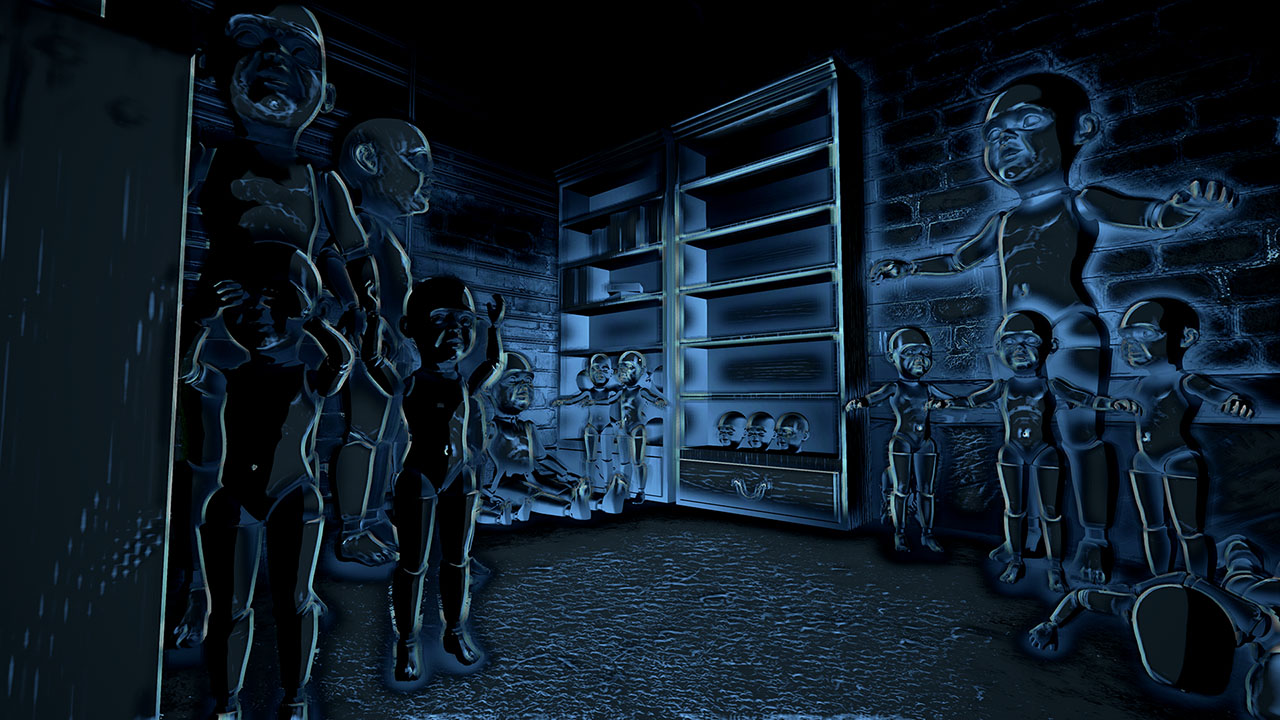
With lower sanity, reality in the game begins to warp: camera angles tilt unsettlingly, statues’ faces seem to follow the player, and eerie noises abound.
At peak intensity, the game daringly breaks the fourth wall—infamously simulating hardware errors like the 'blue screen of death' or pretending to delete your save data—all designed to disorient both character and player.
Such meta tricks have left a lasting mark, inspiring reverence among players for the game’s bold subversion of expectations.
While Metal Gear Solid’s Psycho Mantis encounter is often cited as a pioneering fourth wall moment, Silicon Knights expanded the idea further in Eternal Darkness, weaponizing player perception as a means of horror and tension.
The game’s creative influence was acknowledged when Silicon Knights went on to remake Metal Gear Solid for GameCube as "The Twin Snakes," fusing both franchises' penchant for gameplay innovation.
Despite the 2002 release’s critical success, Nintendo has not yet revisited the franchise—apart from a handful of trademark renewals and the expired patent for the sanity system.
A spiritual successor, Shadow of the Eternals, was announced by former Silicon Knights developers and at one point attached to Metal Gear’s own David Hayter, but the project was ultimately shelved amid legal complications involving Epic Games.
Today, Eternal Darkness: Sanity's Requiem remains exclusive to the GameCube, with no modern digital re-release or Nintendo Switch Online support in sight.
Its legacy, however, is clear: it remains one of the most influential and innovative survival horror games of all time—a title honored by both fans and industry figures, including Xbox's Phil Spencer, who has described it as his favorite GameCube game.
Whether tracking down a GameCube or Wii to experience its chilling narrative firsthand, fans and newcomers alike continue to celebrate Eternal Darkness for its daring leap into psychological horror and the enduring uniqueness of its sanity effects.
For more insight on GameCube classics, reader stories, and box art comparisons, follow our ongoing coverage of Nintendo’s legendary hardware and software on our site.
When Eternal Darkness: Sanity's Requiem debuted on the Nintendo GameCube in June 2002, it marked a turning point for both survival horror and Nintendo’s image as a publisher.
Developed by Silicon Knights, Eternal Darkness was the first M-rated game published by Nintendo, challenging the company’s reputation for exclusively family-friendly titles and delivering a narrative-driven horror experience steeped in psychological tension and Lovecraftian influences.
Despite its critical acclaim and lasting cult status, Eternal Darkness remains locked on the GameCube, with fans still clamoring for a modern re-release or port to platforms like Nintendo Switch or the eShop.
As players step into the shoes of Alexandra Roivas exploring a vast, ominous mansion, the game expertly fosters a haunting atmosphere.
Every investigation—whether it’s unlocking doors or examining every detail—builds suspense against the backdrop of a grim ambient soundtrack.
Eternal Darkness wastes no time in establishing its horror credentials.
One unforgettable moment unfolds as Alexandra inspects an ostensibly ordinary bathtub, only to be confronted with a horrifying vision: her own lifeless body submerged in blood.
The sudden immersion, both audibly and visually, is legendary for startling even seasoned horror fans.
While franchises like Resident Evil and Alone in the Dark rely on grotesque monsters and surprise attacks, Eternal Darkness distinguishes itself through its psychological approach.
Rather than adhering to traditional horror tropes, it delivers a globetrotting narrative, with events spanning from 26 BC to the year 2000 AD and offering a diverse arsenal of weapons—ranging from ancient swords to modern firearms—alongside a robust magic (or, as the game refers to it, "magick") system.
These innovations helped redefine what a survival horror title could be on a Nintendo platform.
The true genius of Eternal Darkness lies in its innovative sanity effects.
Signaled by a green meter on-screen, sanity diminishes as players encounter supernatural threats.
With lower sanity, reality in the game begins to warp: camera angles tilt unsettlingly, statues’ faces seem to follow the player, and eerie noises abound.
At peak intensity, the game daringly breaks the fourth wall—infamously simulating hardware errors like the 'blue screen of death' or pretending to delete your save data—all designed to disorient both character and player.
Such meta tricks have left a lasting mark, inspiring reverence among players for the game’s bold subversion of expectations.
While Metal Gear Solid’s Psycho Mantis encounter is often cited as a pioneering fourth wall moment, Silicon Knights expanded the idea further in Eternal Darkness, weaponizing player perception as a means of horror and tension.
The game’s creative influence was acknowledged when Silicon Knights went on to remake Metal Gear Solid for GameCube as "The Twin Snakes," fusing both franchises' penchant for gameplay innovation.
Despite the 2002 release’s critical success, Nintendo has not yet revisited the franchise—apart from a handful of trademark renewals and the expired patent for the sanity system.
A spiritual successor, Shadow of the Eternals, was announced by former Silicon Knights developers and at one point attached to Metal Gear’s own David Hayter, but the project was ultimately shelved amid legal complications involving Epic Games.
Today, Eternal Darkness: Sanity's Requiem remains exclusive to the GameCube, with no modern digital re-release or Nintendo Switch Online support in sight.
Its legacy, however, is clear: it remains one of the most influential and innovative survival horror games of all time—a title honored by both fans and industry figures, including Xbox's Phil Spencer, who has described it as his favorite GameCube game.
Whether tracking down a GameCube or Wii to experience its chilling narrative firsthand, fans and newcomers alike continue to celebrate Eternal Darkness for its daring leap into psychological horror and the enduring uniqueness of its sanity effects.
For more insight on GameCube classics, reader stories, and box art comparisons, follow our ongoing coverage of Nintendo’s legendary hardware and software on our site.