
Mario & Luigi: Brothership – Analyzing Reclusa, the Series’ Most Compelling Villain Yet
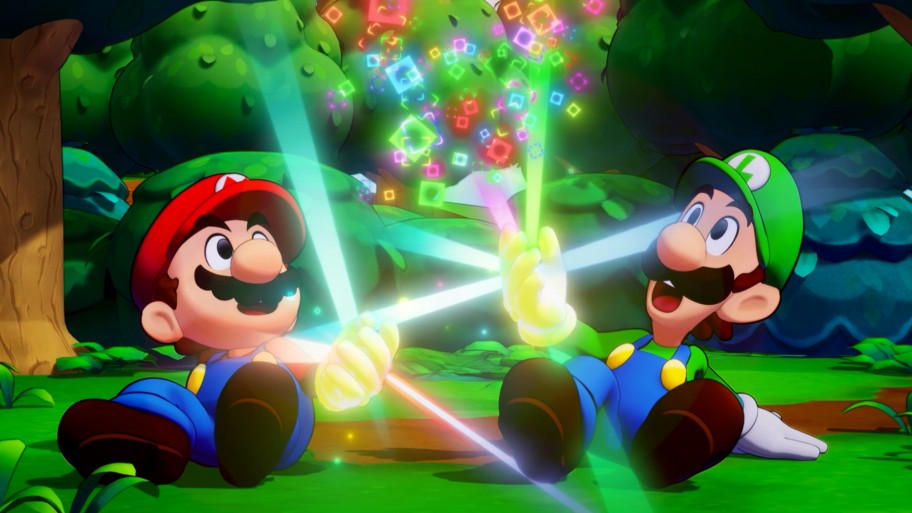
Since its release on the Nintendo Switch, Mario & Luigi: Brothership has stirred conversation within the gaming community. Developed by AlphaDream, the acclaimed team behind the beloved Mario & Luigi RPG series, Brothership debuted amid great anticipation. However, feedback surrounding the game has been mixed, with many lauding its narrative ambition while also pointing out substantial pacing and performance issues on Nintendo’s flagship console.
Despite these criticisms, Mario & Luigi: Brothership delivers one of the franchise's most memorable antagonists: Reclusa. The character’s introduction, development, and ultimate confrontation stand out as some of the series’ most powerful storytelling moments, breathing new life into the Mario RPG tradition.
A Narrative Rich in Themes and Character
From the outset, Brothership explores the core theme of camaraderie—not just between Mario and Luigi, but among all characters encountered. Although the slow pacing has deterred some players from seeing the game's conclusion, those who make it to the climactic endgame witness a remarkable synthesis of ideas. The story’s emotional payoff is strongly anchored by Reclusa, a villain who epitomizes isolation and detachment, counterbalancing the optimism and unity Mario and Luigi represent.
Early in the narrative, the mysterious Zokket appears to be the game's central adversary. Yet, the plot takes a dramatic turn when an ancient entity—Reclusa—emerges, revealing himself as the true threat to Concordia and its inhabitants. This plot twist cements the villain's role as both a thematic antithesis to the heroes and as a uniquely memorable foe in Mario series history.
Reclusa’s Dominance: A Narrative and Mechanical Standout
Reclusa distinguishes himself not through a tragic backstory, but with his purposeful malevolence. Unlike past Mario villains, Reclusa’s motivations stem from a desire for solitude, wreaking havoc for no reason other than fundamental disdain for companionship. He imprisons Concordia’s citizens in dreamworlds, ultimately endangering their lives. This approach, according to AlphaDream, highlights a villain "who derives satisfaction from severing bonds and observing suffering, a stark contrast to the inclusivity Mario and Luigi champion."
The endgame’s pacing issues notwithstanding, Reclusa’s storyline reaches an apex as Mario and Luigi resist his manipulations, culminating in a multi-layered final battle. Bowser, ever the series wildcard, plays a crucial supporting role, but it is ultimately the bond between the brothers—and by extension, their companions—that paves the way for victory. Reclusa’s final moments are particularly striking: feigning remorse before attempting one last destructive act, he emphasizes his inability to change, underscored by uniquely mechanical attributes that set him apart from organic foes.
A Villain for the Ages
Reclusa embodies the classic traits of a Mario RPG villain—expressive design, distinctive palette, and definitive abilities—while also offering a philosophical challenge to the series’ core. His antagonism isn’t rooted in past trauma, but in an unrepentant opposition to Mario’s hopeful worldview. As the narrative concludes, Reclusa's defeat is both dramatic and satisfying for players who have journeyed through Brothership’s lengthy campaign.
While Mario & Luigi: Brothership’s slow pacing may prevent some players from reaching Reclusa, his presence is a testament to AlphaDream’s enduring creativity and storytelling prowess. The villain serves as proof that the Mario & Luigi series remains a fertile ground for deep themes and memorable characters, even as the franchise faces its own set of challenges on modern hardware like the Nintendo Switch.
For fans and newcomers alike, Mario & Luigi: Brothership is worth exploring—not only for its inventive mechanics and humor, but to experience one of the Mario RPG series’ finest antagonists. For more information on the game, visit Nintendo’s official website or the eShop for purchase details and updates.
Mario & Luigi: Brothership – Analyzing Reclusa, the Series’ Most Compelling Villain Yet
Nintendo News Hub

Game Pages Mentioned In This Article
Use these Nintendo Switch game pages to keep exploring the titles connected to this story, including related genres, developers, screenshots, and more coverage.
Related Topics
Explore more articles about these topics:
Source: NintendoEverything