Magic: The Gathering Dreamcast English Translation Released by Fan Translator AstraleAmalthea
Magic: The Gathering, the collectible card game created by Richard Garfield and published by Wizards of the Coast in 1993, remains one of the industry’s most enduring franchises — generating roughly $1 billion in revenue for Hasbro in 2022.
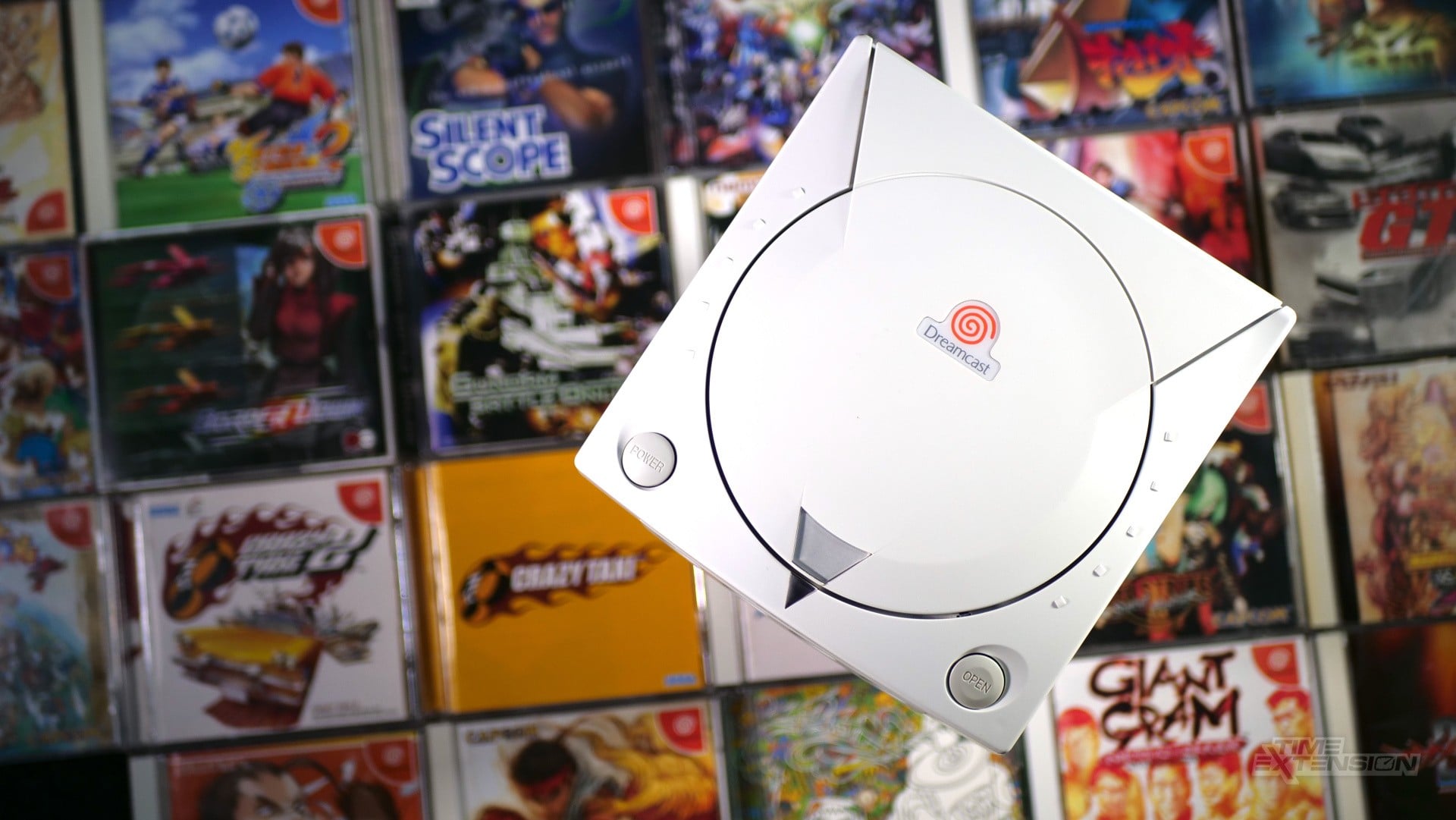
While tabletop and digital releases continue to dominate headlines, a lesser-known 2001 Dreamcast release that was exclusive to Japan has now received an English fan translation courtesy of community modder AstraleAmalthea.
The translation project required both text extraction and careful localization.
AstraleAmalthea reports using AI-assisted tooling to automate extraction: they employed Claude to generate Python scripts that exported in-game strings into editable CSV files.
The developer emphasized that, despite this tooling assistance, every line of English text was translated and reviewed by a human localizer rather than being machine-translated.
In journalistic terms, AstraleAmalthea clarified that AI was used only to build utilities for the workflow — not to perform the translations themselves.
The translator also acknowledged technical constraints: hard-coded string limits in the original game forced them to shorten card names and prompt text, and some entries were edited without full contextual visibility.
They asked players to report any lines that read as nonsensical or incorrect so the patch can be refined.
Not all assets were changed.
Tutorial videos remain in Japanese and were left untranslated because the developer judged that few players would rely on them, and because they lacked the Japanese listening skills to transcribe and subtitle those files.
AstraleAmalthea said they would consider adding transcriptions to the patch if someone in the community provides them.
They also noted that some spoken English voice lines in the game do not exactly match the subtitle translations; for the patch they translated the Japanese subtitle text, which differed slightly from the spoken dialogue, but remain open to adjustments if players find the mismatch problematic.
Texture edits and interface work were done manually in PaintNet with a PVR plugin.
The patch is being distributed as a fan translation; anyone interested in the untranslated original can find footage and archival materials online.
The release comes amid ongoing community discussion about the role of AI in retro translation projects, and in this case the developer has tried to draw a clear line between automation of extraction and the human effort of translation and localization.
Players and preservationists interested in retro releases — whether on Dreamcast or modern platforms like Nintendo Switch and its eShop — may find this patch a noteworthy example of community-driven preservation and localization work.
Magic: The Gathering, the collectible card game created by Richard Garfield and published by Wizards of the Coast in 1993, remains one of the industry’s most enduring franchises — generating roughly $1 billion in revenue for Hasbro in 2022.
While tabletop and digital releases continue to dominate headlines, a lesser-known 2001 Dreamcast release that was exclusive to Japan has now received an English fan translation courtesy of community modder AstraleAmalthea.
The translation project required both text extraction and careful localization.
AstraleAmalthea reports using AI-assisted tooling to automate extraction: they employed Claude to generate Python scripts that exported in-game strings into editable CSV files.
The developer emphasized that, despite this tooling assistance, every line of English text was translated and reviewed by a human localizer rather than being machine-translated.
In journalistic terms, AstraleAmalthea clarified that AI was used only to build utilities for the workflow — not to perform the translations themselves.
The translator also acknowledged technical constraints: hard-coded string limits in the original game forced them to shorten card names and prompt text, and some entries were edited without full contextual visibility.
They asked players to report any lines that read as nonsensical or incorrect so the patch can be refined.
Not all assets were changed.
Tutorial videos remain in Japanese and were left untranslated because the developer judged that few players would rely on them, and because they lacked the Japanese listening skills to transcribe and subtitle those files.
AstraleAmalthea said they would consider adding transcriptions to the patch if someone in the community provides them.
They also noted that some spoken English voice lines in the game do not exactly match the subtitle translations; for the patch they translated the Japanese subtitle text, which differed slightly from the spoken dialogue, but remain open to adjustments if players find the mismatch problematic.
Texture edits and interface work were done manually in PaintNet with a PVR plugin.
The patch is being distributed as a fan translation; anyone interested in the untranslated original can find footage and archival materials online.
The release comes amid ongoing community discussion about the role of AI in retro translation projects, and in this case the developer has tried to draw a clear line between automation of extraction and the human effort of translation and localization.
Players and preservationists interested in retro releases — whether on Dreamcast or modern platforms like Nintendo Switch and its eShop — may find this patch a noteworthy example of community-driven preservation and localization work.