Maestro lands on Nintendo Switch 2 as a motion-driven rhythm game that asks players to take the podium and conduct a virtual orchestra using the system’s Joy-Con 2 controllers.
Tested on Nintendo Switch 2 and reviewed by Ryan Janes for Nintendo Insider, the title earned an overall score of 8/10.
Maestro pairs classical repertoire and cinematic themes with gesture-based inputs, positioning itself for players who enjoy physical rhythm experiences similar to Guitar Hero or Beat Saber.
Background and first impressions
The reviewer began the hands-on with a degree of skepticism about classical music and traditional orchestral pieces, confessing that names like Beethoven and Bach did not typically draw him in.
That initial concern gave way quickly once the game’s tutorial and in-game guide — an assistant with an arrogant-but-helpful personality — led the player through the five primary prompt types.
The introductory sequences mix lighthearted direction with on-stage drama to prepare users for their first performance.
Controls and motion design
Maestro relies entirely on the motion input of two Joy-Con 2 controllers.
The right controller functions as the primary baton hand, while the left manages supporting gestures such as volume swells and section cues.
Prompts include directional waves with the right hand, left-hand flicks to cue orchestra sections, gradual tilts to influence dynamics, and shoulder-button presses for sharp cuts.
The reviewer compared the core feel to established rhythm properties but noted that the motions begin simply and scale in complexity across difficulty levels.
The review states the controls are not flawless — Joy-Con motion sensing can occasionally be imprecise — but overall responsiveness is sufficient for enjoyable play.
Missed cues increased during the hardest modes, yet the input system did not render the game unplayable.
Soundtrack and presentation
Maestro’s tracklist blends classical standards with cinematic scores.
The reviewer singled out Beethoven’s “Ode to Joy,” which he recognized from popular media and associated, humorously, with the Die Hard soundtrack.
The game also features arrangements evocative of major film and TV properties such as Harry Potter, The Lord of the Rings, and Game of Thrones, which fit well given their orchestral character.
Mode variety, cosmetics, and visual notes
Mode offerings are intentionally light: players primarily perform songs at selectable difficulty levels and chase higher scores.
Cosmetic unlocks — including alternate batons, digital hand models, orchestra costumes, and exotic stage settings — provide incentives to replay.
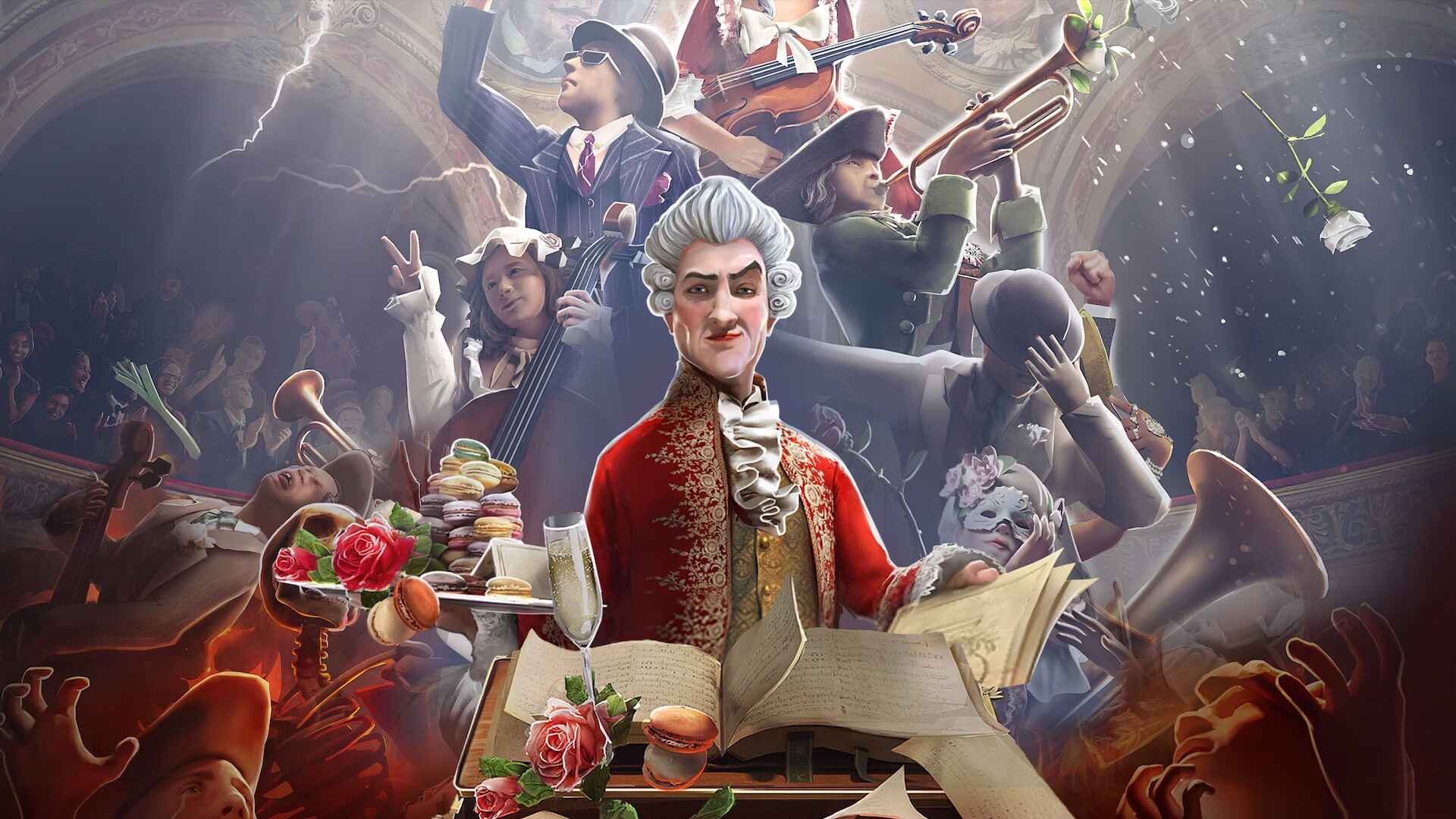
Visually, background locales are varied and enjoyable during breaks in play, but the orchestra’s character models were described as the weakest presentation element, with somewhat lifeless facial expressions.
The reviewer praised the game’s cover character and on-stage assistant.
Conclusion
Maestro represents a solid translation of gesture-based conducting to the Nintendo Switch 2.
While not perfect — motion detection limitations and some uneven character animation are noted — the game offers a compelling, score-driven rhythm experience for players seeking a different kind of motion title.
Version Tested: Nintendo Switch 2.
Total Score: 8/10.
Reviewed by Ryan Janes, Nintendo Insider.
Tested on Nintendo Switch 2 and reviewed by Ryan Janes for Nintendo Insider, the title earned an overall score of 8/10.
Maestro pairs classical repertoire and cinematic themes with gesture-based inputs, positioning itself for players who enjoy physical rhythm experiences similar to Guitar Hero or Beat Saber.
Background and first impressions
The reviewer began the hands-on with a degree of skepticism about classical music and traditional orchestral pieces, confessing that names like Beethoven and Bach did not typically draw him in.
That initial concern gave way quickly once the game’s tutorial and in-game guide — an assistant with an arrogant-but-helpful personality — led the player through the five primary prompt types.
The introductory sequences mix lighthearted direction with on-stage drama to prepare users for their first performance.
Controls and motion design
Maestro relies entirely on the motion input of two Joy-Con 2 controllers.
The right controller functions as the primary baton hand, while the left manages supporting gestures such as volume swells and section cues.
Prompts include directional waves with the right hand, left-hand flicks to cue orchestra sections, gradual tilts to influence dynamics, and shoulder-button presses for sharp cuts.
The reviewer compared the core feel to established rhythm properties but noted that the motions begin simply and scale in complexity across difficulty levels.
The review states the controls are not flawless — Joy-Con motion sensing can occasionally be imprecise — but overall responsiveness is sufficient for enjoyable play.
Missed cues increased during the hardest modes, yet the input system did not render the game unplayable.
Soundtrack and presentation
Maestro’s tracklist blends classical standards with cinematic scores.
The reviewer singled out Beethoven’s “Ode to Joy,” which he recognized from popular media and associated, humorously, with the Die Hard soundtrack.
The game also features arrangements evocative of major film and TV properties such as Harry Potter, The Lord of the Rings, and Game of Thrones, which fit well given their orchestral character.
Mode variety, cosmetics, and visual notes
Mode offerings are intentionally light: players primarily perform songs at selectable difficulty levels and chase higher scores.
Cosmetic unlocks — including alternate batons, digital hand models, orchestra costumes, and exotic stage settings — provide incentives to replay.
Visually, background locales are varied and enjoyable during breaks in play, but the orchestra’s character models were described as the weakest presentation element, with somewhat lifeless facial expressions.
The reviewer praised the game’s cover character and on-stage assistant.
Conclusion
Maestro represents a solid translation of gesture-based conducting to the Nintendo Switch 2.
While not perfect — motion detection limitations and some uneven character animation are noted — the game offers a compelling, score-driven rhythm experience for players seeking a different kind of motion title.
Version Tested: Nintendo Switch 2.
Total Score: 8/10.
Reviewed by Ryan Janes, Nintendo Insider.