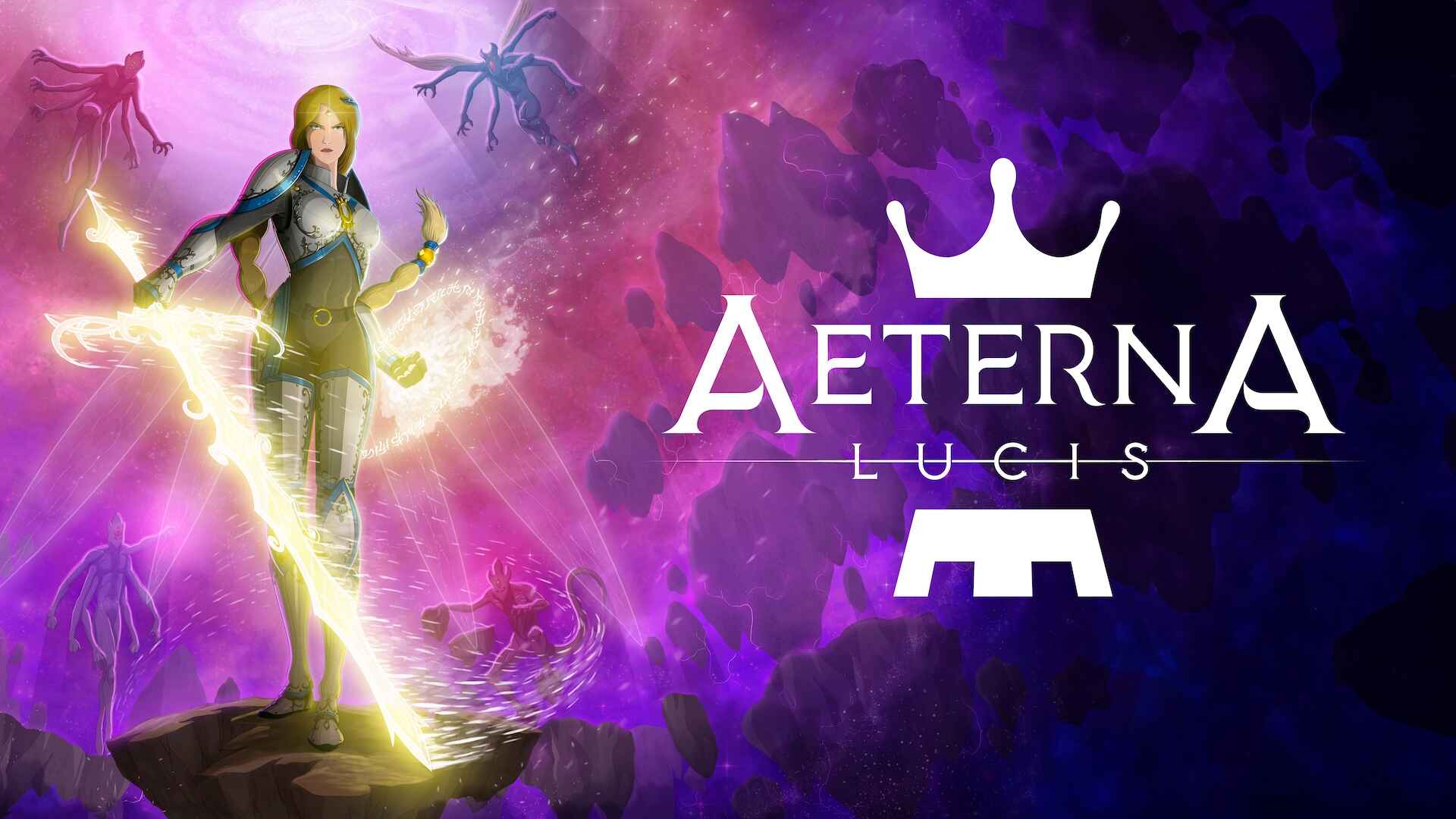


Aeternum Game Studios has confirmed that Aeterna Lucis, the follow-up to Aeterna Noctis, will launch digitally on the Nintendo eShop for Nintendo Switch 2 and Nintendo Switch worldwide on 3 December 2026.
The developer positions the title as a focused Metroidvania experience that places players in the role of the Queen of Light as they explore a hand-drawn, interconnected world built in the Aeterna Universe’s stained-glass style.
In developer commentary, Aeternum described Aeterna Lucis as the studio’s most concentrated Metroidvania effort, emphasizing tighter exploration and combat loops designed around the Queen of Light’s progression.
The team also explained the game will offer two distinct play modes: Aeterna Mode, which balances exploration and combat and is suggested for most players and newcomers, and Lucis Mode, which the studio says delivers significantly harsher platforming encounters and more relentless boss encounters aimed at Metroidvania purists.
Key technical and design features published by the developer include:
- Seamless interconnected world with zero loading screens for uninterrupted traversal.
- A new real-time dynamic lighting engine that interacts with combat, weapons, projectiles, and environments.
- A detailed, true-to-scale in-game map that doubles as a miniature artistic representation of each area to aid navigation.
- An accessible allegorical lore system presented through stained-glass imagery that welcomes new players while providing deeper context for series veterans.
- Two balanced playstyles—Aeterna Mode and Lucis Mode—to accommodate differing player skill levels and preferences.
- Rebuilt optimization with an overhauled save system, target fast performance, and a promised rock-solid 60 FPS on PC and consoles from day one.
Aeternum has also released a trailer showcasing Aeterna Lucis’ art direction and some gameplay beats ahead of the December launch.
The confirmed eShop release on 3 December 2026 places the game on both current and next-generation Nintendo handheld-home hybrid hardware, continuing the series’ platform history and expanding accessibility for fans of the original title.
For players tracking Metroidvania releases and next-generation Nintendo software, Aeterna Lucis’ December release date and technical goals make it a notable entry for both Nintendo Switch and the upcoming Switch 2 lifecycle.