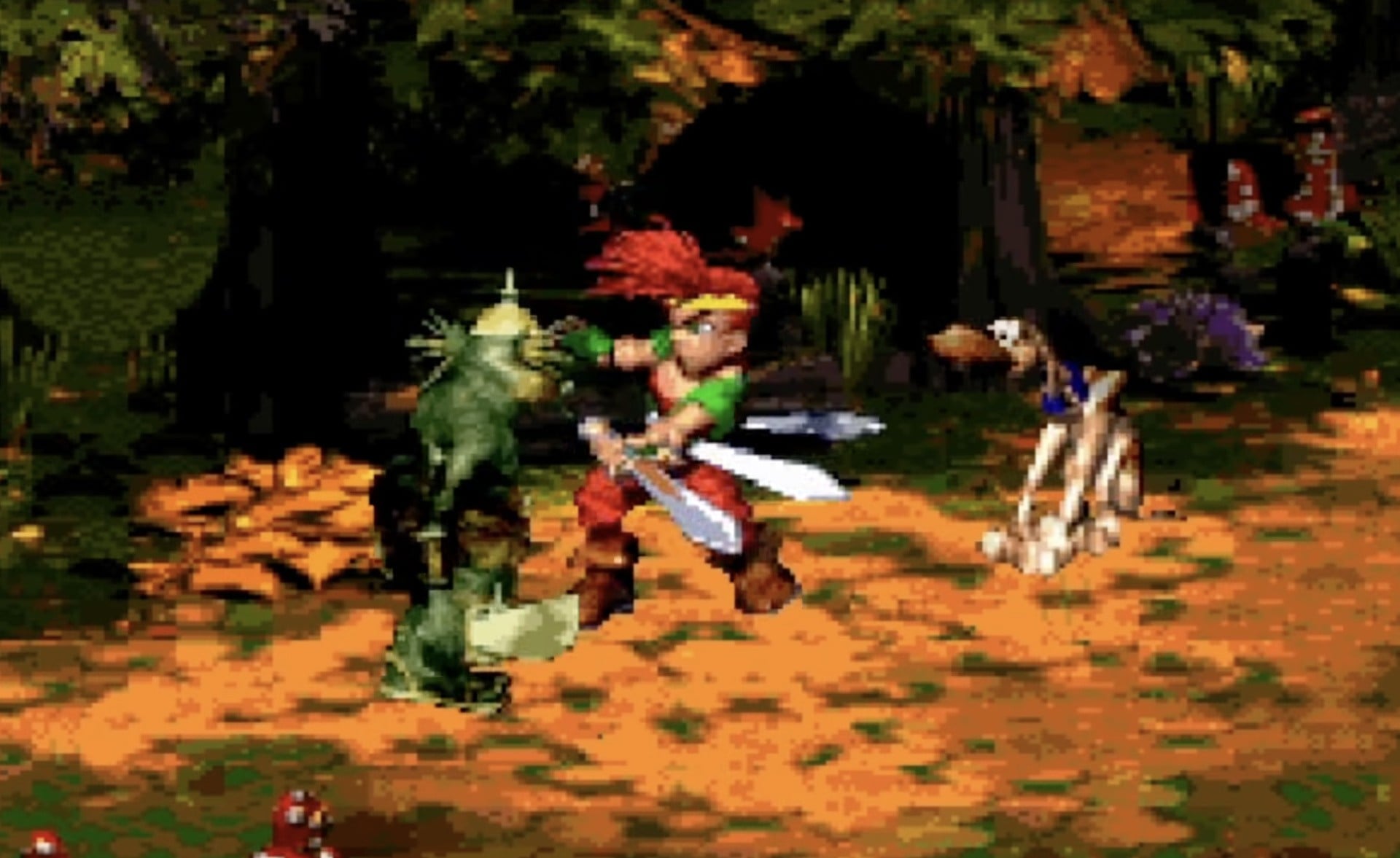
A build claimed to be a proof-of-concept SNES alpha for Project Dream — the prototype that eventually became Rare’s Banjo-Kazooie on the Nintendo 64 — was posted to the Internet Archive this week. The upload is notable because Project Dream has long been documented only through screenshots and video clips, most prominently in the Rare Replay featurette released with Xbox One compilation Rare Replay in 2015.
Project Dream began life as an early Rare concept before the studio reworked the idea into Banjo-Kazooie, which Rare released for Nintendo 64 in 1998. Rare, a British developer founded in 1985, was acquired by Microsoft in 2002. The Rare Replay collection, published in 2015 for Xbox One, included historical material that revived interest in Rare’s unreleased projects.
The Internet Archive upload was posted under the pseudonym “FvckAsha&Phil” — a name that directly references Xbox leadership Asha Sharma and Phil Spencer — and the uploader declined to disclose the build’s chain of custody other than saying they received it indirectly. The attached archive reportedly contains a raw .bin ROM dump alongside a renamed .sfc file intended for use in emulators.
In a public reaction, former Rare composers Grant Kirkhope and David Wise suggested on X (formerly Twitter) that the build “looks real,” lending cautious credibility to the release. Additionally, some dataminers have reported finding leftover sprites linked to the SNES title Ken Griffey Jr.'s Winning Run inside the dump, a detail cited as evidence by those who argue the file is authentic.
The uploader explained their motivation in a posted statement, saying they withheld provenance to avoid legal risk, and that their primary goal was archival preservation: they want the ROM dissected and preserved by experts. They also criticized current industry practices and Microsoft’s stewardship of Rare, and requested that journalists reproduce their full statement when reporting the release.
At this time, authentication efforts and community analysis are ongoing. Preservation advocates and ROM researchers are expected to continue examining the files hosted on the Internet Archive to confirm provenance and to catalog what remains of this early Rare prototype.
Project Dream SNES Prototype Dump Surfaces on Internet Archive
Nintendo News Hub
Game Pages Mentioned In This Article
Use these Nintendo Switch game pages to keep exploring the titles connected to this story, including related genres, developers, screenshots, and more coverage.
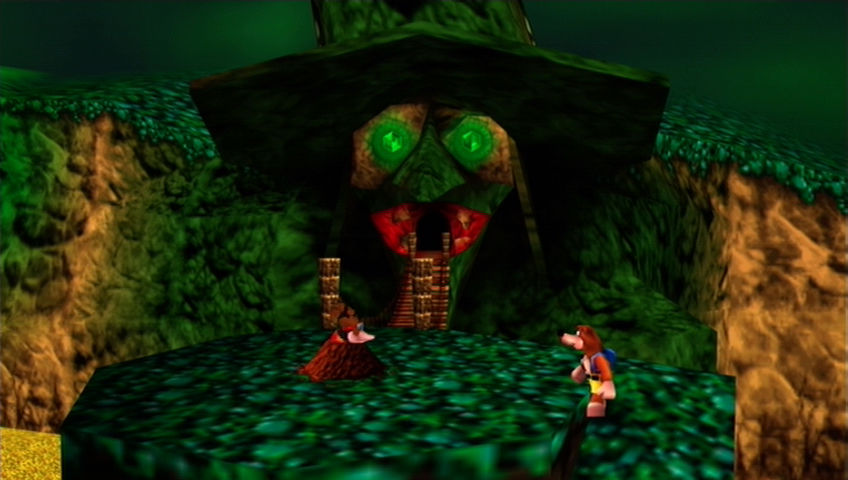
Banjo-Kazooie
Rare · Action · 1998
View game page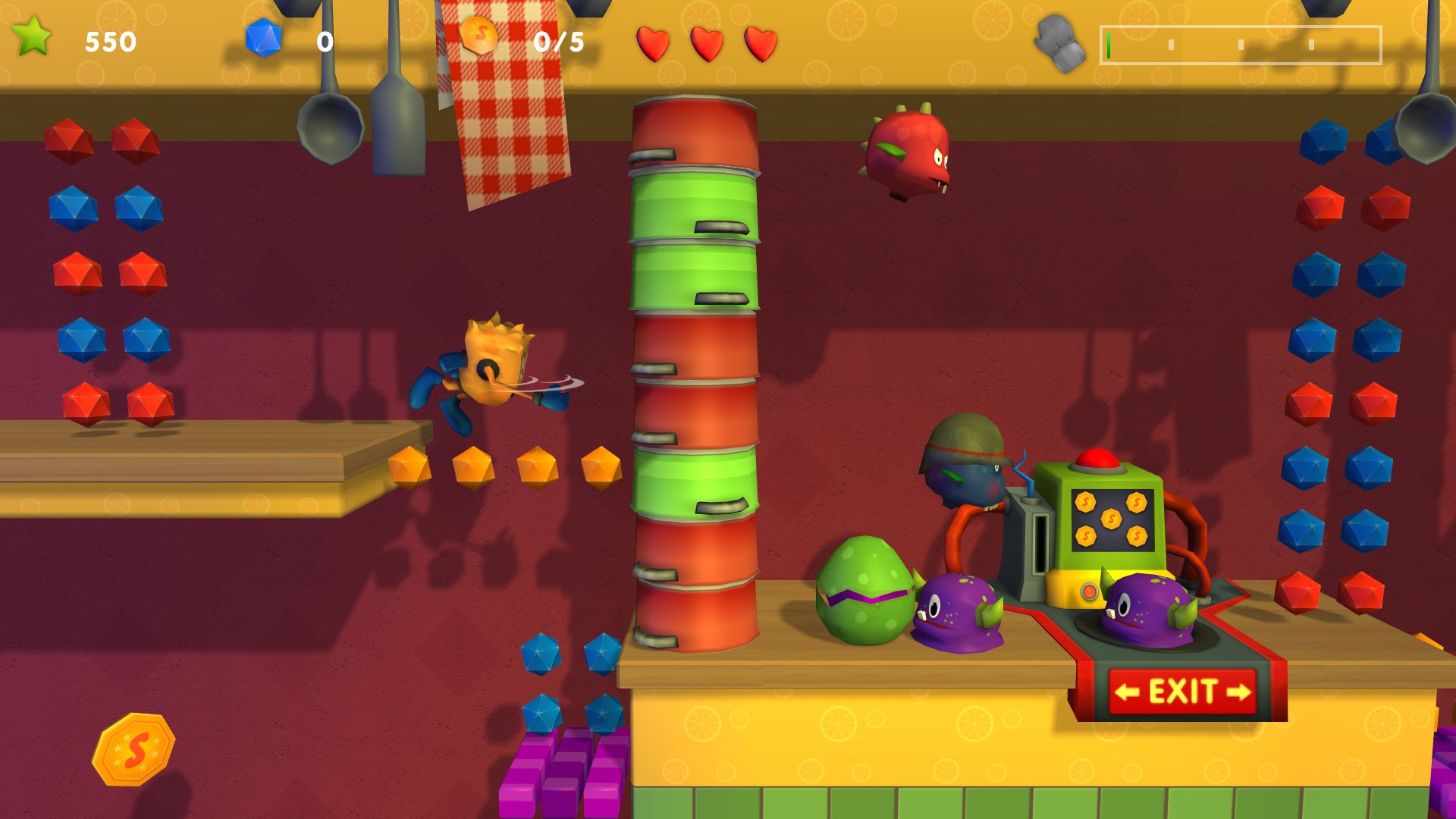
Spencer
EntwicklerX · Action · 2018
View game page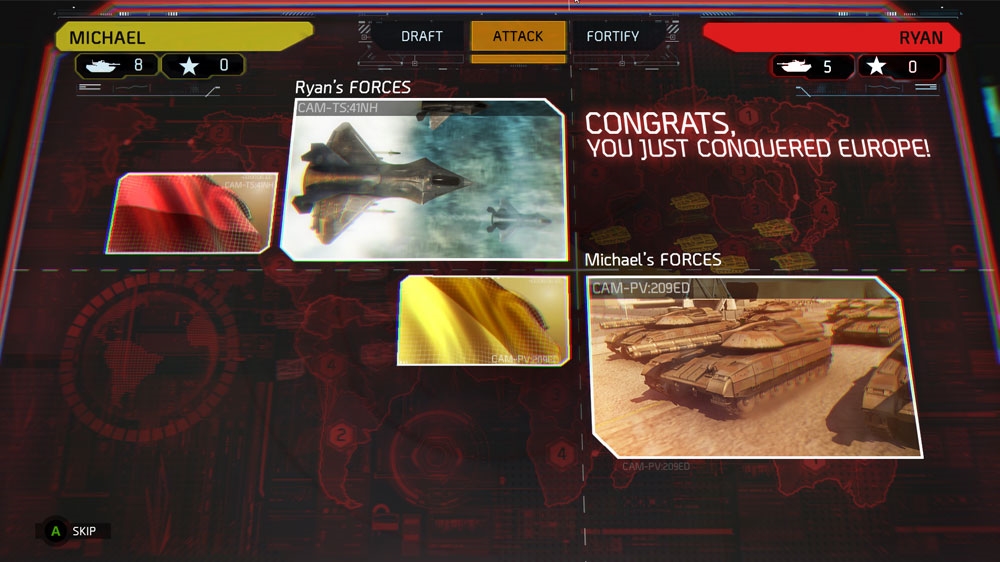
RISK
Ubisoft · Strategy · 2013
View game page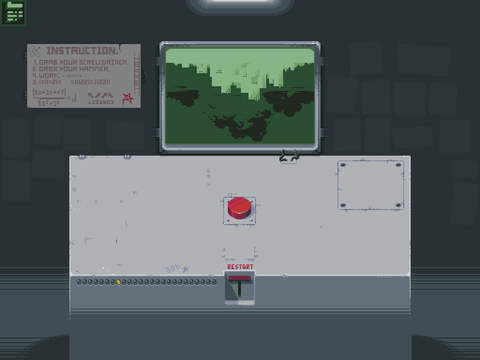
Please, Don’t Touch Anything
Escalation Studios · Indie · 2015
View game page
Please, Don't Touch Anything: Classic
Four Quarters · 2019
View game page
Please, Don't Touch Anything 3D
Escalation Studios · Indie · 2016
View game pageRelated Topics
Explore more articles about these topics:
Source: TimeExtension