
Introduction
Since the launch of the Nintendo Switch on March 3, 2017, Nintendo’s platform strategy and communication channels have reshaped how developers and communities engage with the company’s hardware and software.
The Switch’s hybrid design, the rise of Nintendo Direct presentations, and the evolution of the Nintendo eShop have all played central roles in the console generation that followed.
Background and platform milestones
Nintendo introduced the Switch as a hybrid home/portable console on March 3, 2017, positioning it differently from previous systems and anchoring its launch lineup with key first-party titles.
The Legend of Zelda: Breath of the Wild released on the same day and became a cornerstone for both critical and commercial recognition of the platform.
Nintendo later refreshed the hardware with the Nintendo Switch OLED model, released on October 8, 2021, which offered an improved screen and revised dock but retained the Switch’s core hybrid functionality.
Communications: Nintendo Direct and the eShop
Nintendo’s Direct video presentations, which the company launched in 2011 as a direct-to-consumer announcement format, became the primary venue for timed reveals, third-party updates, and Indie highlights for the Switch generation.
The Nintendo eShop — which debuted on Nintendo platforms in 2011 and became the Switch’s digital storefront at launch in 2017 — has been an essential marketplace for first-party releases, major third-party titles, and a thriving independent scene.
Developer achievements and the role of first-party teams
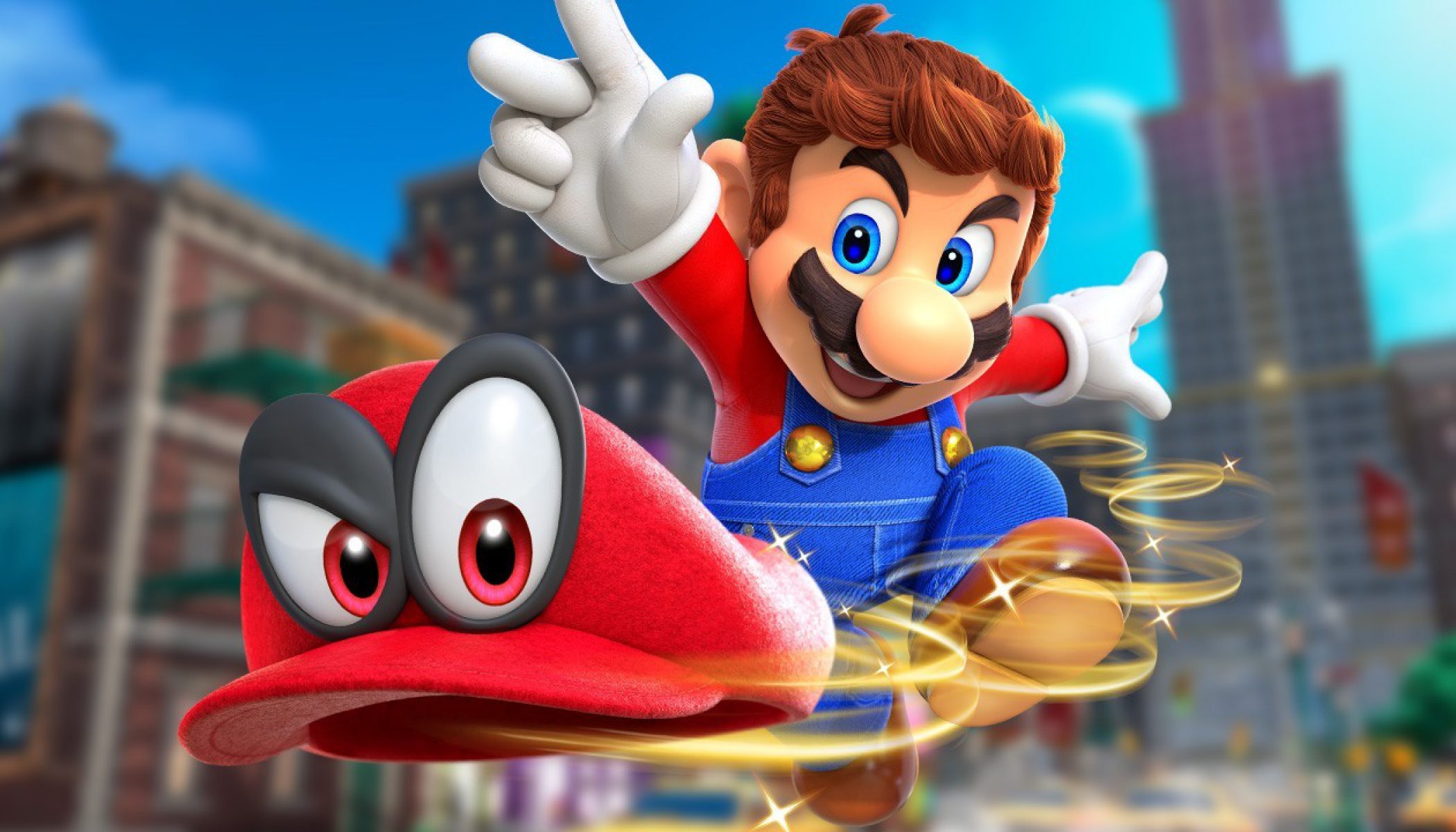
Nintendo EPD and other internal studios delivered pivotal titles that defined the early Switch era, including Breath of the Wild at launch and Super Mario Odyssey later in 2017 (released October 27, 2017).
These releases underscored Nintendo’s continued strength in first-party development and provided the software momentum that helped the Switch reach a broad audience.
Community channels and legacy outlets
Longstanding fan and editorial outlets have remained important to Nintendo’s ecosystem.
For example, Nintendojo has served as a dedicated hub for Nintendo news, reviews, features, and community content since 1996, reflecting how media and fan communities have chronicled Nintendo’s evolution across hardware generations.
Conclusion
The combination of hardware innovation, consistent first-party output from teams like Nintendo EPD, and direct-to-audience communication through Nintendo Direct and the eShop have defined the Switch generation.
Legacy community sites and modern digital storefronts alike continue to shape how developers reach players and how the industry interprets Nintendo’s strategy moving forward.
Since the launch of the Nintendo Switch on March 3, 2017, Nintendo’s platform strategy and communication channels have reshaped how developers and communities engage with the company’s hardware and software.
The Switch’s hybrid design, the rise of Nintendo Direct presentations, and the evolution of the Nintendo eShop have all played central roles in the console generation that followed.
Background and platform milestones
Nintendo introduced the Switch as a hybrid home/portable console on March 3, 2017, positioning it differently from previous systems and anchoring its launch lineup with key first-party titles.
The Legend of Zelda: Breath of the Wild released on the same day and became a cornerstone for both critical and commercial recognition of the platform.
Nintendo later refreshed the hardware with the Nintendo Switch OLED model, released on October 8, 2021, which offered an improved screen and revised dock but retained the Switch’s core hybrid functionality.
Communications: Nintendo Direct and the eShop
Nintendo’s Direct video presentations, which the company launched in 2011 as a direct-to-consumer announcement format, became the primary venue for timed reveals, third-party updates, and Indie highlights for the Switch generation.
The Nintendo eShop — which debuted on Nintendo platforms in 2011 and became the Switch’s digital storefront at launch in 2017 — has been an essential marketplace for first-party releases, major third-party titles, and a thriving independent scene.
Developer achievements and the role of first-party teams
Nintendo EPD and other internal studios delivered pivotal titles that defined the early Switch era, including Breath of the Wild at launch and Super Mario Odyssey later in 2017 (released October 27, 2017).
These releases underscored Nintendo’s continued strength in first-party development and provided the software momentum that helped the Switch reach a broad audience.
Community channels and legacy outlets
Longstanding fan and editorial outlets have remained important to Nintendo’s ecosystem.
For example, Nintendojo has served as a dedicated hub for Nintendo news, reviews, features, and community content since 1996, reflecting how media and fan communities have chronicled Nintendo’s evolution across hardware generations.
Conclusion
The combination of hardware innovation, consistent first-party output from teams like Nintendo EPD, and direct-to-audience communication through Nintendo Direct and the eShop have defined the Switch generation.
Legacy community sites and modern digital storefronts alike continue to shape how developers reach players and how the industry interprets Nintendo’s strategy moving forward.