
Kirby Air Riders Delivers Unique Racing Experience on Nintendo Switch 2
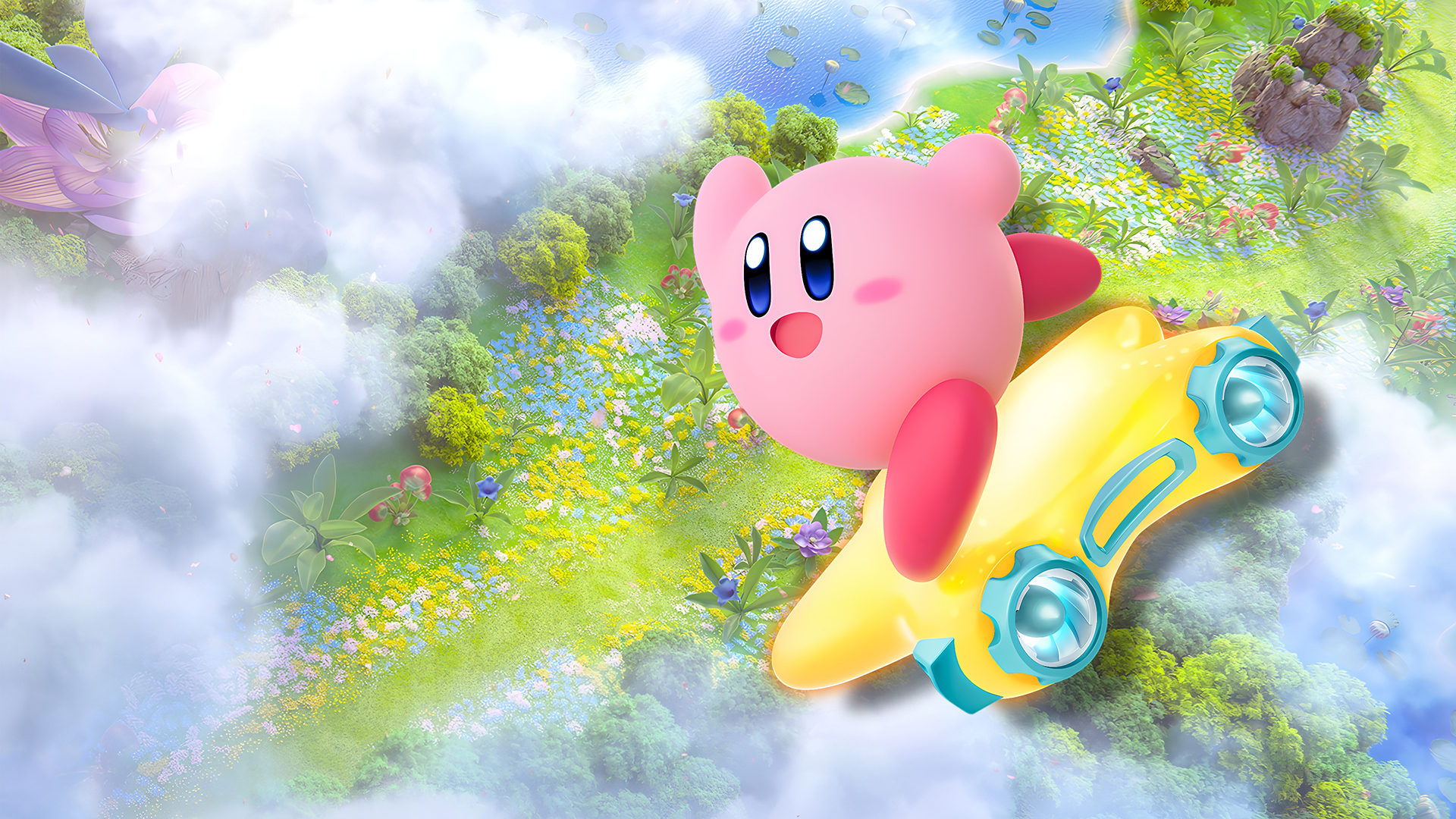
Fans of inventive racing games have reason to celebrate with the release of Kirby Air Riders on Nintendo Switch 2.
Developed by Nintendo and led by the visionary Masahiro Sakurai, Kirby Air Riders is a fresh iteration of the cult-classic GameCube title, now revamped with expanded content and new features for the Switch 2 hardware.
The title made waves following its reveal during April’s Nintendo Direct, shining a spotlight on one of the most distinctive racing experiences in Nintendo’s catalog.
While initially some questioned introducing Kirby Air Riders close to the launch of Mario Kart World—the latest in Nintendo’s globally renowned kart racing franchise—hands-on experience quickly quells any doubts.
As Sakurai himself has showcased in previous works, most notably Super Smash Bros., Kirby Air Riders twists familiar racing mechanics into something altogether unique, fusing elements of party gaming, arena battling, and surprisingly strategic racing.
Kirby Air Riders offers three distinct main modes, each with its own gameplay identity.
Air Ride mode delivers the closest experience to traditional kart racing, featuring vibrant tracks, a choice of over two dozen wildly different machines, and a racing system that eschews drifting in favor of strategic slowing and re-acceleration.
Unlike competitors, every machine feels unique—with varying speeds, handling, and special abilities.
Notable examples include the airborne Wing Star, the speed-focused Rex Wheelie, and the formidable Bull Tank, each impacting the gameplay in meaningful ways.
Power-ups in Kirby Air Riders are acquired by absorbing enemies encountered mid-race, granting temporary abilities reminiscent of classic Kirby games.
Familiar transformations like Fire, Wheel, and Sword make appearances, keeping the races dynamic and unpredictable.
Each stage is visually diverse, whisking players across lush fields, oceans, and mountain ranges—even if the track list is concise, the creativity and replay value remain high.
The Top Ride mode takes a top-down approach, evoking retro racing titles such as Ivan ‘Ironman’ Stewart’s Super Off Road.
Short, fast-paced races using the same machines and power-ups make this mode an ideal palate cleanser between longer sessions.
However, it’s City Trial mode that emerges as the game’s centerpiece, especially for the competitive online scene.
Up to sixteen players roam an expansive island, collecting stat boosts, swapping machines, and participating in spontaneous mini-contests.
After a set time, competitors face off in randomized stadium events catering to different aspects of their customized machines.
This mode’s open-ended, strategic chaos has garnered considerable praise since its GameCube origins.
Supporting both robust local and full-featured online multiplayer—including customizable paddocks, leaderboards, and creative lobbies—Kirby Air Riders brings the chaotic fun of its modes to a connected audience.
The Road Trip single-player campaign ties these experiences together, sending players through event-filled chapters reminiscent of Super Smash Bros.
Ultimate’s World of Light.
With machine customization, a dynamic online store, accomplishment checklists, and collectibles to uncover, the game promises months of replayability and community engagement.
Kirby Air Riders stands unapologetically apart from its contemporaries with a chaotic, exuberant design that rewards both experimentation and mastery.
The control scheme is approachable, but the on-screen action can be frenetic, which may not suit all tastes.
Yet, as a creative addition to the Nintendo Switch 2 library, it is poised to leave a lasting mark for players willing to dive into its singular brand of mayhem.
Even amid heavy hitters like Mario Kart World and Sonic Racing CrossWorlds in 2025, Kirby’s new speedster ensures Nintendo’s legacy of innovative racers endures.
Fans of inventive racing games have reason to celebrate with the release of Kirby Air Riders on Nintendo Switch 2.
Developed by Nintendo and led by the visionary Masahiro Sakurai, Kirby Air Riders is a fresh iteration of the cult-classic GameCube title, now revamped with expanded content and new features for the Switch 2 hardware.
The title made waves following its reveal during April’s Nintendo Direct, shining a spotlight on one of the most distinctive racing experiences in Nintendo’s catalog.
While initially some questioned introducing Kirby Air Riders close to the launch of Mario Kart World—the latest in Nintendo’s globally renowned kart racing franchise—hands-on experience quickly quells any doubts.
As Sakurai himself has showcased in previous works, most notably Super Smash Bros., Kirby Air Riders twists familiar racing mechanics into something altogether unique, fusing elements of party gaming, arena battling, and surprisingly strategic racing.
Kirby Air Riders offers three distinct main modes, each with its own gameplay identity.
Air Ride mode delivers the closest experience to traditional kart racing, featuring vibrant tracks, a choice of over two dozen wildly different machines, and a racing system that eschews drifting in favor of strategic slowing and re-acceleration.
Unlike competitors, every machine feels unique—with varying speeds, handling, and special abilities.
Notable examples include the airborne Wing Star, the speed-focused Rex Wheelie, and the formidable Bull Tank, each impacting the gameplay in meaningful ways.
Power-ups in Kirby Air Riders are acquired by absorbing enemies encountered mid-race, granting temporary abilities reminiscent of classic Kirby games.
Familiar transformations like Fire, Wheel, and Sword make appearances, keeping the races dynamic and unpredictable.
Each stage is visually diverse, whisking players across lush fields, oceans, and mountain ranges—even if the track list is concise, the creativity and replay value remain high.
The Top Ride mode takes a top-down approach, evoking retro racing titles such as Ivan ‘Ironman’ Stewart’s Super Off Road.
Short, fast-paced races using the same machines and power-ups make this mode an ideal palate cleanser between longer sessions.
However, it’s City Trial mode that emerges as the game’s centerpiece, especially for the competitive online scene.
Up to sixteen players roam an expansive island, collecting stat boosts, swapping machines, and participating in spontaneous mini-contests.
After a set time, competitors face off in randomized stadium events catering to different aspects of their customized machines.
This mode’s open-ended, strategic chaos has garnered considerable praise since its GameCube origins.
Supporting both robust local and full-featured online multiplayer—including customizable paddocks, leaderboards, and creative lobbies—Kirby Air Riders brings the chaotic fun of its modes to a connected audience.
The Road Trip single-player campaign ties these experiences together, sending players through event-filled chapters reminiscent of Super Smash Bros.
Ultimate’s World of Light.
With machine customization, a dynamic online store, accomplishment checklists, and collectibles to uncover, the game promises months of replayability and community engagement.
Kirby Air Riders stands unapologetically apart from its contemporaries with a chaotic, exuberant design that rewards both experimentation and mastery.
The control scheme is approachable, but the on-screen action can be frenetic, which may not suit all tastes.
Yet, as a creative addition to the Nintendo Switch 2 library, it is poised to leave a lasting mark for players willing to dive into its singular brand of mayhem.
Even amid heavy hitters like Mario Kart World and Sonic Racing CrossWorlds in 2025, Kirby’s new speedster ensures Nintendo’s legacy of innovative racers endures.