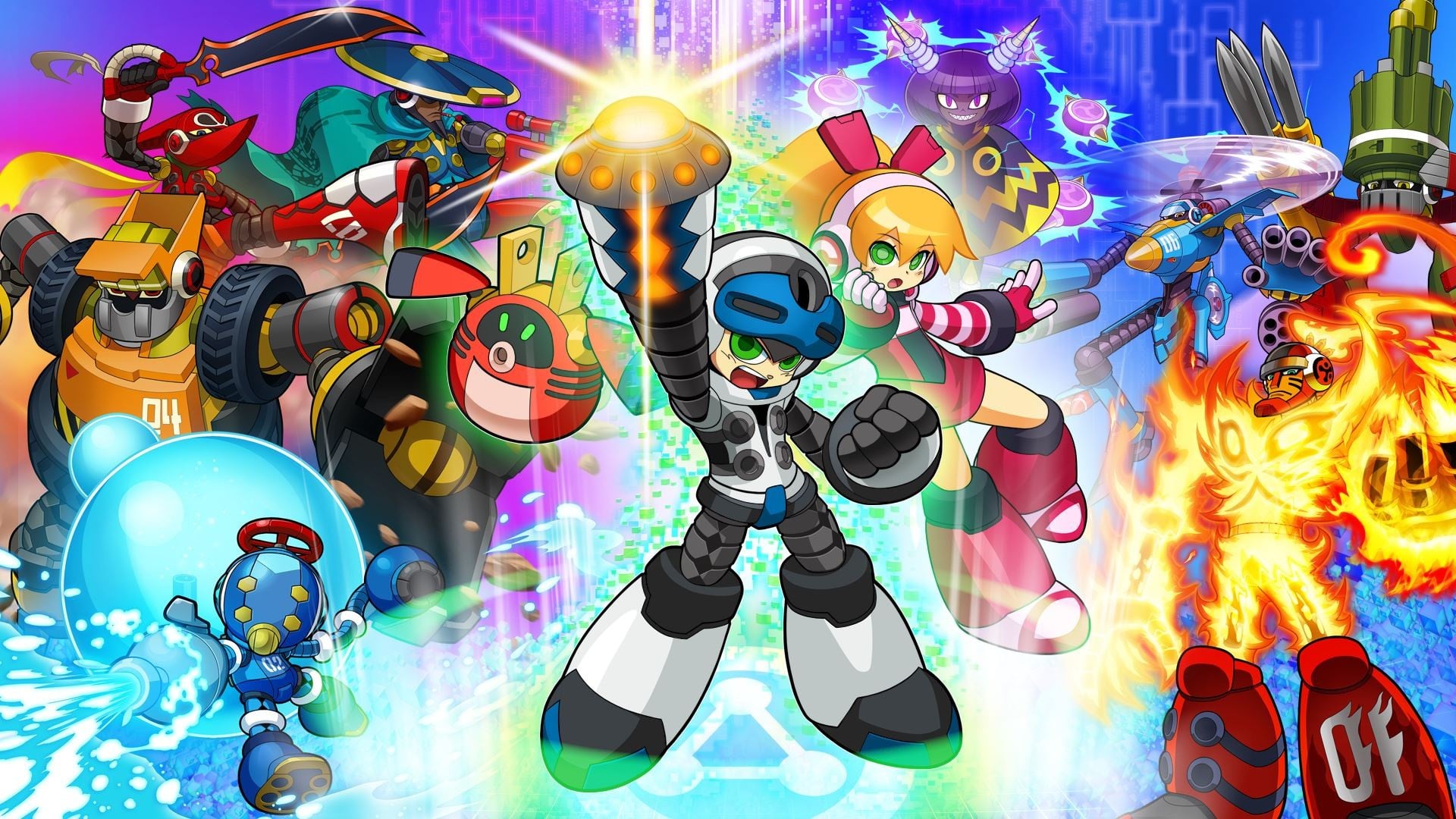
Comcept, the well-known game studio helmed by industry veteran Keiji Inafune, has officially closed its doors.
Founded by Inafune, a celebrated figure in Japanese game development best known for his contributions to the Mega Man franchise, Comcept rapidly became a notable entity in the gaming world following its establishment.
The company confirmed its dissolution via a shareholders’ resolution passed on January 13, drawing a formal close to its operational chapter.
Comcept made headlines over the last decade by attracting industry attention and audiences with titles such as Mighty No. 9 and by forging significant partnerships within the Japanese gaming community.
One of its high-profile collaborations was with renowned developer Level-5, through which Level-5 Comcept was established in the late 2010s.
This joint venture aimed to blend creative forces from both studios in hopes of delivering innovative gaming experiences.
However, Level-5 Comcept encountered challenges over its lifespan, ultimately leading to closure when Keiji Inafune departed from the joint venture in 2024.
In the aftermath, the original Comcept studio continued a relatively low profile before the recent formal dissolution.
The company’s move to close was ratified through a shareholders’ meeting, making the process transparent to both investors and the wider public.
In an official statement, company representatives emphasized gratitude for years of support and collaboration, noting that the decision was reached following careful consideration of Comcept’s business trajectory.
They expressed appreciation for the fans, partners, and creative teams that contributed to the studio’s projects throughout its existence.
Comcept’s legacy remains marked by both its ambitious projects and its creative leadership under Keiji Inafune.
Though the studio itself will no longer be producing new titles, its influence in Japanese game development—particularly among fans of action-platformers and indie-styled innovation—will be felt for years to come.
The closure comes as part of a broader wave of consolidations and restructuring across the Japanese gaming sector, signaling ongoing shifts in how studios adapt to an evolving global industry.
Founded by Inafune, a celebrated figure in Japanese game development best known for his contributions to the Mega Man franchise, Comcept rapidly became a notable entity in the gaming world following its establishment.
The company confirmed its dissolution via a shareholders’ resolution passed on January 13, drawing a formal close to its operational chapter.
Comcept made headlines over the last decade by attracting industry attention and audiences with titles such as Mighty No. 9 and by forging significant partnerships within the Japanese gaming community.
One of its high-profile collaborations was with renowned developer Level-5, through which Level-5 Comcept was established in the late 2010s.
This joint venture aimed to blend creative forces from both studios in hopes of delivering innovative gaming experiences.
However, Level-5 Comcept encountered challenges over its lifespan, ultimately leading to closure when Keiji Inafune departed from the joint venture in 2024.
In the aftermath, the original Comcept studio continued a relatively low profile before the recent formal dissolution.
The company’s move to close was ratified through a shareholders’ meeting, making the process transparent to both investors and the wider public.
In an official statement, company representatives emphasized gratitude for years of support and collaboration, noting that the decision was reached following careful consideration of Comcept’s business trajectory.
They expressed appreciation for the fans, partners, and creative teams that contributed to the studio’s projects throughout its existence.
Comcept’s legacy remains marked by both its ambitious projects and its creative leadership under Keiji Inafune.
Though the studio itself will no longer be producing new titles, its influence in Japanese game development—particularly among fans of action-platformers and indie-styled innovation—will be felt for years to come.
The closure comes as part of a broader wave of consolidations and restructuring across the Japanese gaming sector, signaling ongoing shifts in how studios adapt to an evolving global industry.