
Digital distribution has fundamentally changed how games reach players, but legendary designer John Romero warns that discoverability and quality are now the deciding factors for success.
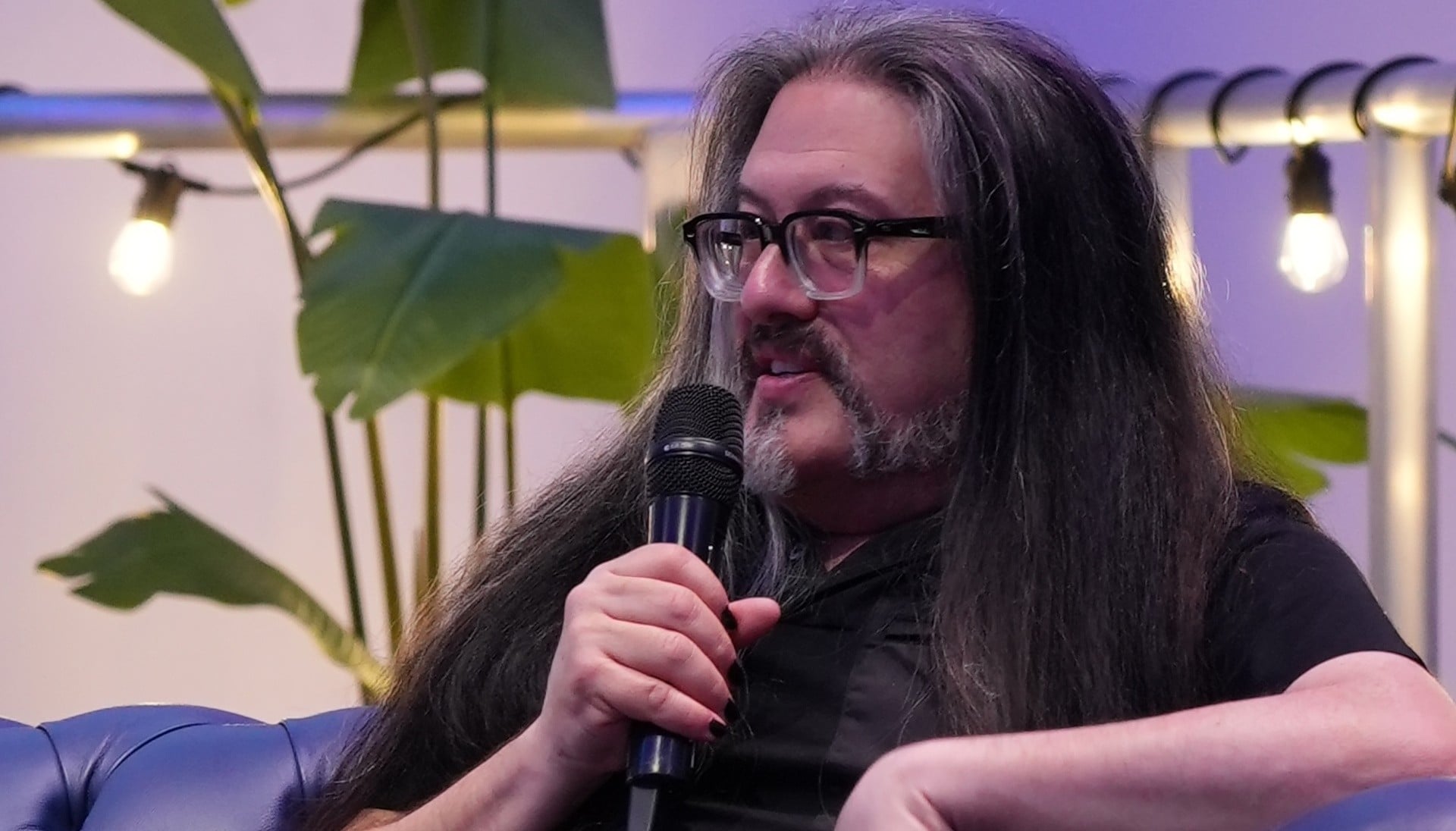
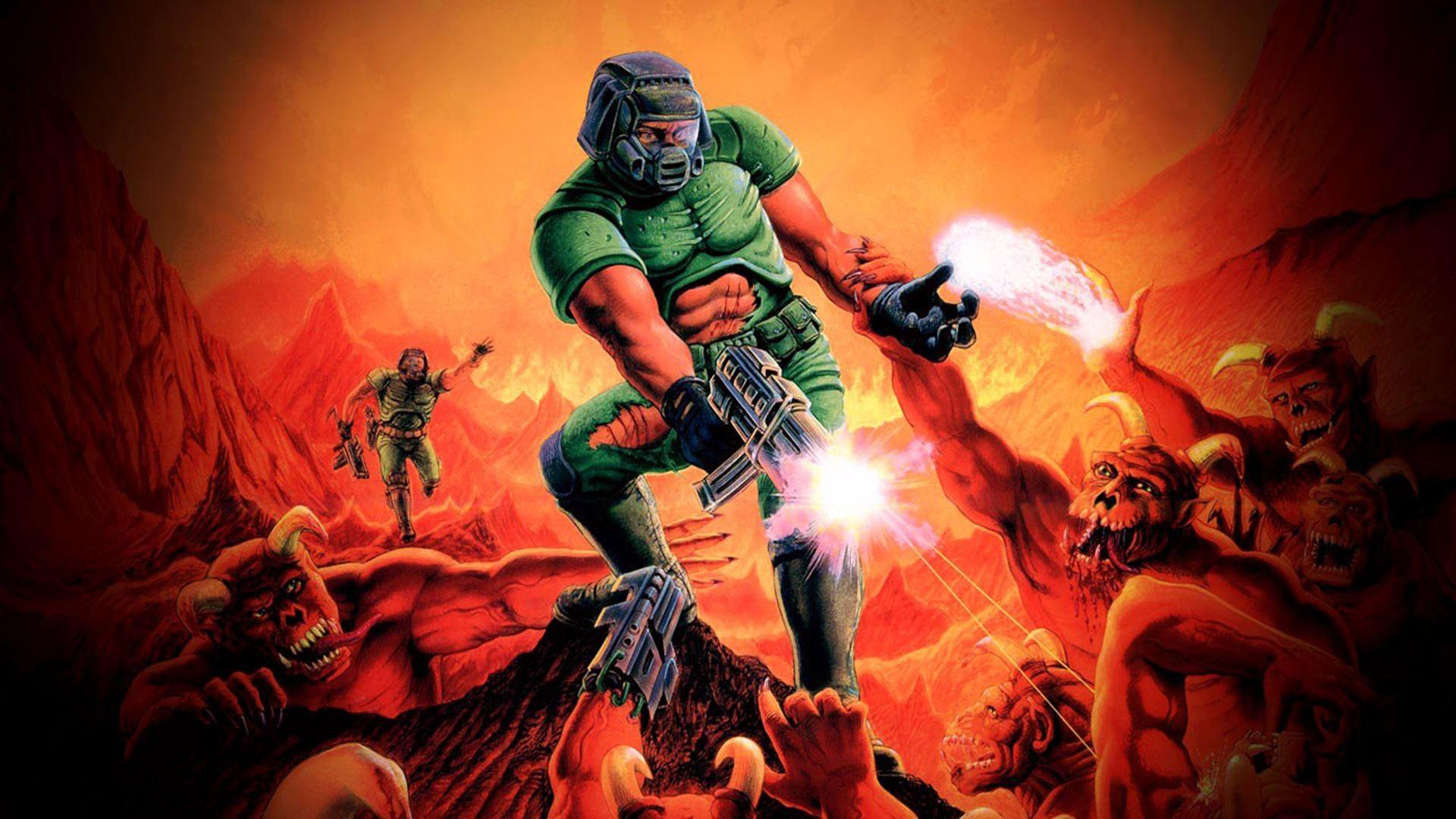
Romero — co‑founder of id Software and a central figure behind early PC classics such as Wolfenstein 3D (1992) and Doom (1993) — laid out his perspective in a recent interview, tracing the shift from physical retail and shareware to storefronts like Steam and mobile platforms.
Romero noted that distribution used to be the hardest part of shipping a game.
In plain terms he said that back then developers needed physical media and retail placement to reach audiences, which created a substantial barrier.
He pointed to the advent of digital storefronts — platforms such as Valve’s Steam (launched in 2003) and mobile app stores for Android — as lowering that barrier and democratizing publishing.
At the same time, Romero emphasized that easier access increases competition.
He described how modern events and promotions bring an influx of demos and prototypes to storefronts, and observed that some of that volume includes low‑quality or quickly produced content.
Paraphrasing his warning: because anyone can upload a title, standing out requires a level of design and polish that wasn’t optional in the past.
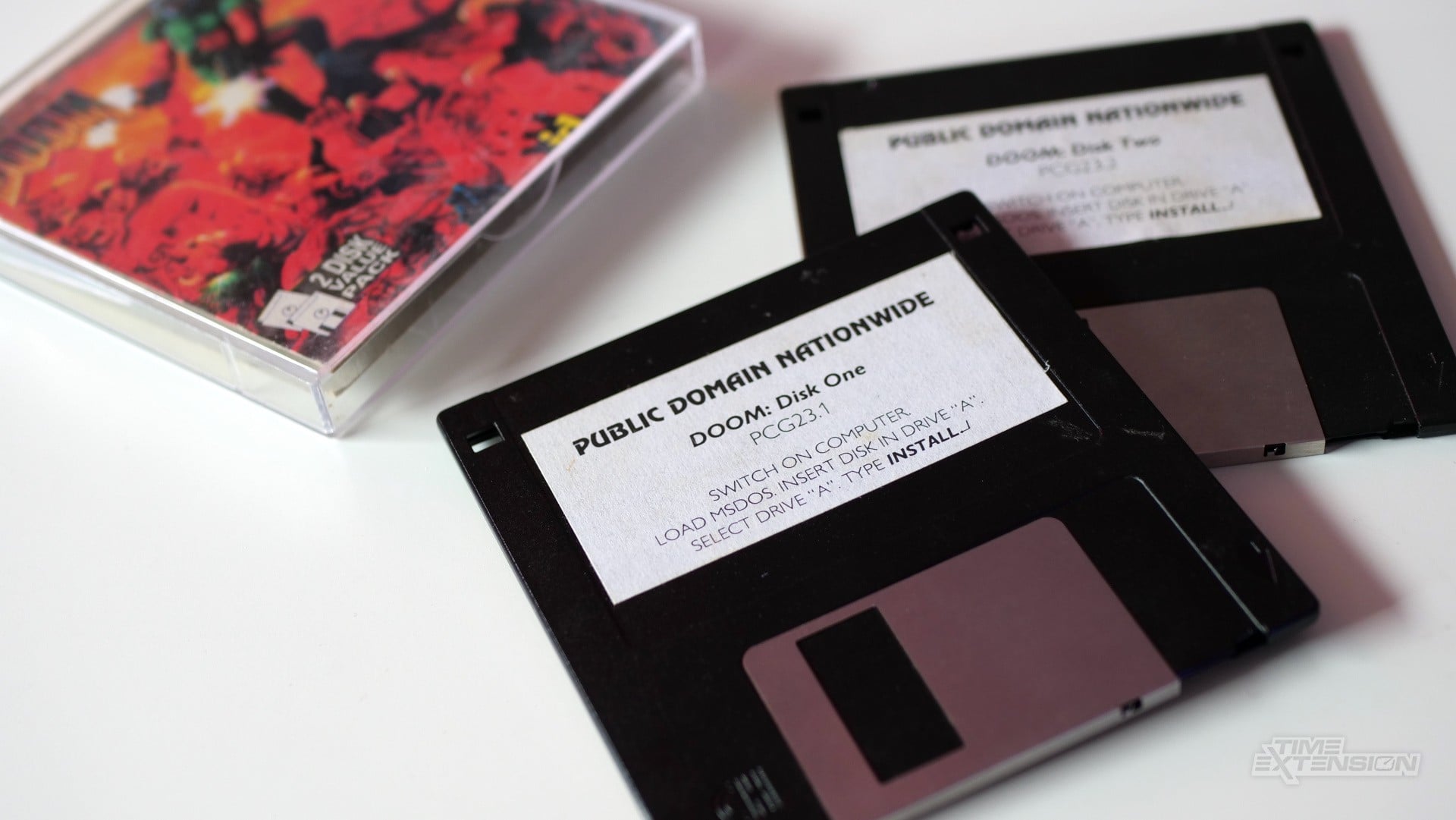
Romero also recalled the shareware era that helped drive id Software’s early growth.
Shareware allowed players to sample a portion of a game via bulletin board systems (BBS) and other early online channels; if they liked it they could pay to receive the full product.
That model helped id reach players before wider retail deals and partnerships with publishers like Apogee.
For developers seeking visibility today, Romero advised focusing first on making a strong, complete product, then using networking and showcase opportunities to get noticed.
He recommended enrolling in indie game festivals and demo events, and relying on community discussion and word‑of‑mouth as primary forms of promotion: ‘‘If it’s good and people like it, they will want to talk about it,’’ he said in the interview.
The shift to digital affects every platform — from Steam and mobile app stores to console marketplaces such as Nintendo’s eShop for Nintendo Switch and Nintendo’s digital showcases like Nintendo Direct.
While distribution is less of a gatekeeper than it once was, Romero’s takeaway is clear: the tools to make games are widely available, but quality and community engagement remain the key differentiators for developers in 2024.