

Famitsu's latest weekly sales report offers a clear snapshot of Japan's gaming market in the wake of the Nintendo Switch price adjustment that took effect on 25 May.
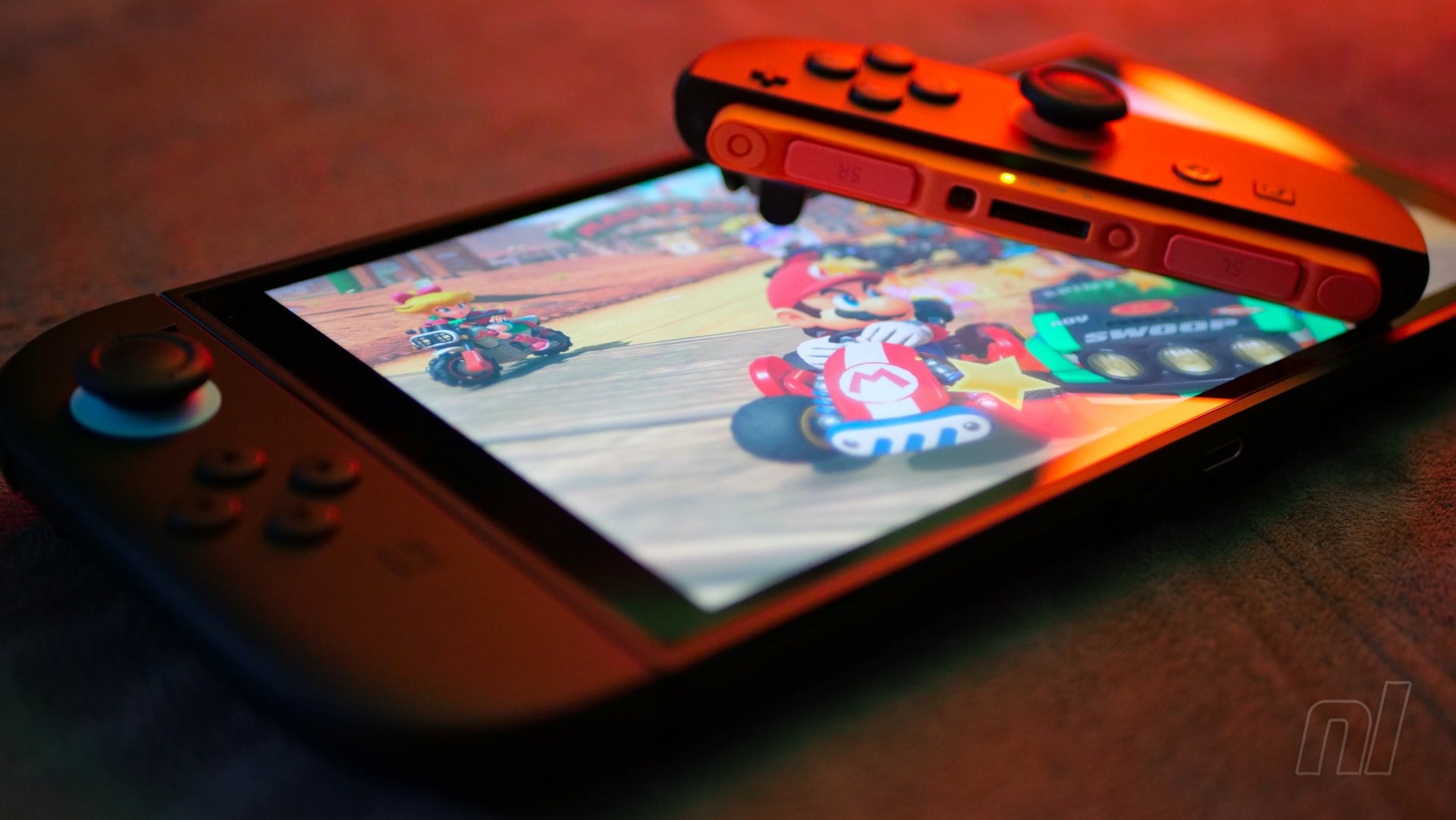
The updated charts show a notable split: software momentum for long-running Switch titles remains strong, while hardware sales for both Switch 1 and Switch 2 declined sharply in the first tracking week after the change.
Top-line software figures place Tomodachi Life: Living the Dream at number one for the period, with 52,483 units sold during the week and a lifetime total of 1,259,031.
Famitsu's data also records a strong showing for 007 First Light on PS5, which debuted at number two with 20,690 units.
Other notable entries include Pokémon Pokopia on Switch 2 (14,122 units, lifetime 1,038,407), Mario Kart World on Switch 2 (5,865 units, lifetime 2,958,073), and Minecraft on Switch (3,480 units, lifetime 4,214,562).
AQUAPLUS' Utawarerumono: Past and Present Rediscovered launched on both PS5 and Switch 2 during the week, entering the charts at fifth (PS5, 6,225 units) and ninth (Switch 2, 2,863 units).
Demon Kill Demon: Yomi 1984 made its first chart appearance at seventh with 3,719 units sold on Switch.
Rewritten statement for clarity: Famitsu observed that existing Switch owners continued to purchase Tomodachi Life in significant numbers despite the price increase.
Nintendo Life characterized the subsequent decline in weekly Switch hardware sales as steep and immediate following the 25 May price adjustment.
Hardware figures in the same Famitsu report underscore that shift.
Switch 2 led console sales for the week with 31,751 units, bringing its lifetime total to 5,865,213.
By contrast, the Switch OLED posted 4,162 units (lifetime 9,585,830), and the Switch Lite sold 1,810 units (lifetime 6,972,953).
Combined PlayStation 5 models outpaced individual Switch SKUs for the week, with PlayStation 5 Digital Edition at 6,527 units and PlayStation 5 Pro at 1,479 units.
These verified Famitsu figures provide an authoritative view of market reaction in Japan: software demand for established Switch releases remains resilient, while first-week hardware shipments registered a significant drop in the immediate aftermath of Nintendo's price revision on 25 May.
The updated charts show a notable split: software momentum for long-running Switch titles remains strong, while hardware sales for both Switch 1 and Switch 2 declined sharply in the first tracking week after the change.
Top-line software figures place Tomodachi Life: Living the Dream at number one for the period, with 52,483 units sold during the week and a lifetime total of 1,259,031.
Famitsu's data also records a strong showing for 007 First Light on PS5, which debuted at number two with 20,690 units.
Other notable entries include Pokémon Pokopia on Switch 2 (14,122 units, lifetime 1,038,407), Mario Kart World on Switch 2 (5,865 units, lifetime 2,958,073), and Minecraft on Switch (3,480 units, lifetime 4,214,562).
AQUAPLUS' Utawarerumono: Past and Present Rediscovered launched on both PS5 and Switch 2 during the week, entering the charts at fifth (PS5, 6,225 units) and ninth (Switch 2, 2,863 units).
Demon Kill Demon: Yomi 1984 made its first chart appearance at seventh with 3,719 units sold on Switch.
Rewritten statement for clarity: Famitsu observed that existing Switch owners continued to purchase Tomodachi Life in significant numbers despite the price increase.
Nintendo Life characterized the subsequent decline in weekly Switch hardware sales as steep and immediate following the 25 May price adjustment.
Hardware figures in the same Famitsu report underscore that shift.
Switch 2 led console sales for the week with 31,751 units, bringing its lifetime total to 5,865,213.
By contrast, the Switch OLED posted 4,162 units (lifetime 9,585,830), and the Switch Lite sold 1,810 units (lifetime 6,972,953).
Combined PlayStation 5 models outpaced individual Switch SKUs for the week, with PlayStation 5 Digital Edition at 6,527 units and PlayStation 5 Pro at 1,479 units.
These verified Famitsu figures provide an authoritative view of market reaction in Japan: software demand for established Switch releases remains resilient, while first-week hardware shipments registered a significant drop in the immediate aftermath of Nintendo's price revision on 25 May.