The latest Japanese boxed video game software and hardware sales figures for the week of February 9th to February 15th, 2026, have been released, offering a clear snapshot of the region's gaming trends and consumer preferences. Topping hardware sales for yet another week, the Nintendo Switch 2 continued its momentum as the best-selling console, moving an impressive 57,779 units and bolstering its already robust presence in the Japanese market. The Nintendo Switch family in total, encompassing models such as the OLED and Lite, collectively added 26,481 units to the tally, underlining the ongoing popularity of Nintendo’s platform ecosystem.
On the software front, SEGA’s latest title, Yakuza Kiwami 3 & Dark Ties, made a substantial impact by debuting as the best-selling game across Japan, with the PlayStation 5 version leading the charge at 58,171 units sold. This strong performance on PlayStation platforms underscores both the ongoing appeal of the Yakuza franchise and SEGA’s strategic focus on cross-generation releases.
Nintendo, however, delivered a noteworthy highlight within its own catalog. Mario Tennis Fever, freshly launched for the Nintendo Switch 2, made a remarkable debut with 39,522 units sold in its first week—an impressive feat that reinforces the enduring appeal of Mario franchise spin-offs and Nintendo’s consistent ability to create hit sports titles. Meanwhile, Square Enix’s Dragon Quest VII Reimagined continued to perform well across multiple formats, selling 32,102 units on the legacy Nintendo Switch hardware and 23,617 units on Switch 2, bringing its lifetime total across Switch platforms to well over 393,000 units. The PlayStation 5 version of Dragon Quest VII Reimagined also contributed 11,800 units, showcasing the broad appeal of high-profile JRPG remakes in the Japanese market.
Other significant titles in the top ten include long-running favorites such as Mario Kart World for Switch 2, which added 9,473 units to its staggering lifetime total of nearly 2.83 million, and Animal Crossing: New Horizons on Nintendo Switch, still posting strong numbers years after release with 7,265 units and a cumulative 8,377,788 sold in Japan.
Turning to hardware, the Nintendo Switch OLED Model maintained sturdy sales with 20,226 units. Meanwhile, PlayStation 5 hardware split between the Digital Edition (6,341 units), standard PlayStation 5 (3,562 units), and the PlayStation 5 Pro (1,685 units), rounding out Sony’s continued competition. Xbox hardware remained a distant competitor in this region, with Xbox Series X Digital Edition shifting 646 units and Series S posting 97 units.
These results not only reinforce Nintendo’s dominating presence in Japan’s console space but also speak to consumer loyalty for legacy content and major franchises. As software launches like Mario Tennis Fever inject fresh energy into the platform, and perennial sellers like Animal Crossing sustain engagement, Nintendo is poised to maintain its leading role in the Japanese games market. Following strong new entries and enduring favorites, the Nintendo Switch family—and especially the Switch 2—remain the platforms to watch in 2026.
Nintendo Switch 2 Tops Japanese Hardware Sales as Mario Tennis Fever Debuts Strongly
Nintendo News Hub

Game Pages Mentioned In This Article
Use these Nintendo Switch game pages to keep exploring the titles connected to this story, including related genres, developers, screenshots, and more coverage.
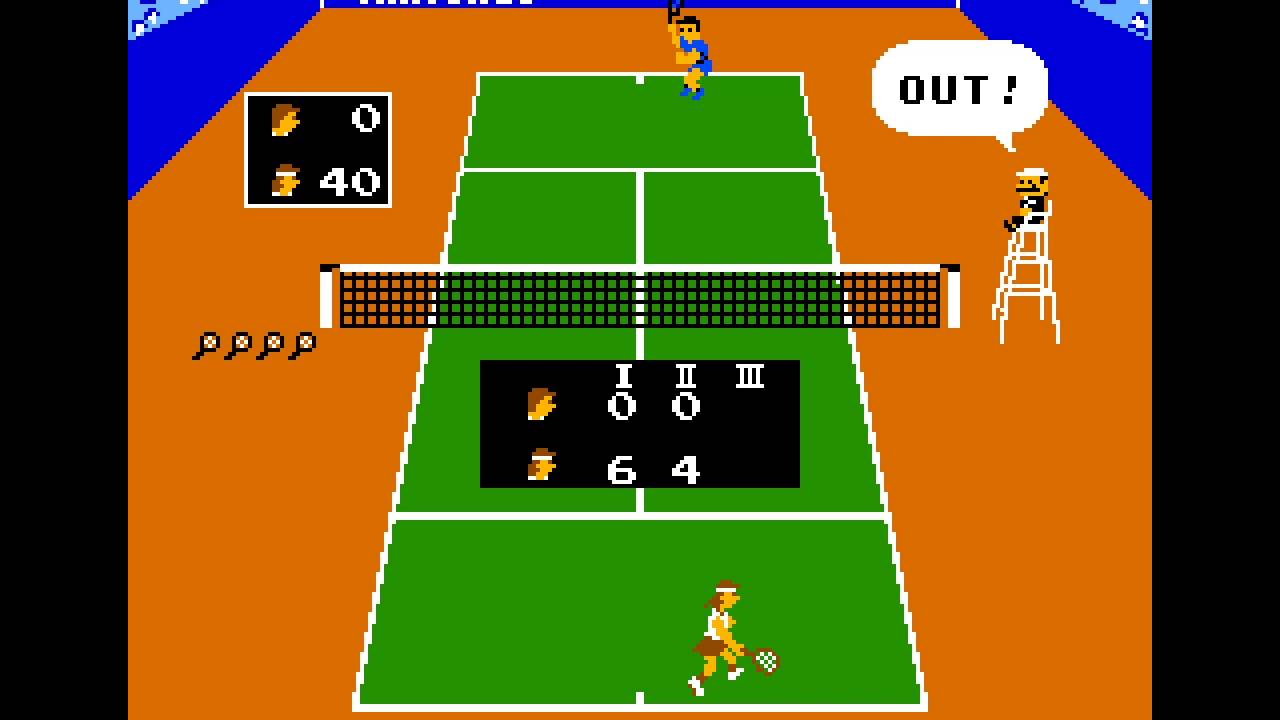
Tennis
Nintendo · Sports · 1984
View game page
Mario Tennis Fever
Camelot · Sports · 2026
View game page
Yakuza Kiwami 3 & Dark Ties
Action · 2026
View game page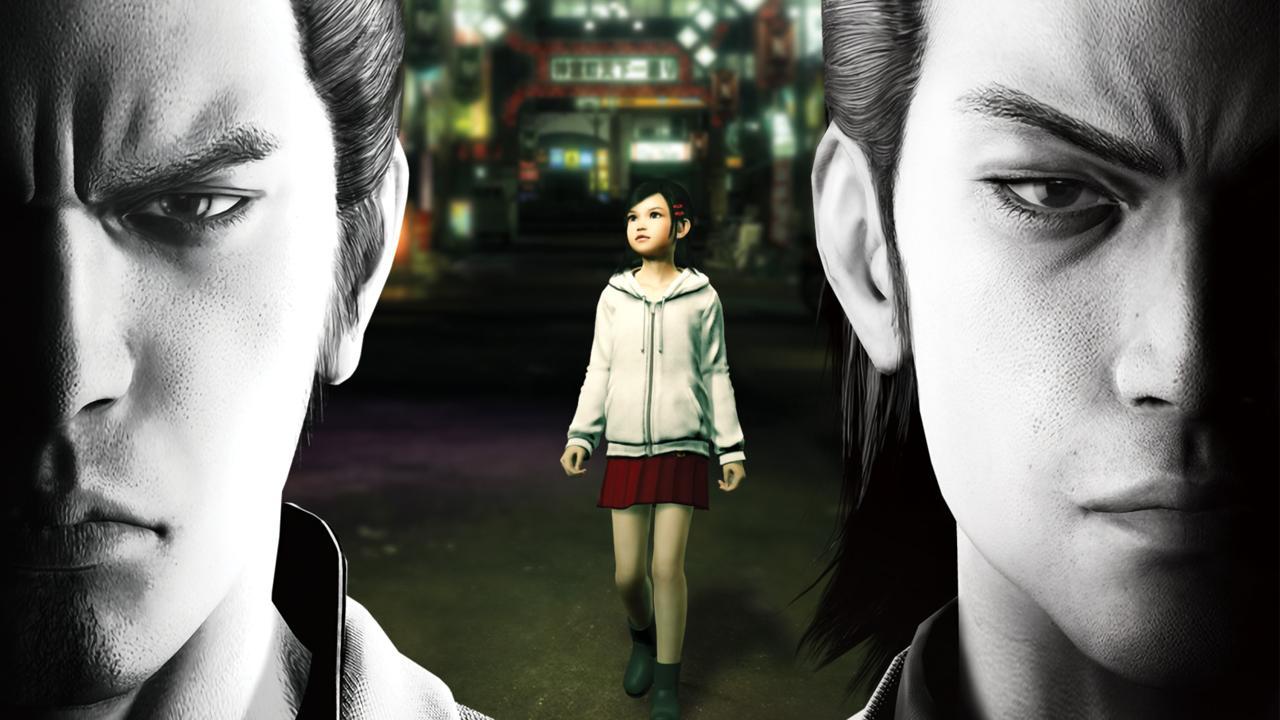
Yakuza Kiwami
Ryu ga Gotoku Studio · Action · 2016
View game page
Mario Kart World
Nintendo · Action · 2025
View game page
Dragon Quest VII Reimagined
Square Enix · RPG · 2026
View game pageRelated Topics
Explore more articles about these topics:
Source: MyNintendoNews


