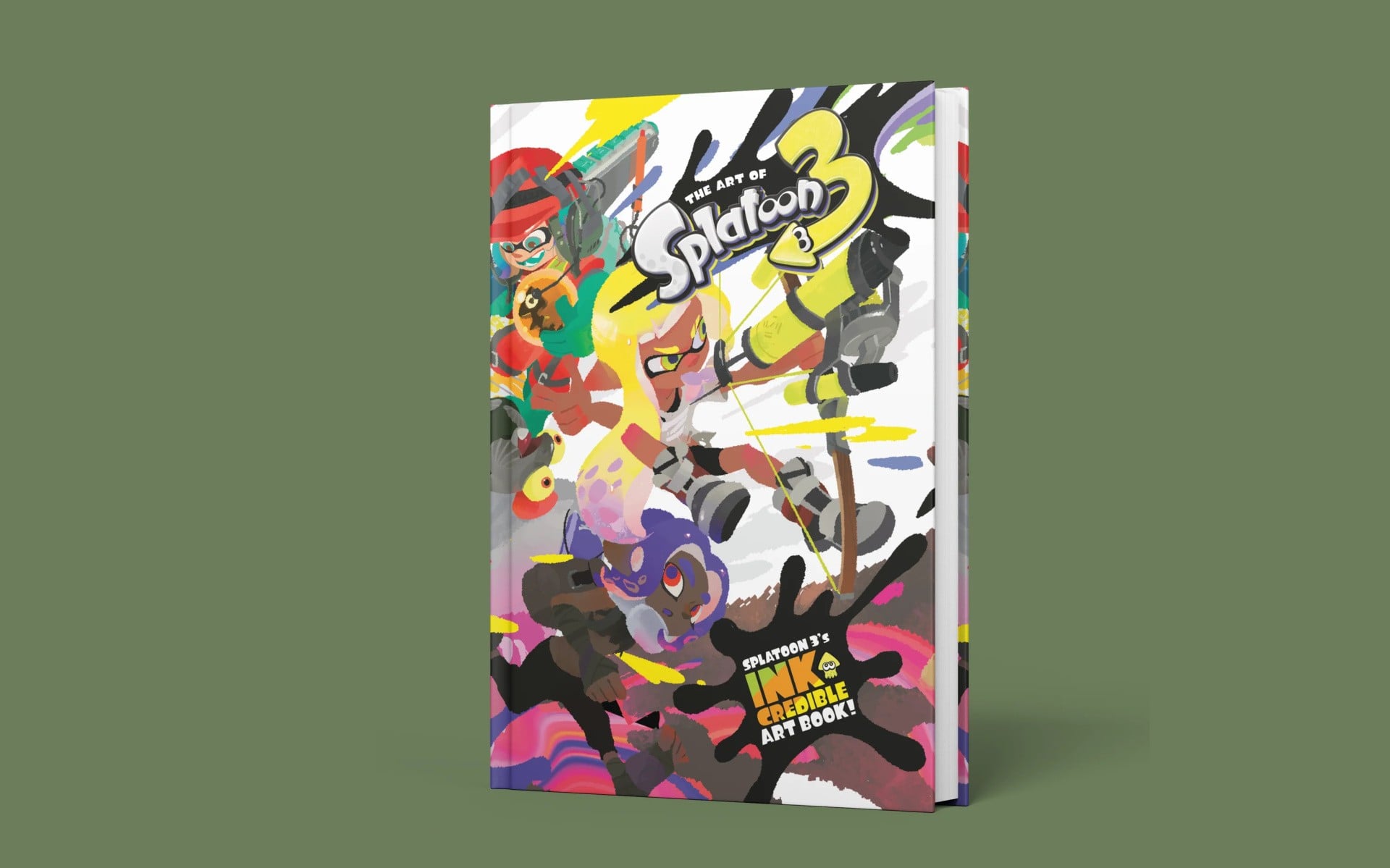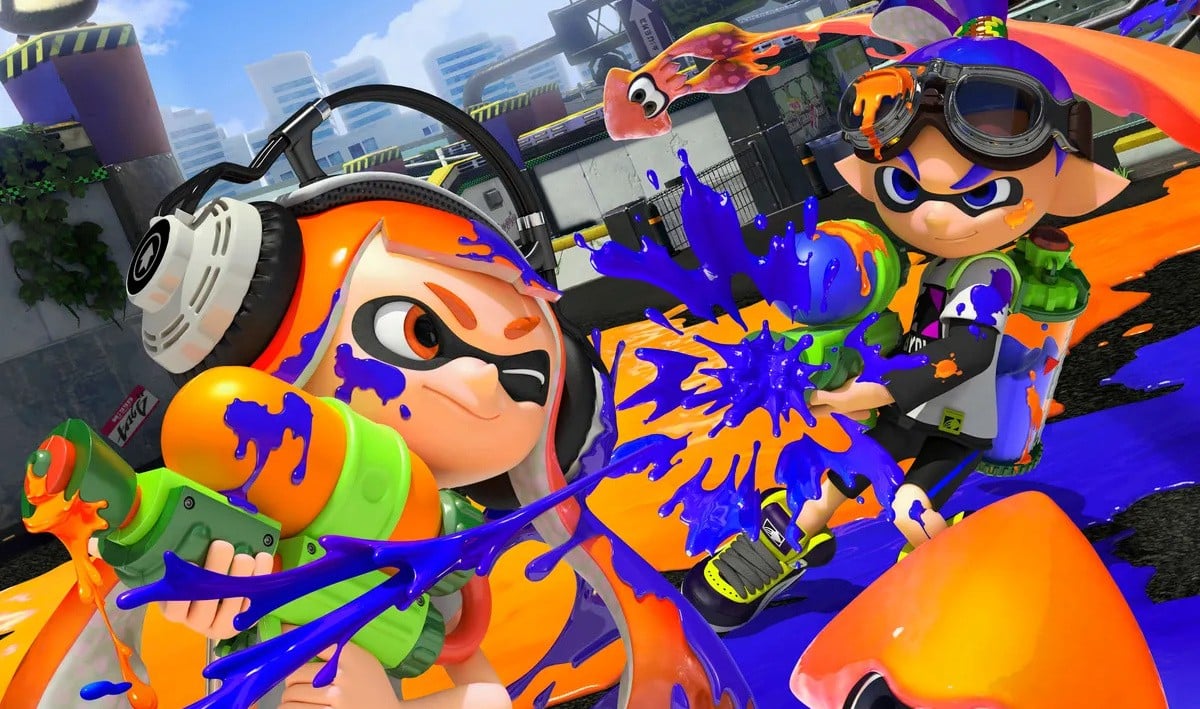
Since its debut on the Wii U in 2015, Splatoon has quickly become a core franchise for Nintendo, attracting millions of fans to its vibrant, fast-paced world where evolved sea creatures settle scores with paint-splattering weaponry.
Yet, few know that long before Splatoon redefined family-friendly shooters, Nintendo was involved in a similar but ultimately canceled project for its ill-fated Nintendo 64 disk add-on, the 64DD.
This fascinating, little-known chapter in Nintendo's history was recently brought to light through an in-depth interview with Australian programmer Richard Honeywood, shedding new light on the company's game development process and the influence of iconic figures like Satoru Iwata and Shigeru Miyamoto.
The lost project dates back to the late 1990s, when a group of Raiden series veterans formed Digital Eden after departing Seibu Kaihatsu.
With Nintendo seeking novel experiences to showcase the 64DD, Digital Eden, under the direct supervision of Iwata (then president of Hal Laboratory, not yet Nintendo's global president), began prototyping various game concepts.
According to Honeywood, Nintendo provided a unique second-party partnership, exclusively funding development for Nintendo platforms and lending technical support via Iwata himself.
"Back then, we weren't a traditional third party," Honeywood explained.
"Nintendo funded our work and gave us a level of tech support, mostly through Iwata-san's involvement.
The directive was to create a launch title for the new 64DD—effectively the Nintendo 64's answer to the Famicom Disk System—though initially, we had limited access to actual hardware, working instead on Silicon Graphics workstations emulating the system."
This collaboration, however, proved challenging.
As Honeywood revealed, both Iwata and design legend Miyamoto were intensely demanding about quality and innovation.
"The feedback on our game pitches would be blunt—told simply to start again from scratch if they didn't meet expectations," Honeywood recalled.
"Sometimes, Miyamoto would mention liking a particular element but expect the rest to be overhauled." Despite their new studio's desire to avoid repeating the shooting template of Raiden, Nintendo's feedback often nudged them back toward familiar territory.
After numerous iterations, the most promising prototype from Digital Eden was a spirited, family-friendly shooter featuring children engaged in lively water balloon battles.
The game eschewed violence in favor of playful, interactive fun: paper hats served as armor, water pistols and balloons as weapons, and players' defenses eroded as their hats soaked through.
"The concept was having kids in handmade pirate hats, dashing around forts, flinging water balloons, and soaking each other with water pistols," Honeywood described.
The team even went so far as to analyze real-life throwing motions to perfect the animation.
Despite the project's inventive gameplay and alignment with Nintendo's philosophy of accessible, non-violent competition, the development faced persistent obstacles.
Nintendo insisted that the game target the 64DD platform—then unproven in the market—and remained unsatisfied with Digital Eden's proposals.
After two years of exhaustive effort and unwavering expectations, many team members, disillusioned by the lack of progress and creative constraints, moved on to other opportunities.
Honeywood himself transitioned to Square, where he played a key role in establishing the company's localization department in the late 1990s.
Although this water-fight title never saw release, its legacy foreshadows the later success of Splatoon on the Wii U and Nintendo Switch.
The rediscovery of this story, guided by Honeywood's first-hand account, underscores both Nintendo's relentless pursuit of perfection and its role as an incubator of playful ideas that sometimes emerge years—even decades—later in new forms.
As gamers continue to enjoy Splatoon's fresh take on multiplayer shooters, it's clear that Nintendo's experimental spirit remains an essential part of its DNA.
Yet, few know that long before Splatoon redefined family-friendly shooters, Nintendo was involved in a similar but ultimately canceled project for its ill-fated Nintendo 64 disk add-on, the 64DD.
This fascinating, little-known chapter in Nintendo's history was recently brought to light through an in-depth interview with Australian programmer Richard Honeywood, shedding new light on the company's game development process and the influence of iconic figures like Satoru Iwata and Shigeru Miyamoto.
The lost project dates back to the late 1990s, when a group of Raiden series veterans formed Digital Eden after departing Seibu Kaihatsu.
With Nintendo seeking novel experiences to showcase the 64DD, Digital Eden, under the direct supervision of Iwata (then president of Hal Laboratory, not yet Nintendo's global president), began prototyping various game concepts.
According to Honeywood, Nintendo provided a unique second-party partnership, exclusively funding development for Nintendo platforms and lending technical support via Iwata himself.
"Back then, we weren't a traditional third party," Honeywood explained.
"Nintendo funded our work and gave us a level of tech support, mostly through Iwata-san's involvement.
The directive was to create a launch title for the new 64DD—effectively the Nintendo 64's answer to the Famicom Disk System—though initially, we had limited access to actual hardware, working instead on Silicon Graphics workstations emulating the system."
This collaboration, however, proved challenging.
As Honeywood revealed, both Iwata and design legend Miyamoto were intensely demanding about quality and innovation.
"The feedback on our game pitches would be blunt—told simply to start again from scratch if they didn't meet expectations," Honeywood recalled.
"Sometimes, Miyamoto would mention liking a particular element but expect the rest to be overhauled." Despite their new studio's desire to avoid repeating the shooting template of Raiden, Nintendo's feedback often nudged them back toward familiar territory.
After numerous iterations, the most promising prototype from Digital Eden was a spirited, family-friendly shooter featuring children engaged in lively water balloon battles.
The game eschewed violence in favor of playful, interactive fun: paper hats served as armor, water pistols and balloons as weapons, and players' defenses eroded as their hats soaked through.
"The concept was having kids in handmade pirate hats, dashing around forts, flinging water balloons, and soaking each other with water pistols," Honeywood described.
The team even went so far as to analyze real-life throwing motions to perfect the animation.
Despite the project's inventive gameplay and alignment with Nintendo's philosophy of accessible, non-violent competition, the development faced persistent obstacles.
Nintendo insisted that the game target the 64DD platform—then unproven in the market—and remained unsatisfied with Digital Eden's proposals.
After two years of exhaustive effort and unwavering expectations, many team members, disillusioned by the lack of progress and creative constraints, moved on to other opportunities.
Honeywood himself transitioned to Square, where he played a key role in establishing the company's localization department in the late 1990s.
Although this water-fight title never saw release, its legacy foreshadows the later success of Splatoon on the Wii U and Nintendo Switch.
The rediscovery of this story, guided by Honeywood's first-hand account, underscores both Nintendo's relentless pursuit of perfection and its role as an incubator of playful ideas that sometimes emerge years—even decades—later in new forms.
As gamers continue to enjoy Splatoon's fresh take on multiplayer shooters, it's clear that Nintendo's experimental spirit remains an essential part of its DNA.