
The Legacy of Sega Ages 2500: Yosuke Okunari on the Development Struggles and Enduring Impact
The Sega Ages 2500 series stands as a testament to Sega’s enduring commitment to preserving its vast library of classic games. First launched in the mid-2000s, Sega Ages 2500 is a line of PlayStation 2 releases dedicated to bringing iconic SEGA arcade titles to home consoles. At the heart of these efforts lies the dedication of Yosuke Okunari, a prominent Sega producer whose passion for the company’s storied history has helped shape such projects for over two decades.
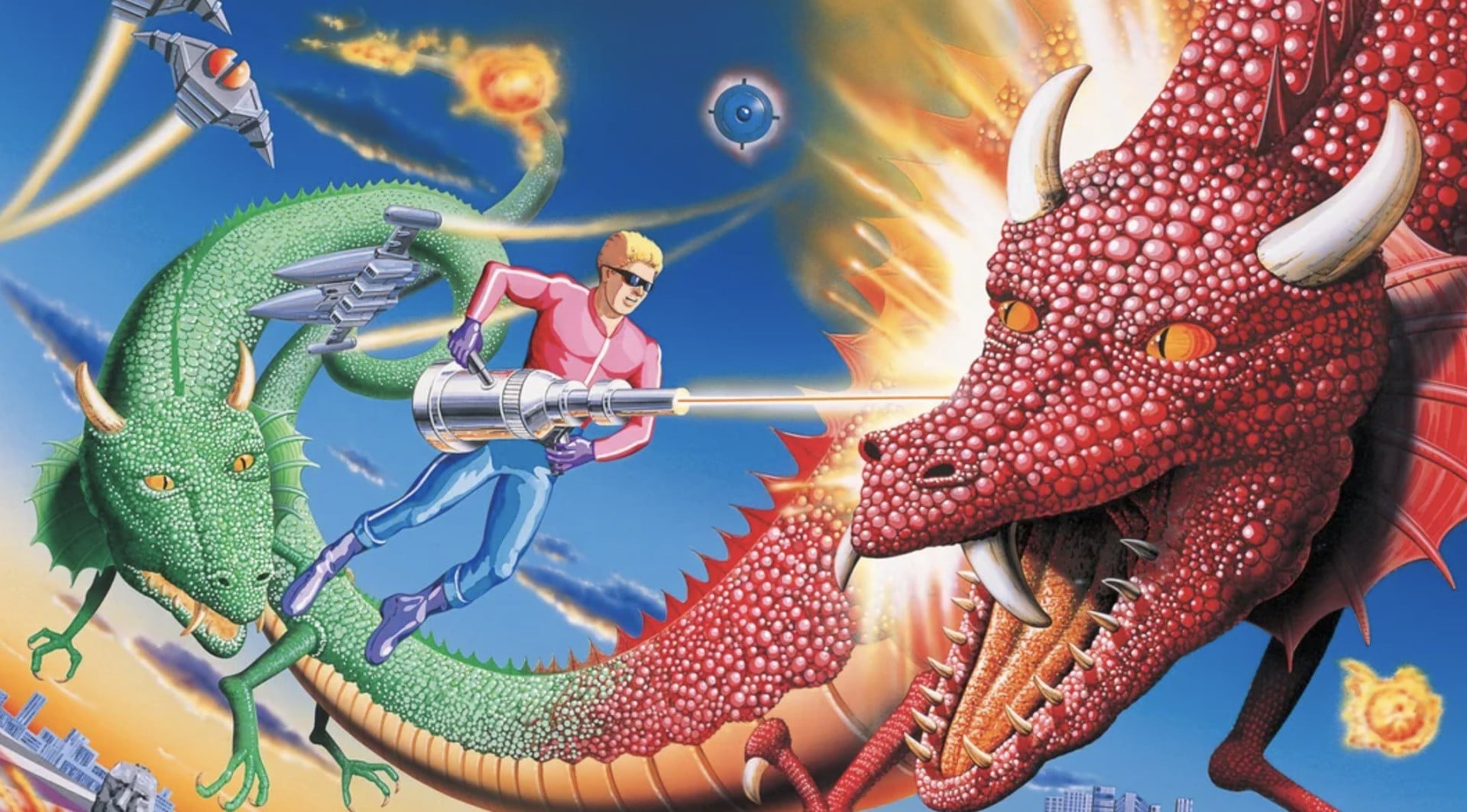
In a recent column for Beep Shop, Okunari offered rare insight into his early days working on the Sega Ages project. After Sega’s initial foray into reviving legacy titles on the Sega Saturn in 1996, the company turned to external partners for the PlayStation 2 edition. By 2004, this led Okunari to collaborate with the technical wizards at M2. Together, they launched two notable entries in 2005: Vol. 20: Space Harrier II – Space Harrier Complete Collection and Vol. 21: SDI & Quartet – Sega System 16 Collection.
Pioneering Features and High Ambitions
Okunari and M2 worked to elevate the standard for classic game ports, introducing innovative features like the patented “Parallel Play.” This unique functionality allowed players to instantly swap between the arcade and home console versions of a game, enabling direct comparison and a richer appreciation of SEGA’s development evolution. Okunari reflected that, despite its technical novelty, this feature saw minimal use among players.
The series’ name, Sega Ages 2500, highlighted its affordability, with each release priced at 2,500 Yen (about $15). Okunari recalled his initial optimism, driven by a belief that hard work alone would ensure the collection’s commercial success. Over time, he came to recognize his own youthful inexperience and noted that complex specifications and ambitious content ultimately put undue strain on both himself and development partners at M2.
Challenges in Development and Reception
Okunari admitted in his column that he overlooked the need for simplicity and pragmatism in a short-term, low-budget project. This mismatch between expansive goals and available resources led to project delays, with the volume and technical demands surpassing the scale originally intended. The impact was apparent at pre-release events, where reactions to titles such as SDI & Quartet were notably lukewarm. Attendees expressed confusion over unfamiliar titles and cited gameplay challenges, resulting in some of the lowest initial production numbers in the series.
Nevertheless, Okunari maintained hope for the Sega Ages line. He believed that the series, with its iterative release model, could find success over time, stating that positive post-launch reviews could help fuel repeat production runs.
Sega Ages Continues to Influence
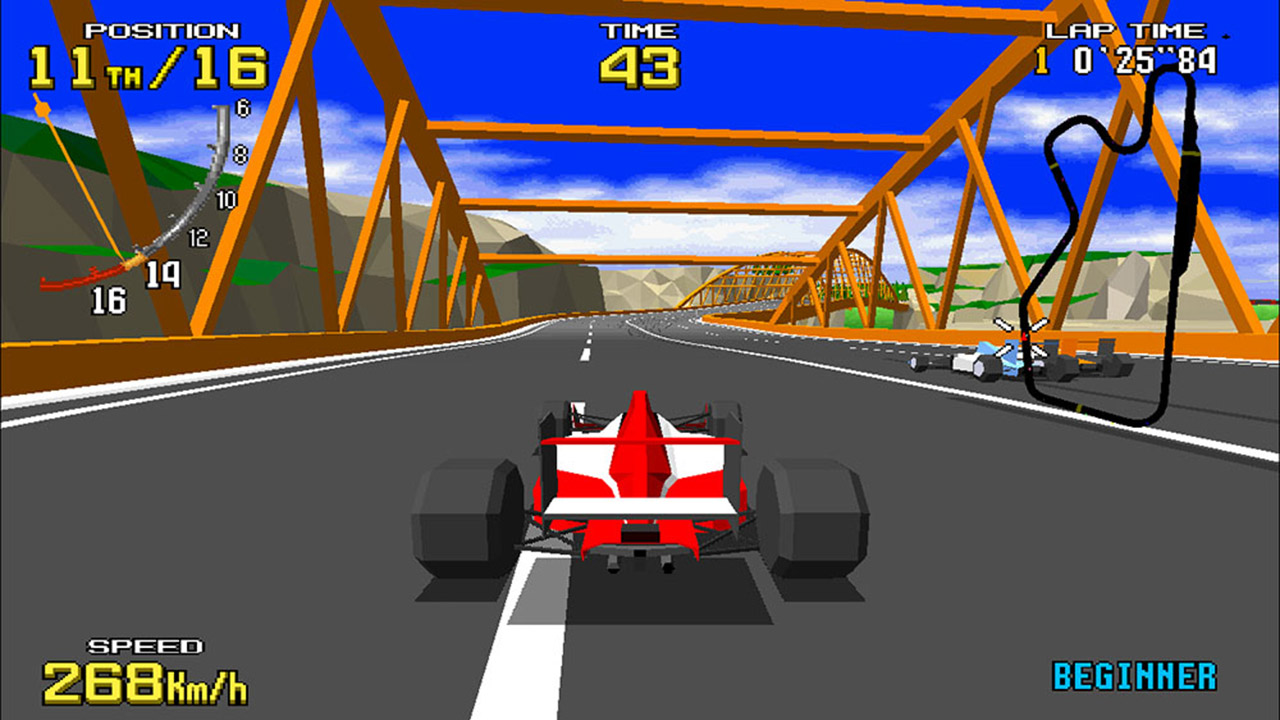
The spirit of Sega Ages 2500 endures today, influencing subsequent collections and ports. Recent SEGA AGES titles—such as Shinobi, Virtua Racing, Herzog Zwei, and Sonic the Hedgehog 2—have appeared on the Nintendo Switch eShop, further cementing the partnership between SEGA and M2. These releases underscore the ongoing appeal of retro gaming and the resilience of SEGA’s classic IPs in the modern era.
Yosuke Okunari’s candid reflections provide valuable perspective into the complexities of game preservation, the importance of scale in development cycles, and the lasting cultural value of reintroducing classic experiences to new generations. For more insights from Okunari, readers can explore his full columns available at Beep Shop.
Sega Ages 2500: Yosuke Okunari Reflects on the Challenges Behind a Cult Classic Series
Nintendo News Hub
Game Pages Mentioned In This Article
Use these Nintendo Switch game pages to keep exploring the titles connected to this story, including related genres, developers, screenshots, and more coverage.
Related Topics
Explore more articles about these topics:
Source: TimeExtension