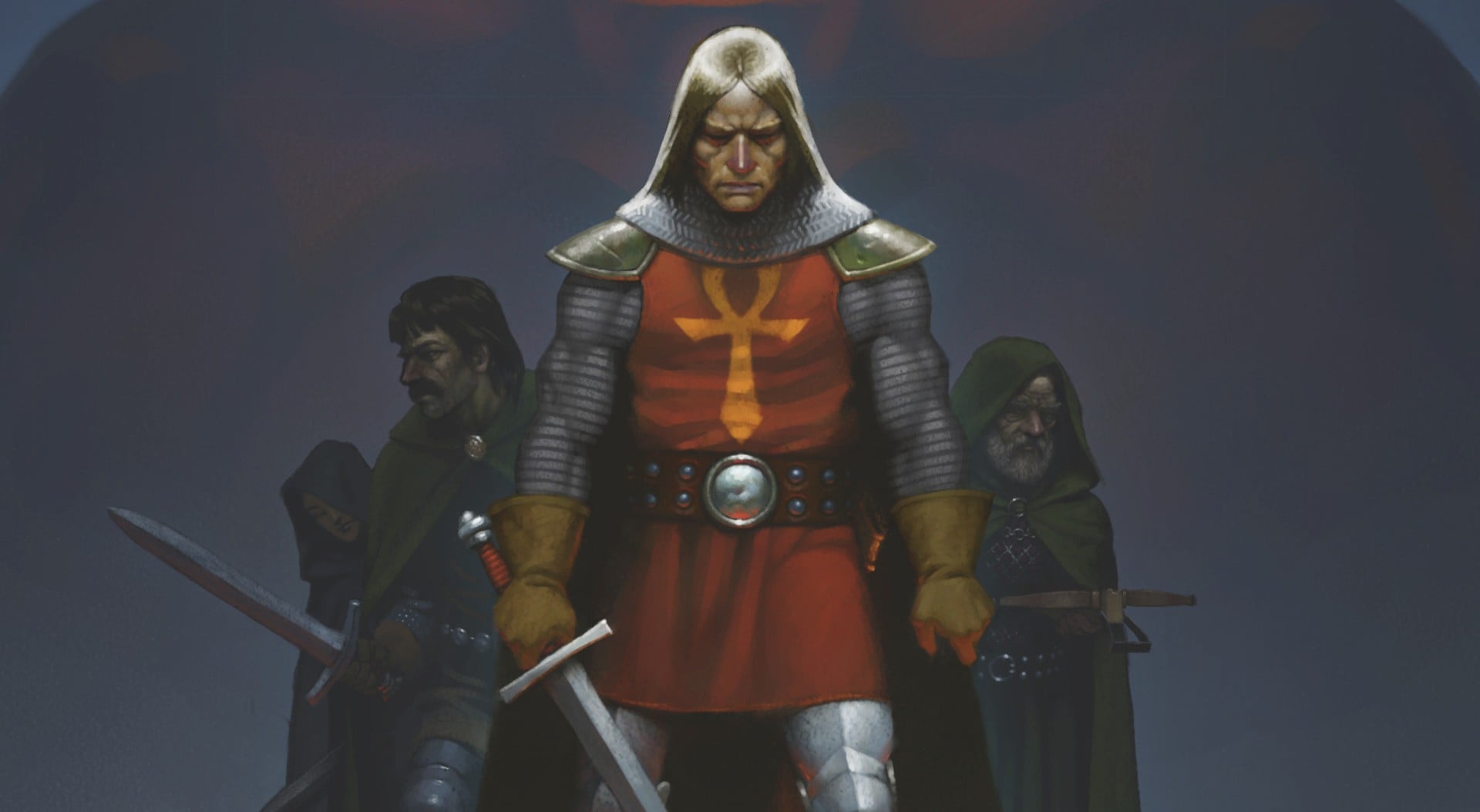
Ultima VII arrived on PC in 1992 and stands as one of Origin Systems' landmark role-playing games.
Created under the direction of Richard Garriott, the title (released as Ultima VII: The Black Gate, with the follow-up Serpent Isle arriving in 1993) pushed PC DOS–era hardware—commonly run on 386 and 486DX machines—to support a dense, interactive world.
Its scope, systems layering, and written content set a benchmark for open-world RPGs and remain reference points for designers and players alike.
Design and writing
Ultima VII combined a wide array of gameplay mechanics—open exploration, complex item interactions, and branching dialogue—into a coherent whole.
Lead writer Raymond Benson contributed to the game's narrative and, by his own account, also helped create one of its most memorable musical moments.
Writer Andrew Morris and the rest of the team focused on making Britannia feel alive through detailed non-player characters and extensive conversation trees.
In journalistic terms, Morris summarized the writing approach by saying Ultima VII employed a far more robust conversation system than previous entries, and the team used a character bible to eliminate repetitive traits while building deeper backstories and personalities across the game's population.
That deliberate structuring of characters and dialogue is a frequent explanation for why players report feeling immersed in what appears to be a persistent, living world.
Legacy and modern access
Ultima VII's legacy extends beyond nostalgia.
The open-ended design influenced later RPGs that prioritize environmental storytelling and NPC depth.
The Exult project, an open-source recreation of the Ultima VII engine, has ensured the game remains playable on modern operating systems—provided users own a legitimate copy of the original releases.
Additionally, GOG.com offers editions of Ultima VII for contemporary PCs, making legal access straightforward for new players and preservationists.
Context in today's market
While many classic RPGs have been remastered or ported to modern consoles—sometimes appearing on platforms like Nintendo Switch or distributed through digital storefronts such as the Nintendo eShop—Ultima VII's primary availability today is on PC through Exult-compatible copies and commercial storefronts like GOG.
For developers and commentators tracking RPG history, Ultima VII remains a touchstone for conversation systems, environmental detail, and the potential of player-driven exploration.
Created under the direction of Richard Garriott, the title (released as Ultima VII: The Black Gate, with the follow-up Serpent Isle arriving in 1993) pushed PC DOS–era hardware—commonly run on 386 and 486DX machines—to support a dense, interactive world.
Its scope, systems layering, and written content set a benchmark for open-world RPGs and remain reference points for designers and players alike.
Design and writing
Ultima VII combined a wide array of gameplay mechanics—open exploration, complex item interactions, and branching dialogue—into a coherent whole.
Lead writer Raymond Benson contributed to the game's narrative and, by his own account, also helped create one of its most memorable musical moments.
Writer Andrew Morris and the rest of the team focused on making Britannia feel alive through detailed non-player characters and extensive conversation trees.
In journalistic terms, Morris summarized the writing approach by saying Ultima VII employed a far more robust conversation system than previous entries, and the team used a character bible to eliminate repetitive traits while building deeper backstories and personalities across the game's population.
That deliberate structuring of characters and dialogue is a frequent explanation for why players report feeling immersed in what appears to be a persistent, living world.
Legacy and modern access
Ultima VII's legacy extends beyond nostalgia.
The open-ended design influenced later RPGs that prioritize environmental storytelling and NPC depth.
The Exult project, an open-source recreation of the Ultima VII engine, has ensured the game remains playable on modern operating systems—provided users own a legitimate copy of the original releases.
Additionally, GOG.com offers editions of Ultima VII for contemporary PCs, making legal access straightforward for new players and preservationists.
Context in today's market
While many classic RPGs have been remastered or ported to modern consoles—sometimes appearing on platforms like Nintendo Switch or distributed through digital storefronts such as the Nintendo eShop—Ultima VII's primary availability today is on PC through Exult-compatible copies and commercial storefronts like GOG.
For developers and commentators tracking RPG history, Ultima VII remains a touchstone for conversation systems, environmental detail, and the potential of player-driven exploration.