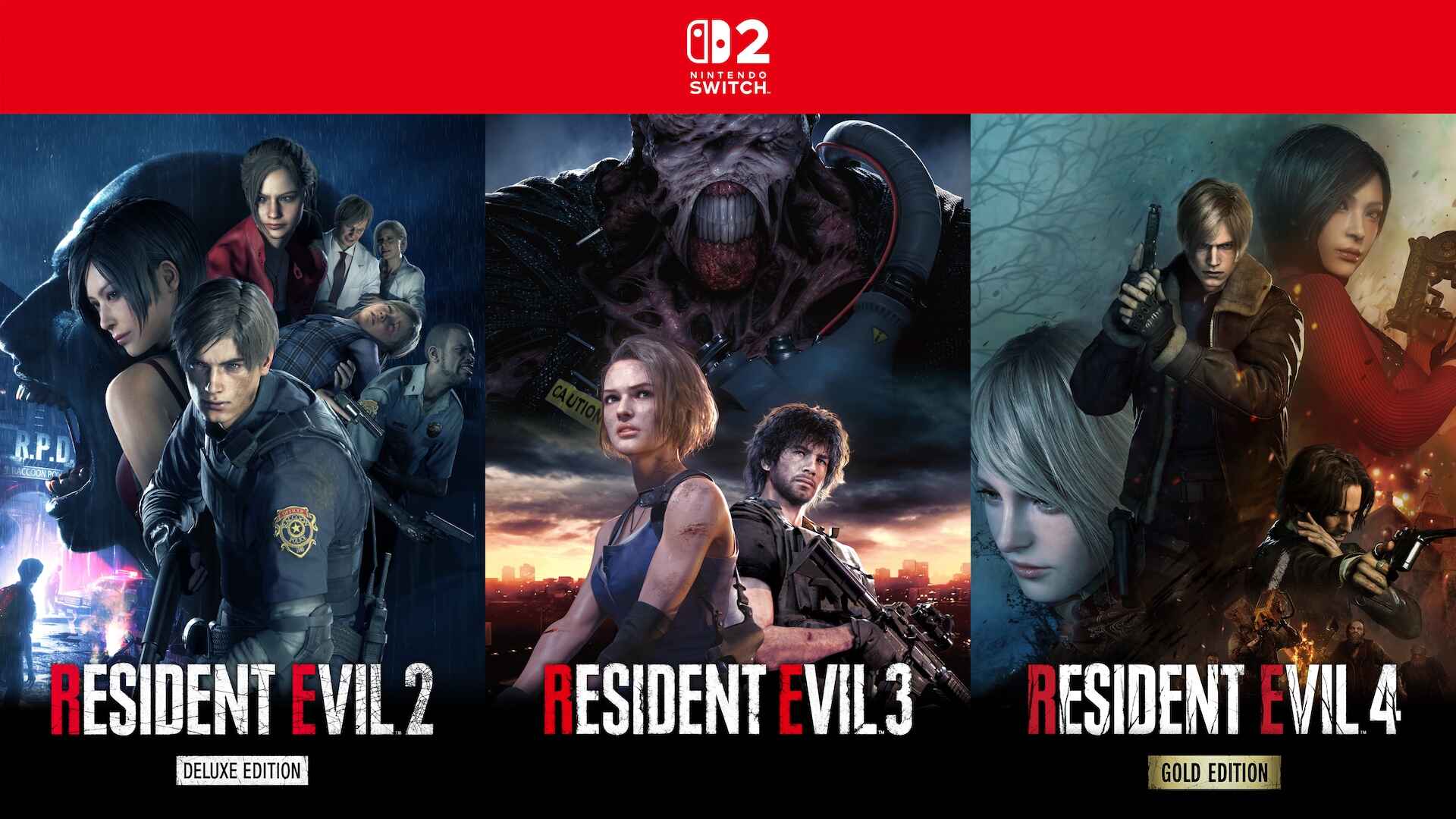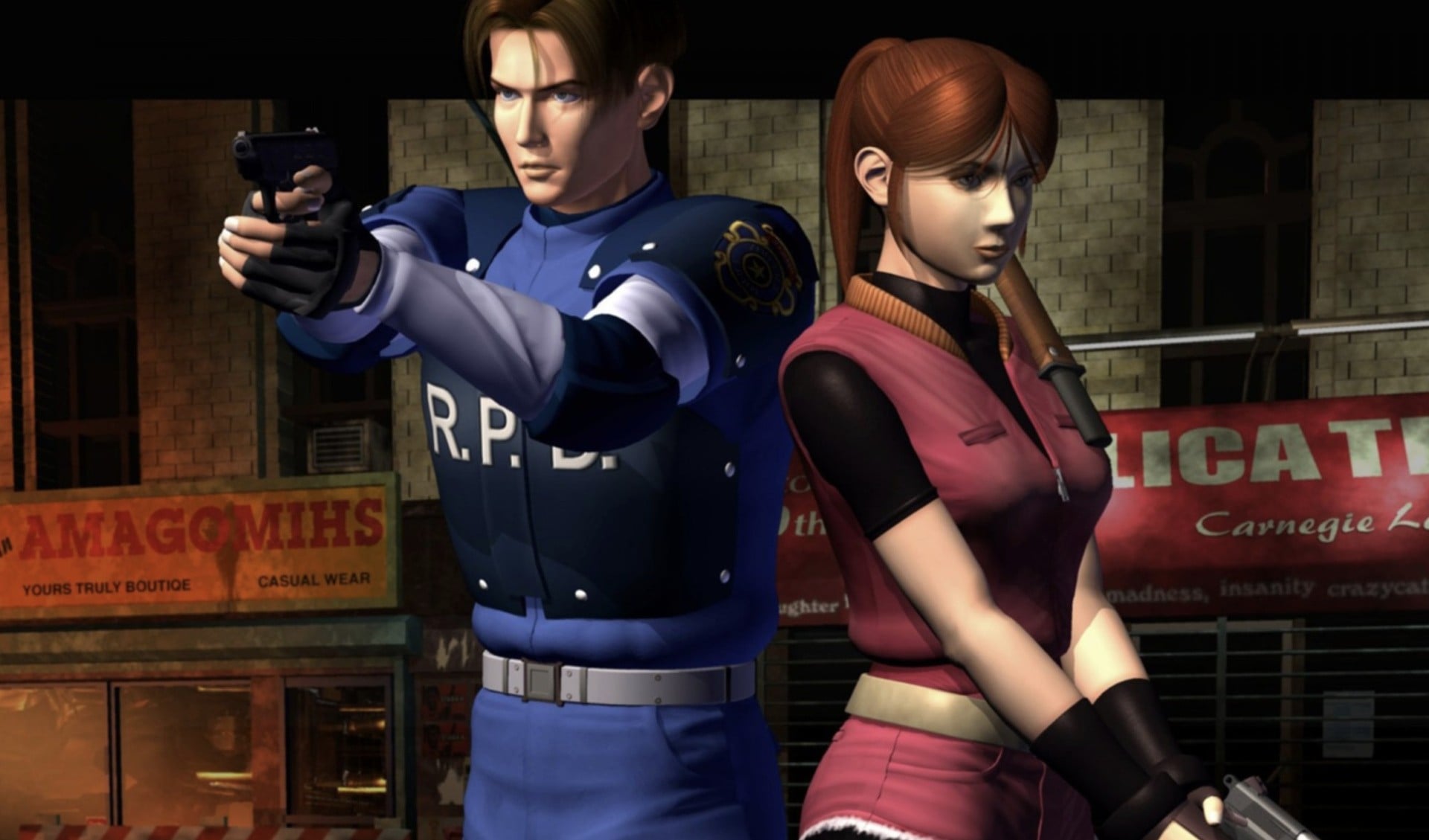
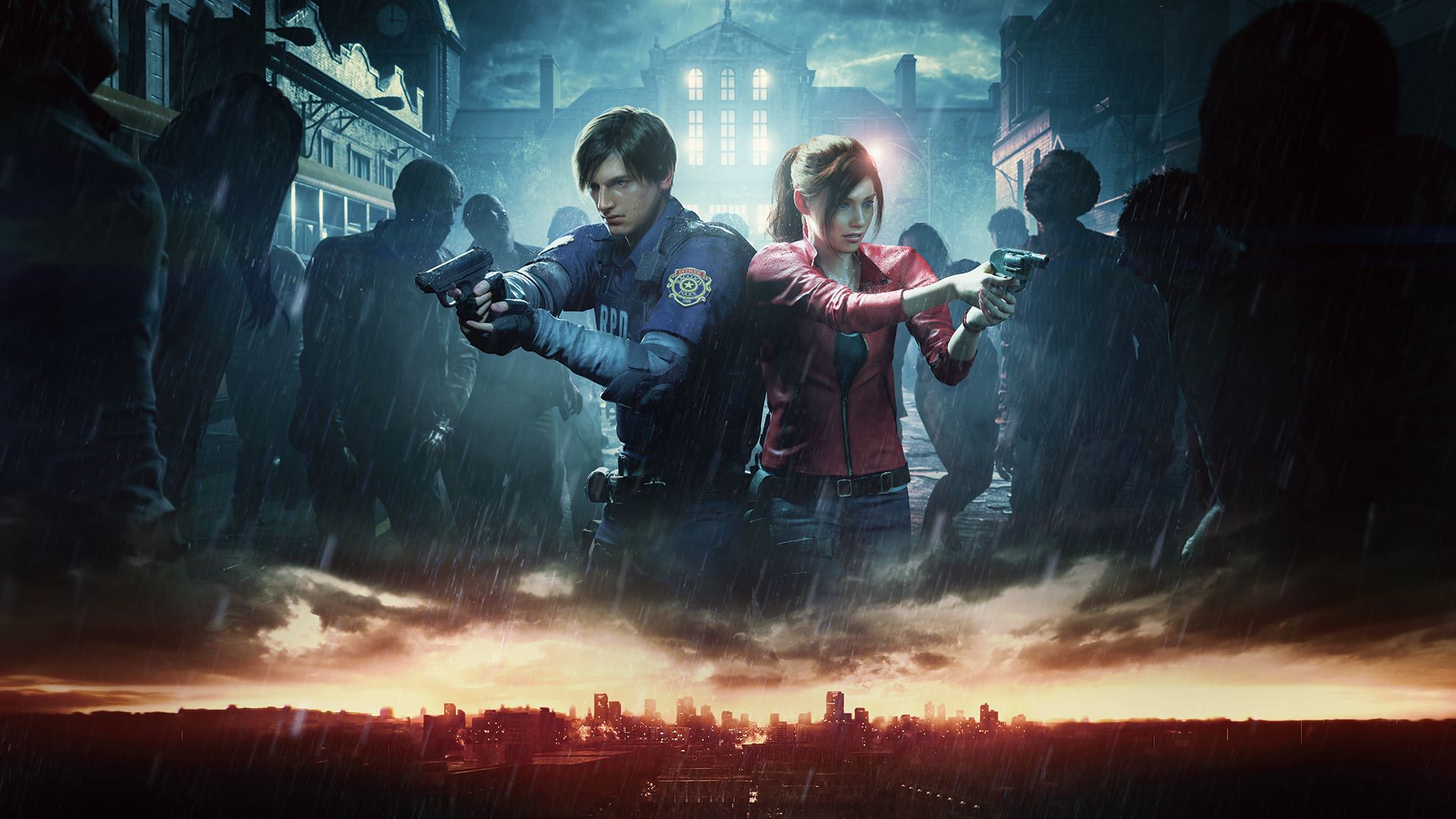

Resident Evil 2 remains a landmark release in both Capcom’s history and the evolution of survival horror, with its legacy only growing as the franchise expands to platforms like the Nintendo Switch.
Launched in 1998, the game set a new benchmark for atmosphere and narrative ambition in the series, but its journey to store shelves was characterized by creative upheaval.
Much of this turbulent development has recently been highlighted by Hideki Kamiya, the influential game designer who made his directorial debut steering Resident Evil 2.
Initially, the sequel—referred to as Biohazard 1.5 during early development—was designed as a dramatic departure from the original Resident Evil, featuring a completely new cast and lacking direct ties to its predecessor.
Upwards of 60–80% of the content was developed before Capcom hit a pivotal crossroads.
With the late addition of scriptwriter Noburu Sugimura, the direction shifted—and it was during this transition that one of Resident Evil’s most important recurring characters came into being: Claire Redfield.
Responding to ongoing fan discussions, Kamiya recently provided new insights into this crucial decision.
He openly reflected, "During the early development of Biohazard 2, I wanted to tell my own story and removed all the established characters.
Looking back, I didn’t consider the players’ feelings.
When Noburu Sugimura joined the project, he insisted that the sequel needed a stronger connection to the original.
That led to the creation of Claire Redfield, Chris Redfield’s sister, providing continuity for fans."
Claire Redfield's introduction effectively bridged the gap between the two games, cementing her place as a cornerstone of the series and deeply resonating with long-time Resident Evil fans.
The original iteration of Resident Evil 2, known as Biohazard 1.5, never saw an official release, but Capcom has since acknowledged its impact.
Fans have even built playable versions based on prototype leaks, and Capcom paid homage to its concepts in the acclaimed 2019 Resident Evil 2 remake with special costumes inspired by early designs like Elza Walker.
As Capcom continues to invest in the Resident Evil brand, the Nintendo Switch platform is poised to play an even bigger role.
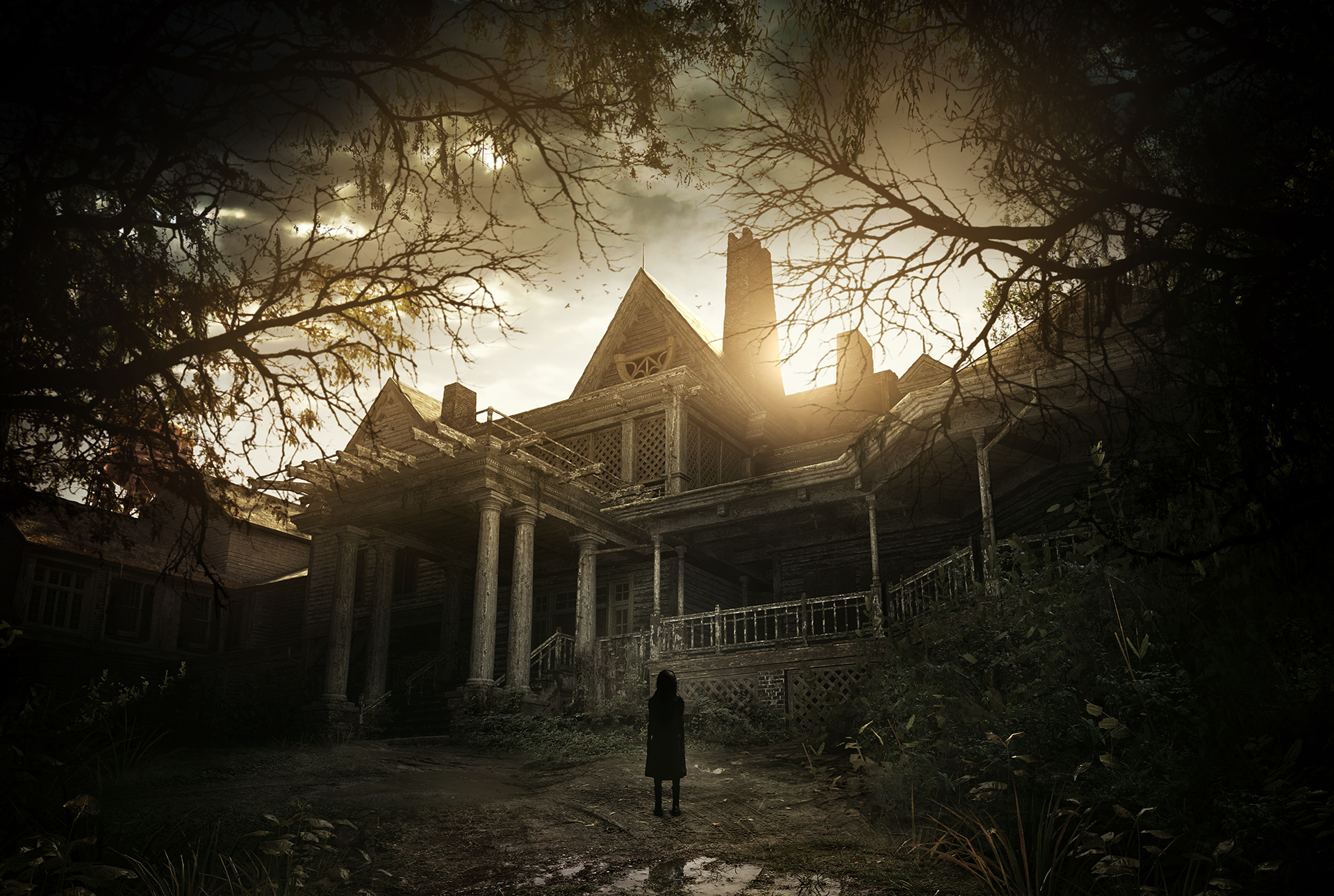
Players on the upcoming Switch 2 can anticipate the arrival of Resident Evil Requiem, Resident Evil Village, and Resident Evil 7: Biohazard, all scheduled for release on February 27, 2026.
Capcom’s willingness to revisit and reimagine its storied history on new hardware demonstrates the enduring appeal of biohazard storytelling—anchored by unforgettable characters like Claire Redfield.
For more news on Resident Evil, Capcom’s development history, and upcoming Nintendo Switch releases, stay tuned to our site for the latest updates direct from the industry’s leading creators.
Launched in 1998, the game set a new benchmark for atmosphere and narrative ambition in the series, but its journey to store shelves was characterized by creative upheaval.
Much of this turbulent development has recently been highlighted by Hideki Kamiya, the influential game designer who made his directorial debut steering Resident Evil 2.
Initially, the sequel—referred to as Biohazard 1.5 during early development—was designed as a dramatic departure from the original Resident Evil, featuring a completely new cast and lacking direct ties to its predecessor.
Upwards of 60–80% of the content was developed before Capcom hit a pivotal crossroads.
With the late addition of scriptwriter Noburu Sugimura, the direction shifted—and it was during this transition that one of Resident Evil’s most important recurring characters came into being: Claire Redfield.
Responding to ongoing fan discussions, Kamiya recently provided new insights into this crucial decision.
He openly reflected, "During the early development of Biohazard 2, I wanted to tell my own story and removed all the established characters.
Looking back, I didn’t consider the players’ feelings.
When Noburu Sugimura joined the project, he insisted that the sequel needed a stronger connection to the original.
That led to the creation of Claire Redfield, Chris Redfield’s sister, providing continuity for fans."
Claire Redfield's introduction effectively bridged the gap between the two games, cementing her place as a cornerstone of the series and deeply resonating with long-time Resident Evil fans.
The original iteration of Resident Evil 2, known as Biohazard 1.5, never saw an official release, but Capcom has since acknowledged its impact.
Fans have even built playable versions based on prototype leaks, and Capcom paid homage to its concepts in the acclaimed 2019 Resident Evil 2 remake with special costumes inspired by early designs like Elza Walker.
As Capcom continues to invest in the Resident Evil brand, the Nintendo Switch platform is poised to play an even bigger role.
Players on the upcoming Switch 2 can anticipate the arrival of Resident Evil Requiem, Resident Evil Village, and Resident Evil 7: Biohazard, all scheduled for release on February 27, 2026.
Capcom’s willingness to revisit and reimagine its storied history on new hardware demonstrates the enduring appeal of biohazard storytelling—anchored by unforgettable characters like Claire Redfield.
For more news on Resident Evil, Capcom’s development history, and upcoming Nintendo Switch releases, stay tuned to our site for the latest updates direct from the industry’s leading creators.