As artificial intelligence continues to make waves across the technology sector, its impact on game development is a subject of increasing debate within the industry.
At CES 2026, conversations about AI’s potential reached a fever pitch, drawing keen interest from those eager to understand how leading developers are integrating—or questioning—the role of generative AI in the creative process.
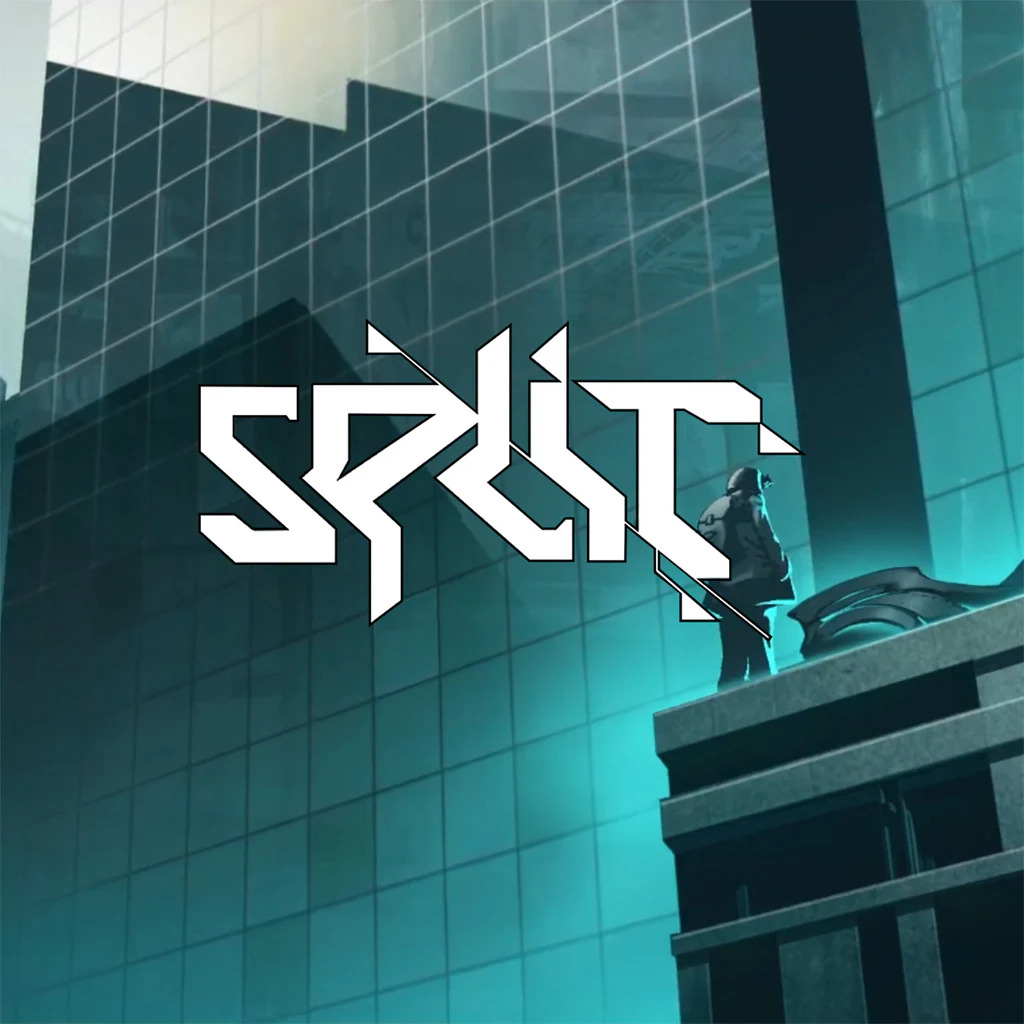
A particularly insightful voice on this matter is Josef Fares, founder of Hazelight Studios and creative director behind acclaimed titles such as 'It Takes Two' and 'Split Fiction'.
In a recent interview with Christopher Dring of The Game Business, Fares candidly discussed the evolving place of artificial intelligence in video game production.
While he acknowledged that AI has long been a staple tool in the industry, he cast a critical eye on the current capabilities of generative AI platforms.
According to Fares, tools like Midjourney initially impressed upon release, but their progress seems to have plateaued in the last five years.
"We have utilized AI in game development for quite some time.
The issue arises with generative AI.
If a tool can help realize a creative vision, it’s sensible to consider it," Fares explained.
"But when looking at generative AI, like Midjourney—it was striking when first launched, yet the standard hasn't noticeably increased since.
Perhaps this represents the current ceiling of the technology."
Fares continued, noting skepticism toward predictions that AI might soon be able to generate game concepts autonomously.
"People often speculate about how much better AI-generated concepts could be in five years, but it's tough to say.
It might end up at the same level as Midjourney, with modest improvements.
Ultimately, there still needs to be someone with a creative vision or idea guiding the project.
I don’t see AI replacing that human element any time soon," he added.
This perspective follows broader discussions across the gaming community regarding the balance between technological advancement and creative authorship.
Concerns about AI "taking over" are frequently raised, but Fares’ viewpoint reinforces the idea that game developers retain control over how much AI influences their work.
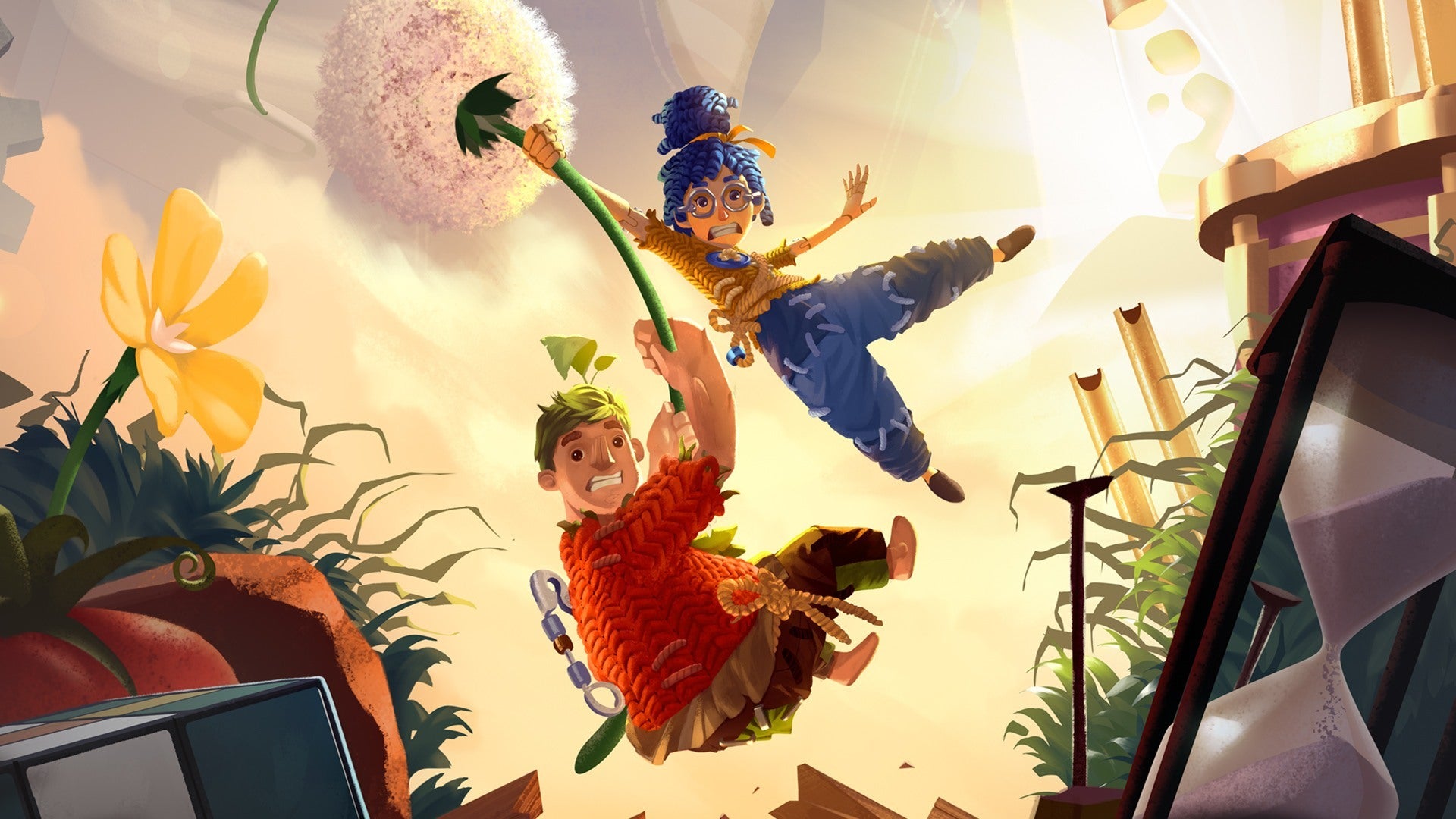
Importantly, he underscores that the artistry and ingenuity found in successful games—like 'It Takes Two', a title celebrated for its narrative originality on all major platforms including Nintendo Switch—cannot be replicated by algorithms alone.
Further underscoring industry skepticism, Nintendo recently addressed claims surrounding its 'My Mario' collection.
The company clarified that no generative AI tools were used in the production of recent promotional images, reflecting a commitment to creative integrity and transparency.
As developers continue to experiment with new tools and techniques, the role of generative AI in game development will undoubtedly evolve.
For now, as leaders like Josef Fares assert, the heart of innovation remains with those who possess vision and creativity—a message that resonates strongly within the development community and among players alike.
At CES 2026, conversations about AI’s potential reached a fever pitch, drawing keen interest from those eager to understand how leading developers are integrating—or questioning—the role of generative AI in the creative process.
A particularly insightful voice on this matter is Josef Fares, founder of Hazelight Studios and creative director behind acclaimed titles such as 'It Takes Two' and 'Split Fiction'.
In a recent interview with Christopher Dring of The Game Business, Fares candidly discussed the evolving place of artificial intelligence in video game production.
While he acknowledged that AI has long been a staple tool in the industry, he cast a critical eye on the current capabilities of generative AI platforms.
According to Fares, tools like Midjourney initially impressed upon release, but their progress seems to have plateaued in the last five years.
"We have utilized AI in game development for quite some time.
The issue arises with generative AI.
If a tool can help realize a creative vision, it’s sensible to consider it," Fares explained.
"But when looking at generative AI, like Midjourney—it was striking when first launched, yet the standard hasn't noticeably increased since.
Perhaps this represents the current ceiling of the technology."
Fares continued, noting skepticism toward predictions that AI might soon be able to generate game concepts autonomously.
"People often speculate about how much better AI-generated concepts could be in five years, but it's tough to say.
It might end up at the same level as Midjourney, with modest improvements.
Ultimately, there still needs to be someone with a creative vision or idea guiding the project.
I don’t see AI replacing that human element any time soon," he added.
This perspective follows broader discussions across the gaming community regarding the balance between technological advancement and creative authorship.
Concerns about AI "taking over" are frequently raised, but Fares’ viewpoint reinforces the idea that game developers retain control over how much AI influences their work.
Importantly, he underscores that the artistry and ingenuity found in successful games—like 'It Takes Two', a title celebrated for its narrative originality on all major platforms including Nintendo Switch—cannot be replicated by algorithms alone.
Further underscoring industry skepticism, Nintendo recently addressed claims surrounding its 'My Mario' collection.
The company clarified that no generative AI tools were used in the production of recent promotional images, reflecting a commitment to creative integrity and transparency.
As developers continue to experiment with new tools and techniques, the role of generative AI in game development will undoubtedly evolve.
For now, as leaders like Josef Fares assert, the heart of innovation remains with those who possess vision and creativity—a message that resonates strongly within the development community and among players alike.