
Jeff Kaplan Reflects on Overwatch 2, Activision Blizzard Pressure, and His Exit: Full Story and Industry Insights
Jeff Kaplan, the iconic former game director of Overwatch and a household name among Blizzard Entertainment fans, has finally shed light on the circumstances that led to his departure from the storied game developer in 2021.
Kaplan, who was instrumental in shepherding the original team-based shooter Overwatch, left Blizzard after nearly two decades—a move that sent shockwaves across both the development floor and the global gaming community, including Nintendo Switch players and esports enthusiasts.
On a recent episode of the Lex Fridman Podcast, Kaplan gave his most candid account yet about his exit, providing critical context behind one of Blizzard's most significant leadership changes.
Kaplan described the intense pressure placed on the Overwatch team, particularly after the launch of Overwatch League, Blizzard's high-stakes esports branch.
According to Kaplan, when Activision Blizzard’s business outcomes did not meet investor expectations, the resulting strain shifted heavily onto the development staff.
"The company placed enormous demands on us, insisting that Overwatch needed to deliver a certain financial benchmark each year," Kaplan stated, recalling a pivotal meeting in 2020 with the then-CFO.
He continued, "It became a situation where I was told outright: if those targets weren’t met, mass layoffs would be inevitable, and the responsibility would rest on my shoulders.
It was, without a doubt, the most surreal and challenging moment of my career."
Despite his deep-seated passion for Blizzard—an organization he considered part of his identity—Kaplan shared that the breaking point led him to reconsider his future.
“For a long time, I truly believed I’d spend my entire career at Blizzard.
However, when confronted with those circumstances, I knew it was time to move on,” he explained.
Kaplan also commented that, fortunately for Blizzard's current employees, the executive involved in that decision is no longer at the company.
According to public records, Dennis Durkin served as CFO until mid-2019, succeeded by Armin Zerza, with both overseeing pivotal periods at Activision Blizzard.
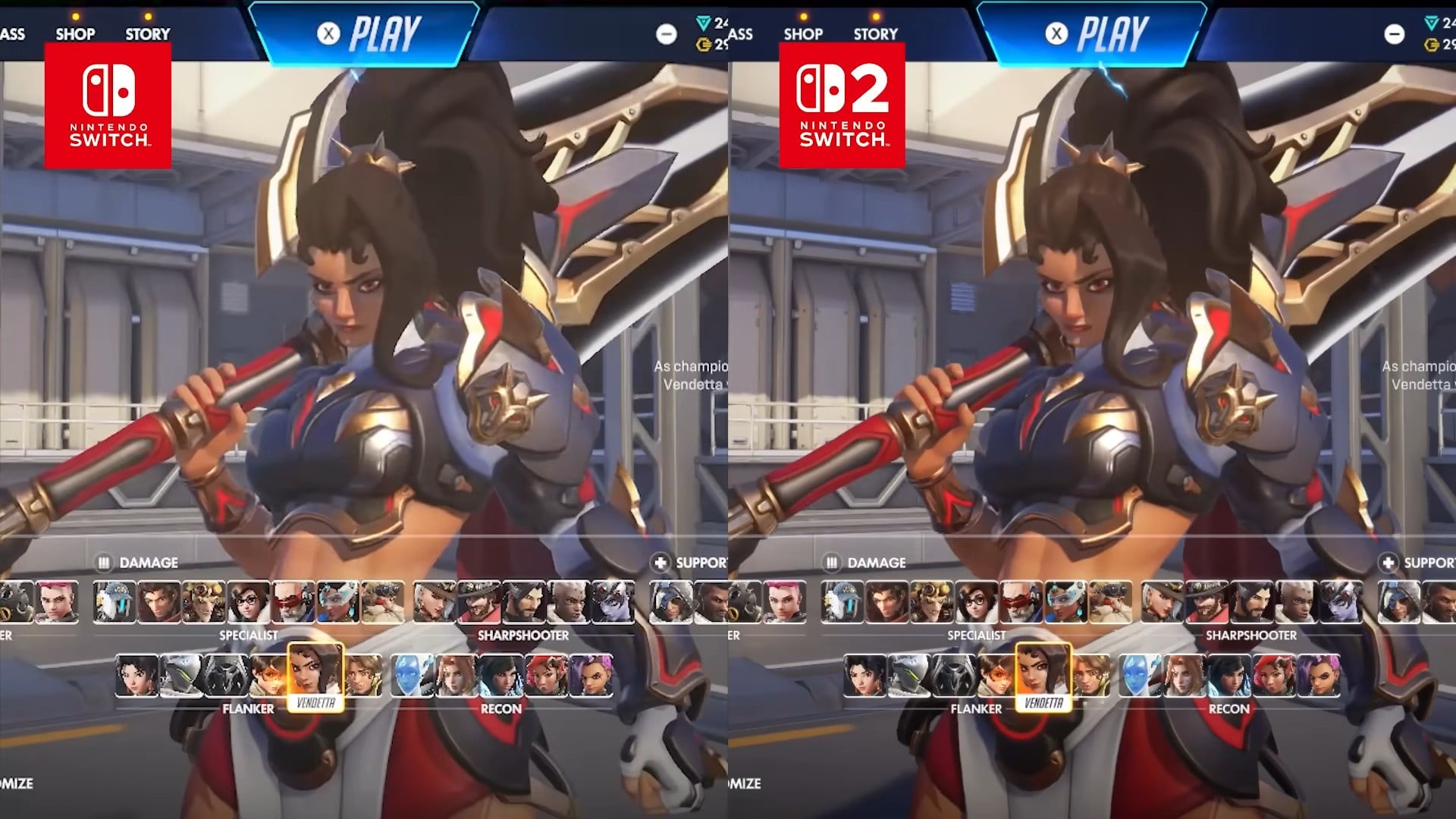
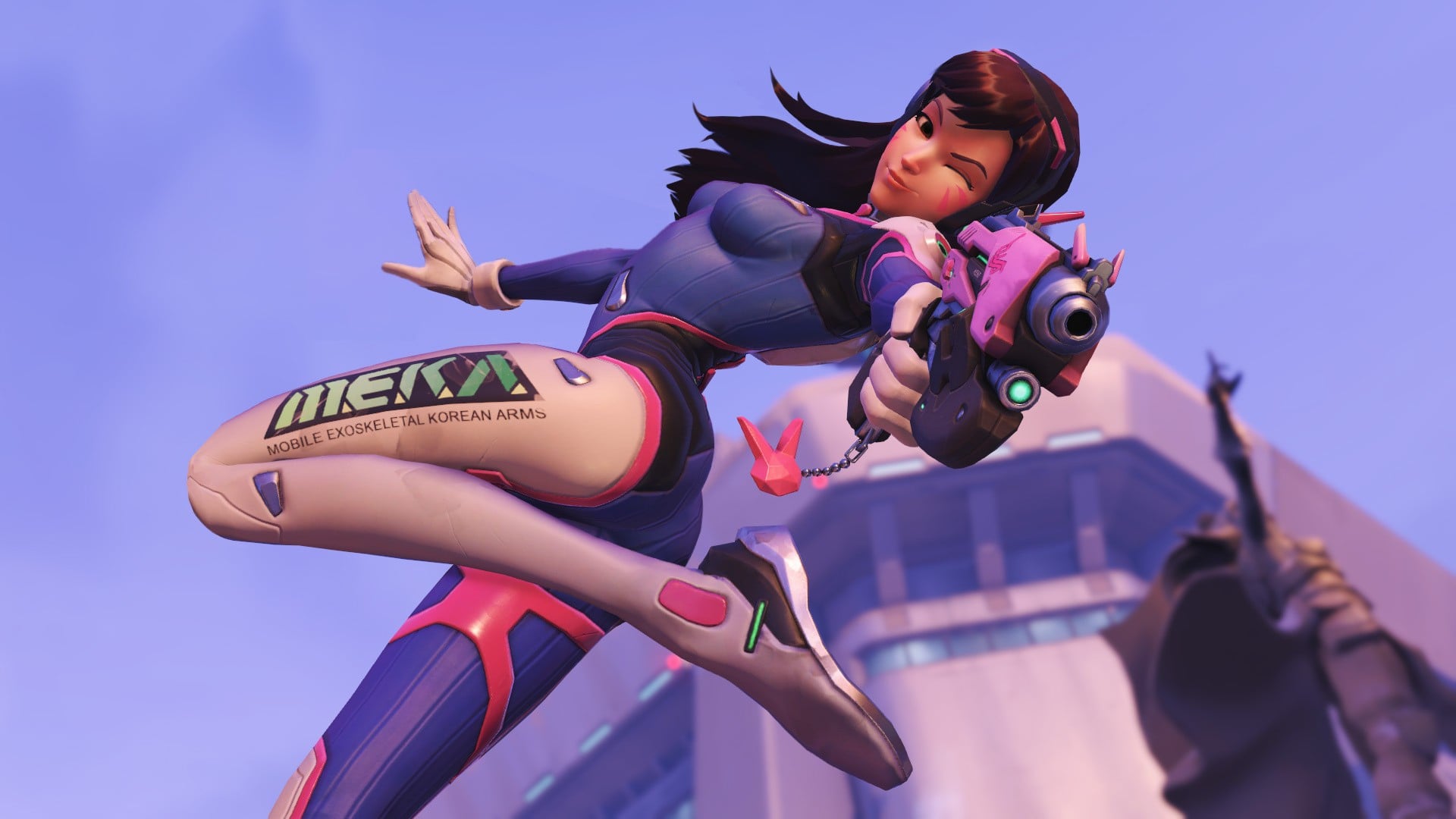
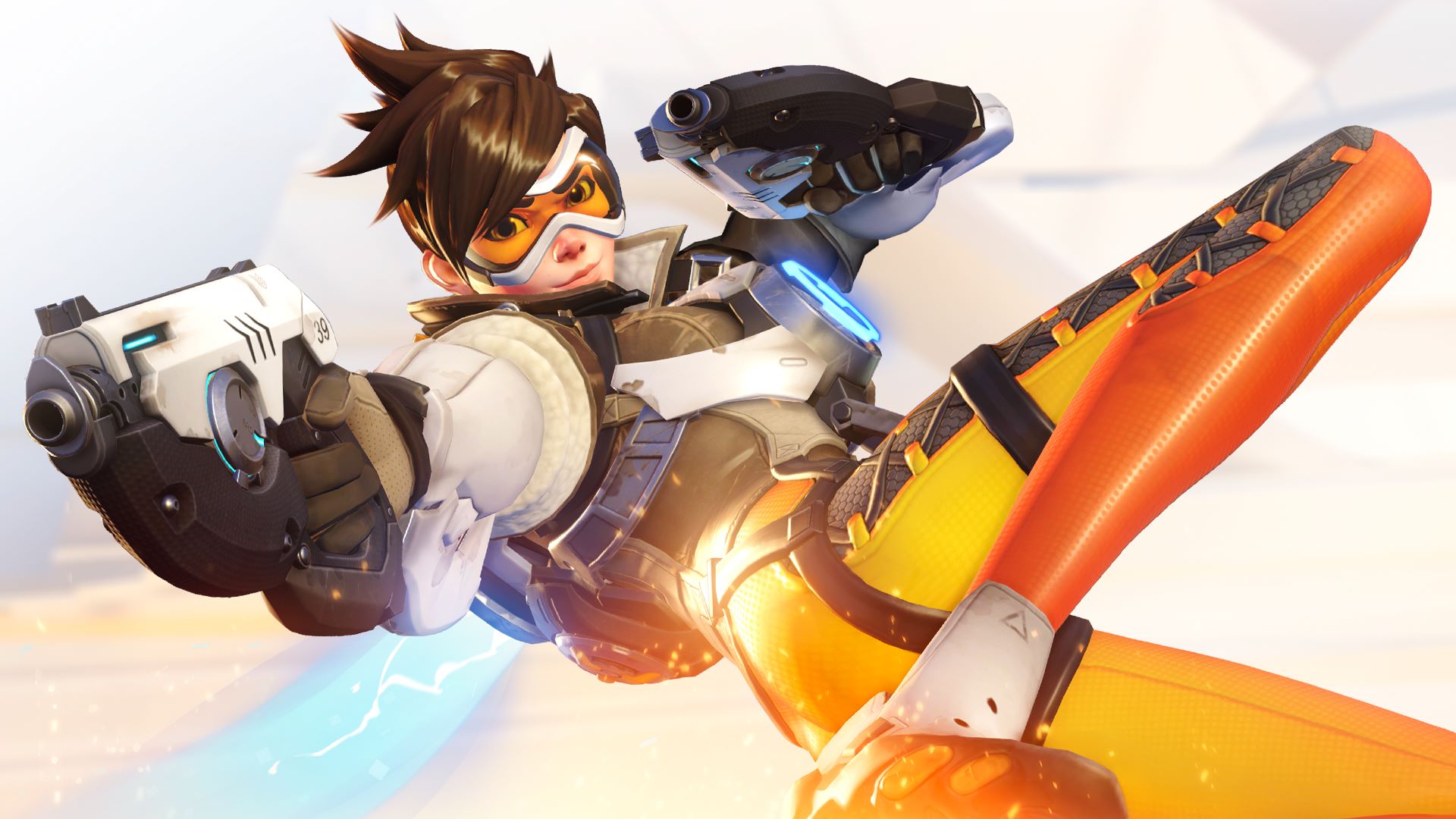
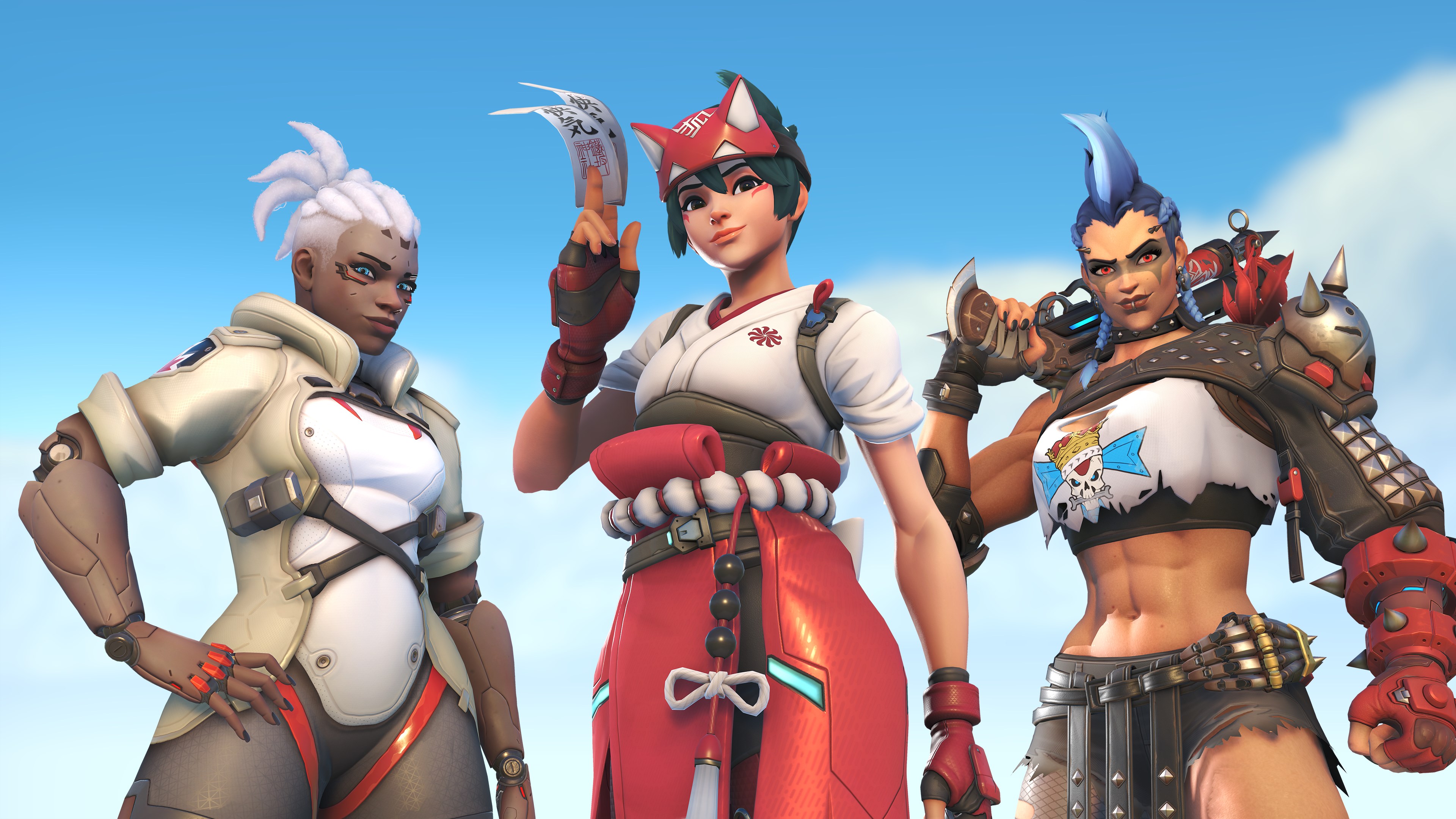
Since Kaplan’s departure, Overwatch 2 has seen significant changes—including dropping the ‘2’ from its title as Blizzard President Johanna Faries positioned the game as "timeless." The title remains a free-to-play multiplayer shooter, with content updates and crossovers, such as the recent collaboration with NieR: Automata, continuing to engage players on PC and the Nintendo Switch.
Kaplan, meanwhile, has embarked on his own creative journey.
He's currently developing "The Legend of California," an ambitious open-world action-survival shooter set amidst the gold rush era.
This new venture marks Kaplan's return to game development, now outside the pressures he poignantly described.
His story offers rare insight into the real-world implications of corporate pressures in big-budget game development, underscoring the challenges that even industry veterans confront.
For Nintendo fans and Switch players following Blizzard’s ongoing evolution, Kaplan's reflections serve as both a cautionary tale and a testament to the enduring passion that shapes the gaming world.
Jeff Kaplan, the iconic former game director of Overwatch and a household name among Blizzard Entertainment fans, has finally shed light on the circumstances that led to his departure from the storied game developer in 2021.
Kaplan, who was instrumental in shepherding the original team-based shooter Overwatch, left Blizzard after nearly two decades—a move that sent shockwaves across both the development floor and the global gaming community, including Nintendo Switch players and esports enthusiasts.
On a recent episode of the Lex Fridman Podcast, Kaplan gave his most candid account yet about his exit, providing critical context behind one of Blizzard's most significant leadership changes.
Kaplan described the intense pressure placed on the Overwatch team, particularly after the launch of Overwatch League, Blizzard's high-stakes esports branch.
According to Kaplan, when Activision Blizzard’s business outcomes did not meet investor expectations, the resulting strain shifted heavily onto the development staff.
"The company placed enormous demands on us, insisting that Overwatch needed to deliver a certain financial benchmark each year," Kaplan stated, recalling a pivotal meeting in 2020 with the then-CFO.
He continued, "It became a situation where I was told outright: if those targets weren’t met, mass layoffs would be inevitable, and the responsibility would rest on my shoulders.
It was, without a doubt, the most surreal and challenging moment of my career."
Despite his deep-seated passion for Blizzard—an organization he considered part of his identity—Kaplan shared that the breaking point led him to reconsider his future.
“For a long time, I truly believed I’d spend my entire career at Blizzard.
However, when confronted with those circumstances, I knew it was time to move on,” he explained.
Kaplan also commented that, fortunately for Blizzard's current employees, the executive involved in that decision is no longer at the company.
According to public records, Dennis Durkin served as CFO until mid-2019, succeeded by Armin Zerza, with both overseeing pivotal periods at Activision Blizzard.
Since Kaplan’s departure, Overwatch 2 has seen significant changes—including dropping the ‘2’ from its title as Blizzard President Johanna Faries positioned the game as "timeless." The title remains a free-to-play multiplayer shooter, with content updates and crossovers, such as the recent collaboration with NieR: Automata, continuing to engage players on PC and the Nintendo Switch.
Kaplan, meanwhile, has embarked on his own creative journey.
He's currently developing "The Legend of California," an ambitious open-world action-survival shooter set amidst the gold rush era.
This new venture marks Kaplan's return to game development, now outside the pressures he poignantly described.
His story offers rare insight into the real-world implications of corporate pressures in big-budget game development, underscoring the challenges that even industry veterans confront.
For Nintendo fans and Switch players following Blizzard’s ongoing evolution, Kaplan's reflections serve as both a cautionary tale and a testament to the enduring passion that shapes the gaming world.