In a noteworthy turn of events for the gaming community, legendary developer Hideki Kamiya has publicly apologized to a fan following the highly anticipated announcement of the Ōkami sequel at The Game Awards 2024.
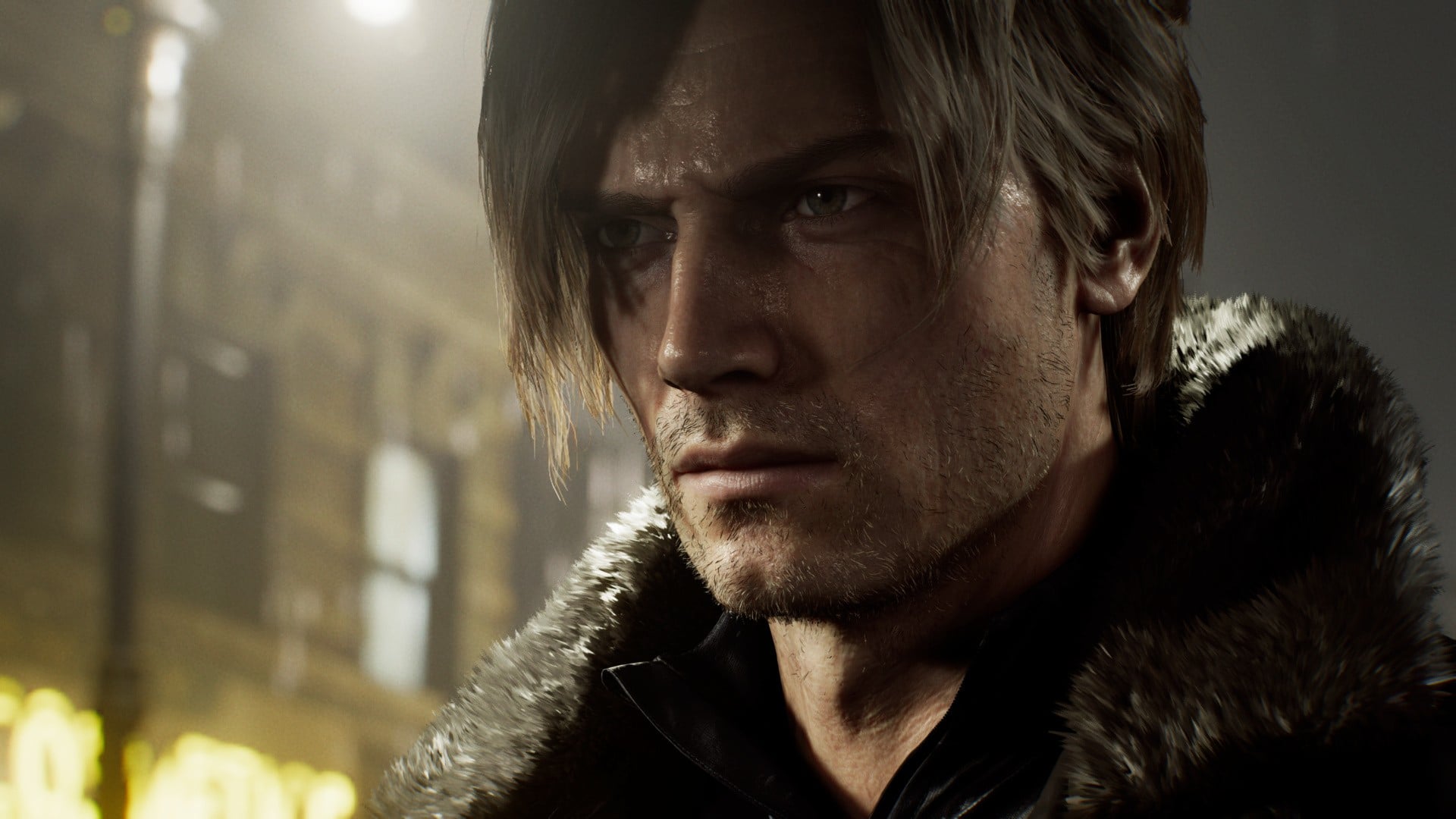
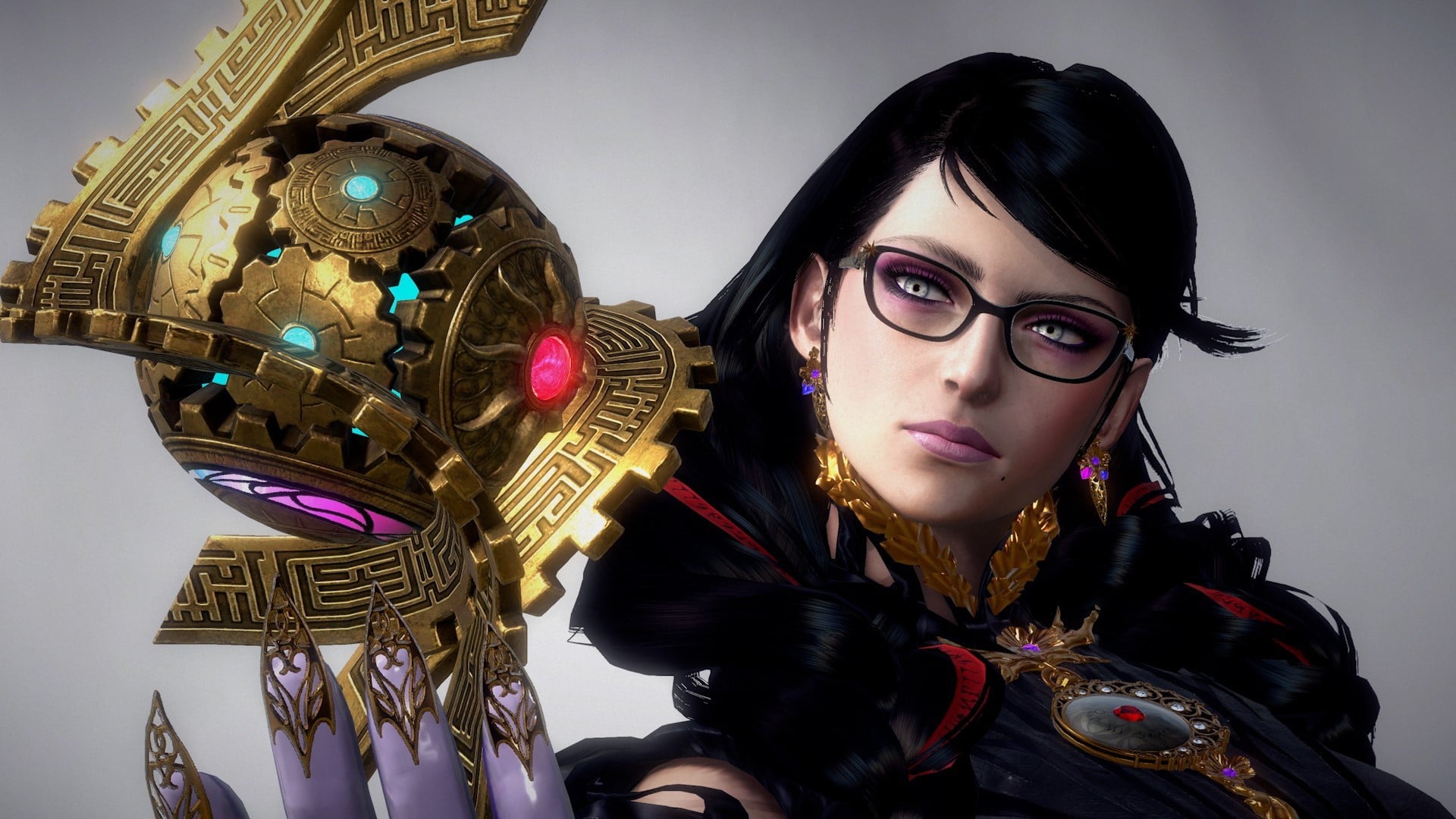
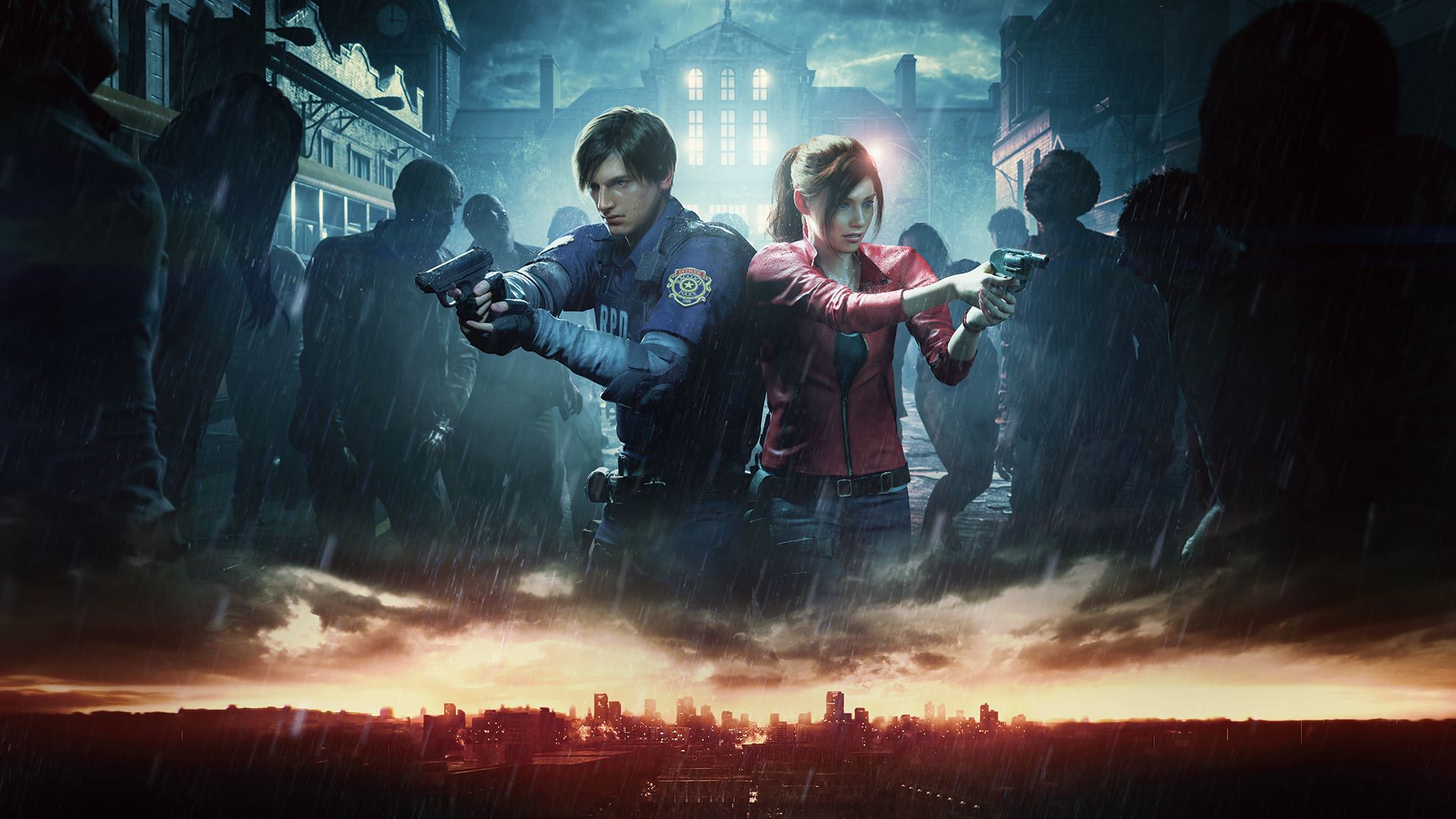
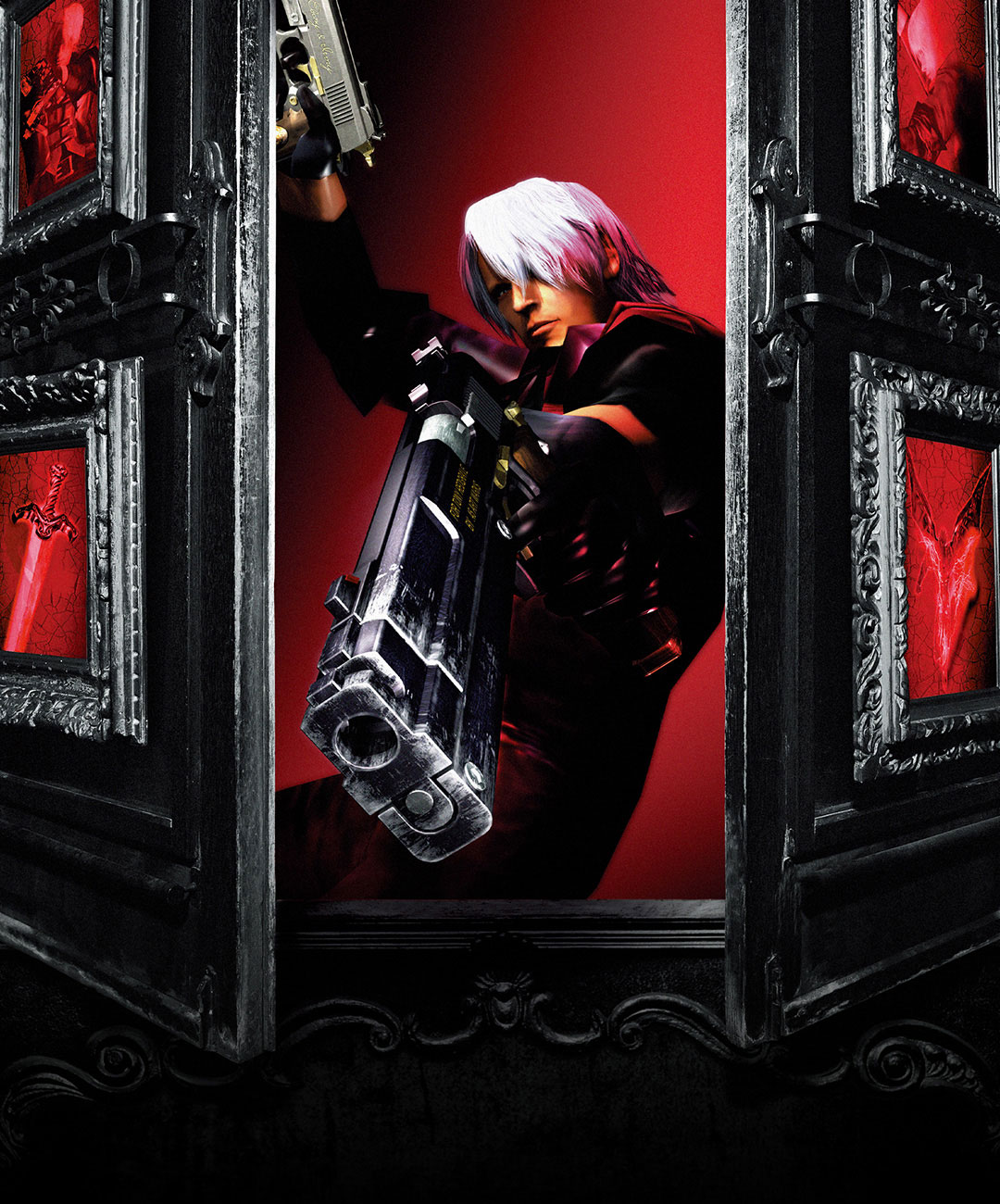
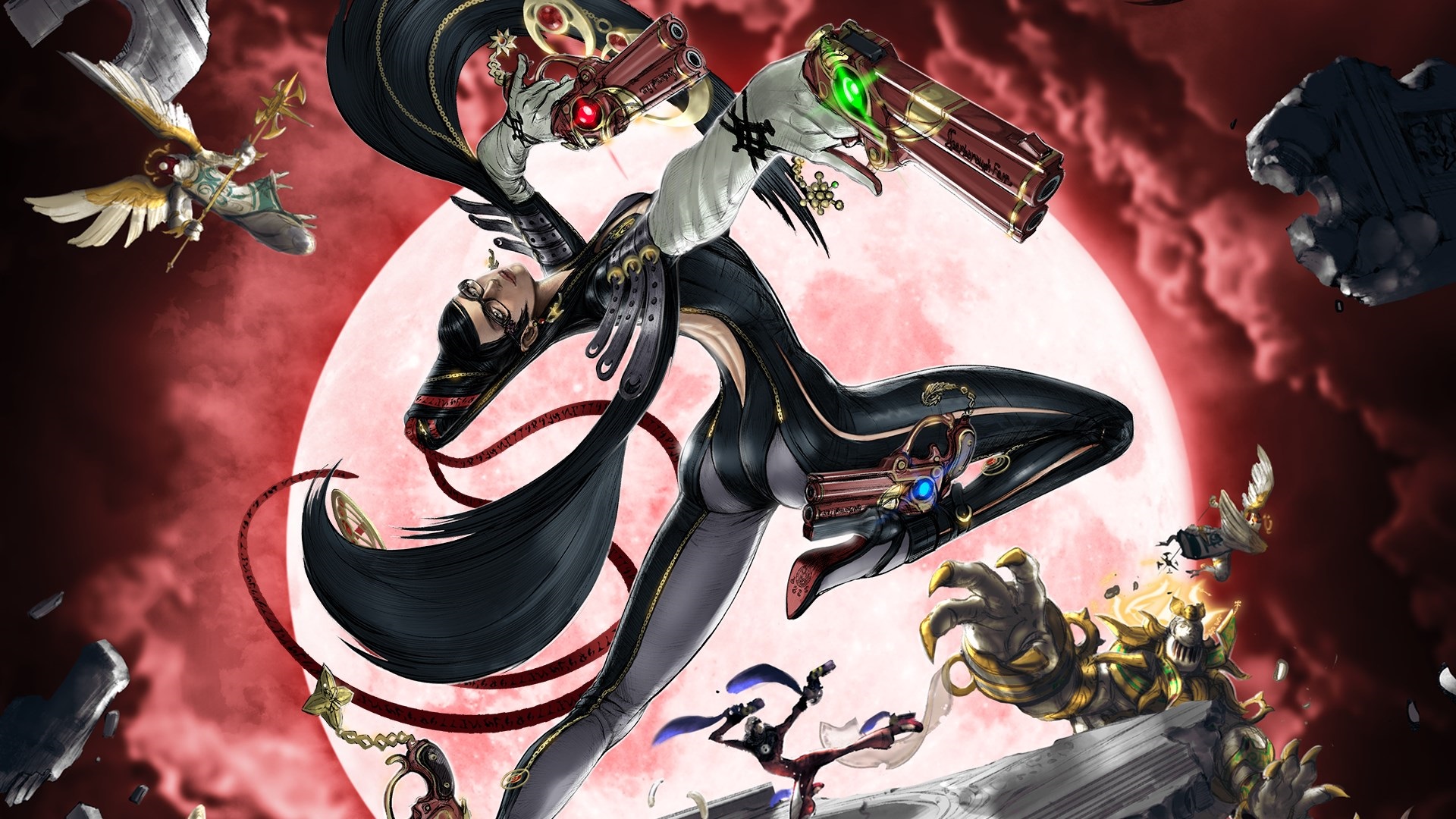
Kamiya, whose exceptional portfolio includes Capcom and PlatinumGames landmarks such as Resident Evil 2, Devil May Cry, Viewtiful Joe, and Bayonetta, has long been celebrated for his creative vision and a string of successful releases across platforms like Nintendo Switch and PlayStation.
However, his combative and often blunt social media presence has also garnered attention, leading to a reputation for issuing harsh responses, particularly towards English-speaking fans engaging with him online.
The situation unfolded shortly after the official reveal of the new Ōkami title—a sequel to the 2006 classic that has seen enduring acclaim on platforms including the Nintendo eShop and, most recently, re-releases for Nintendo Switch.
As online reaction videos began circulating, Kamiya encountered one particularly heartfelt response that made a strong impression on him.
Upon recognizing the fan from previous social media interactions, Kamiya reviewed his communication history and realized that he had previously responded to her with disrespectful language.
Reflecting on the incident, Kamiya conveyed his remorse in clear terms reminiscent of journalistic integrity: "While watching people's reactions to the new Ōkami announcement, I came across an emotional and joyful video from a woman who seemed familiar.
After checking my social media logs, I realized she had asked me questions in the past.
Unfortunately, my replies at the time were unnecessarily hostile, and now I truly regret how I handled that exchange." Kamiya took the extra step of sharing the video created by YouTuber @Skittzipoo and added a public apology, saying, "I have great appreciation for this person and am genuinely sorry for my previous behavior."
Such a public acknowledgment of fault is a rare instance for Kamiya, whose interactions on platforms such as X (formerly Twitter) are routinely marked by curt and sometimes abrasive replies.
Nevertheless, his willingness to express contrition and highlight positive fan engagement in the wake of the Ōkami sequel announcement suggests a more reflective side of the renowned developer.
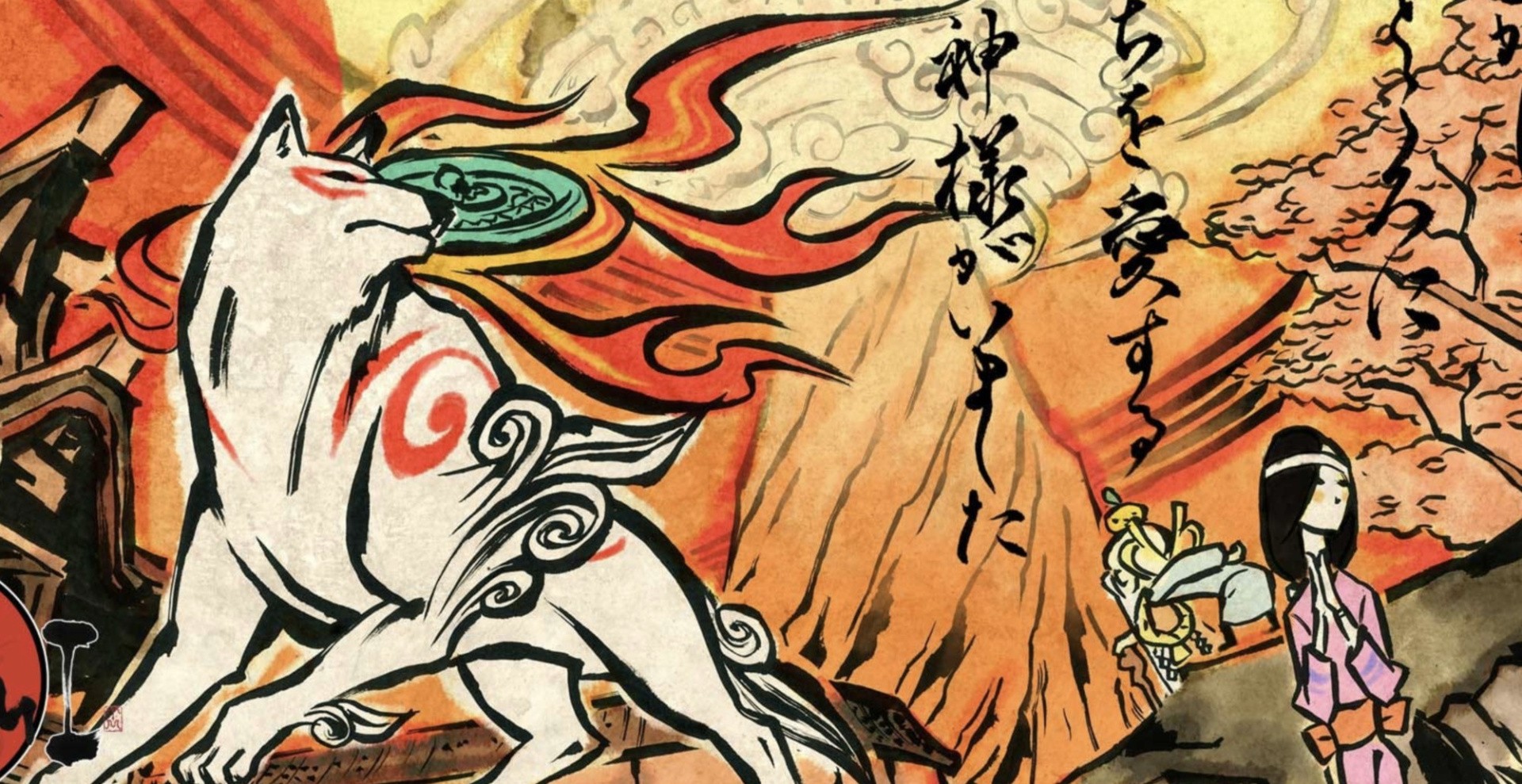
The original Ōkami, first released in 2006 by Capcom, has achieved cult status for its artistic style, Zelda-like gameplay, and unique narrative.
Its transition to newer hardware, including the Nintendo Switch, has brought the game to new audiences and kept its legacy alive.
Sales milestones have continually reinforced Ōkami’s influence within Capcom’s celebrated catalog and ensured continued interest from longtime fans.
With the sequel now officially announced at The Game Awards 2024, anticipation is high across the global gaming community for another visionary experience from Kamiya and his development team.
As the development of the Ōkami sequel moves forward, the industry will undoubtedly keep watch on both the gameplay innovations expected from Hideki Kamiya and the evolving dialogue between prominent developers and the dedicated Nintendo and Capcom fanbases.
Kamiya, whose exceptional portfolio includes Capcom and PlatinumGames landmarks such as Resident Evil 2, Devil May Cry, Viewtiful Joe, and Bayonetta, has long been celebrated for his creative vision and a string of successful releases across platforms like Nintendo Switch and PlayStation.
However, his combative and often blunt social media presence has also garnered attention, leading to a reputation for issuing harsh responses, particularly towards English-speaking fans engaging with him online.
The situation unfolded shortly after the official reveal of the new Ōkami title—a sequel to the 2006 classic that has seen enduring acclaim on platforms including the Nintendo eShop and, most recently, re-releases for Nintendo Switch.
As online reaction videos began circulating, Kamiya encountered one particularly heartfelt response that made a strong impression on him.
Upon recognizing the fan from previous social media interactions, Kamiya reviewed his communication history and realized that he had previously responded to her with disrespectful language.
Reflecting on the incident, Kamiya conveyed his remorse in clear terms reminiscent of journalistic integrity: "While watching people's reactions to the new Ōkami announcement, I came across an emotional and joyful video from a woman who seemed familiar.
After checking my social media logs, I realized she had asked me questions in the past.
Unfortunately, my replies at the time were unnecessarily hostile, and now I truly regret how I handled that exchange." Kamiya took the extra step of sharing the video created by YouTuber @Skittzipoo and added a public apology, saying, "I have great appreciation for this person and am genuinely sorry for my previous behavior."
Such a public acknowledgment of fault is a rare instance for Kamiya, whose interactions on platforms such as X (formerly Twitter) are routinely marked by curt and sometimes abrasive replies.
Nevertheless, his willingness to express contrition and highlight positive fan engagement in the wake of the Ōkami sequel announcement suggests a more reflective side of the renowned developer.
The original Ōkami, first released in 2006 by Capcom, has achieved cult status for its artistic style, Zelda-like gameplay, and unique narrative.
Its transition to newer hardware, including the Nintendo Switch, has brought the game to new audiences and kept its legacy alive.
Sales milestones have continually reinforced Ōkami’s influence within Capcom’s celebrated catalog and ensured continued interest from longtime fans.
With the sequel now officially announced at The Game Awards 2024, anticipation is high across the global gaming community for another visionary experience from Kamiya and his development team.
As the development of the Ōkami sequel moves forward, the industry will undoubtedly keep watch on both the gameplay innovations expected from Hideki Kamiya and the evolving dialogue between prominent developers and the dedicated Nintendo and Capcom fanbases.