
Marvel vs. Capcom, Capcom’s legendary arcade fighting series, has enjoyed enduring popularity since its debut in the late 1990s.
Fans around the world, especially those who grew up with the franchise in arcades and on home consoles, have long questioned the choice to swap Iron Man for War Machine in the original Marvel vs. Capcom roster.
Today, fresh insight from a former Capcom developer has finally illuminated the reasoning behind this iconic character substitution.
Background: Capcom and Marvel began their highly successful collaboration with Marvel Super Heroes and expanded the partnership with the release of Marvel vs. Capcom.
The games became staples in both arcades and on home systems like the Sega Dreamcast and, more recently, the Nintendo Switch through collections and digital re-releases.
Capcom and Marvel’s crossovers have generated critical acclaim and commercial success, celebrated for their fast-paced gameplay and well-loved character lineups.
Former Capcom staff member Atsushi Tomita, who was directly involved in the development process, recently explained that the decision to feature War Machine was a direct result of licensing restrictions encountered at the time.
According to Tomita, Capcom found itself unable to use Iron Man in Marvel vs. Capcom because the exclusive video game rights to the character were, at that moment, held by Acclaim.
Acclaim had released its own Iron Man / X-O Manowar in Heavy Metal in 1996, thus preventing Capcom from including Iron Man in their roster.
"We wanted to incorporate a fighter with the same skill set we crafted in Marvel Super Heroes.
Since we couldn’t secure Iron Man’s rights, we selected War Machine and obtained approval from Marvel," Tomita clarified on social media.
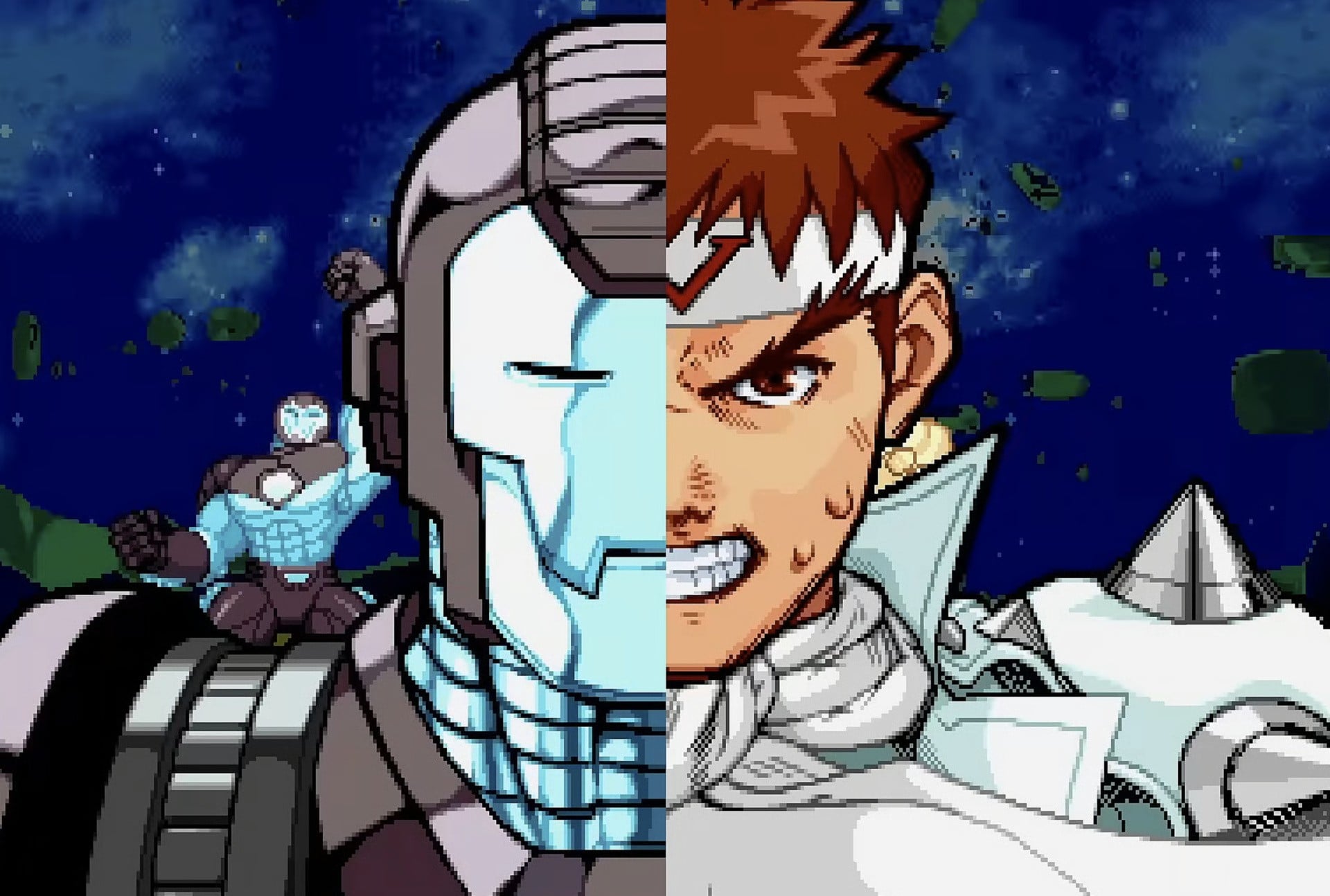
Though the development team used a similar sprite to Iron Man, the character’s black-and-grey color palette was a significant departure from War Machine’s traditional portrayal in Marvel comics.
Tomita also noted that, while War Machine’s design in the game didn’t match his comic book appearance at the time, Marvel was understanding of the creative liberties taken.
Capcom's celebrated artist Bengus illustrated victory screens and artwork based on War Machine's original design, even if the in-game model remained unchanged.
Functionally, War Machine played much like Iron Man in Marvel vs. Capcom, with only minor animation differences.
This satisfied fans seeking the same gameplay experience while navigating legal and creative boundaries.
When Capcom released Marvel vs. Capcom 2 in 2000, the developer regained the rights to use Iron Man, allowing both characters to appear as unique fighters.
Marvel vs. Capcom remains a beloved series among fighting game enthusiasts, with the character roster’s evolution reflecting not just creative direction but the practical realities of licensing and intellectual property in the gaming industry.
Capcom’s successful management of these challenges is a testament to the company’s adaptability, and the enduring legacy of Marvel vs. Capcom continues on platforms like the Nintendo Switch and through digital eShop releases.
This fascinating piece of history adds another layer to the legend of a landmark fighting franchise.
Fans around the world, especially those who grew up with the franchise in arcades and on home consoles, have long questioned the choice to swap Iron Man for War Machine in the original Marvel vs. Capcom roster.
Today, fresh insight from a former Capcom developer has finally illuminated the reasoning behind this iconic character substitution.
Background: Capcom and Marvel began their highly successful collaboration with Marvel Super Heroes and expanded the partnership with the release of Marvel vs. Capcom.
The games became staples in both arcades and on home systems like the Sega Dreamcast and, more recently, the Nintendo Switch through collections and digital re-releases.
Capcom and Marvel’s crossovers have generated critical acclaim and commercial success, celebrated for their fast-paced gameplay and well-loved character lineups.
Former Capcom staff member Atsushi Tomita, who was directly involved in the development process, recently explained that the decision to feature War Machine was a direct result of licensing restrictions encountered at the time.
According to Tomita, Capcom found itself unable to use Iron Man in Marvel vs. Capcom because the exclusive video game rights to the character were, at that moment, held by Acclaim.
Acclaim had released its own Iron Man / X-O Manowar in Heavy Metal in 1996, thus preventing Capcom from including Iron Man in their roster.
"We wanted to incorporate a fighter with the same skill set we crafted in Marvel Super Heroes.
Since we couldn’t secure Iron Man’s rights, we selected War Machine and obtained approval from Marvel," Tomita clarified on social media.
Though the development team used a similar sprite to Iron Man, the character’s black-and-grey color palette was a significant departure from War Machine’s traditional portrayal in Marvel comics.
Tomita also noted that, while War Machine’s design in the game didn’t match his comic book appearance at the time, Marvel was understanding of the creative liberties taken.
Capcom's celebrated artist Bengus illustrated victory screens and artwork based on War Machine's original design, even if the in-game model remained unchanged.
Functionally, War Machine played much like Iron Man in Marvel vs. Capcom, with only minor animation differences.
This satisfied fans seeking the same gameplay experience while navigating legal and creative boundaries.
When Capcom released Marvel vs. Capcom 2 in 2000, the developer regained the rights to use Iron Man, allowing both characters to appear as unique fighters.
Marvel vs. Capcom remains a beloved series among fighting game enthusiasts, with the character roster’s evolution reflecting not just creative direction but the practical realities of licensing and intellectual property in the gaming industry.
Capcom’s successful management of these challenges is a testament to the company’s adaptability, and the enduring legacy of Marvel vs. Capcom continues on platforms like the Nintendo Switch and through digital eShop releases.
This fascinating piece of history adds another layer to the legend of a landmark fighting franchise.