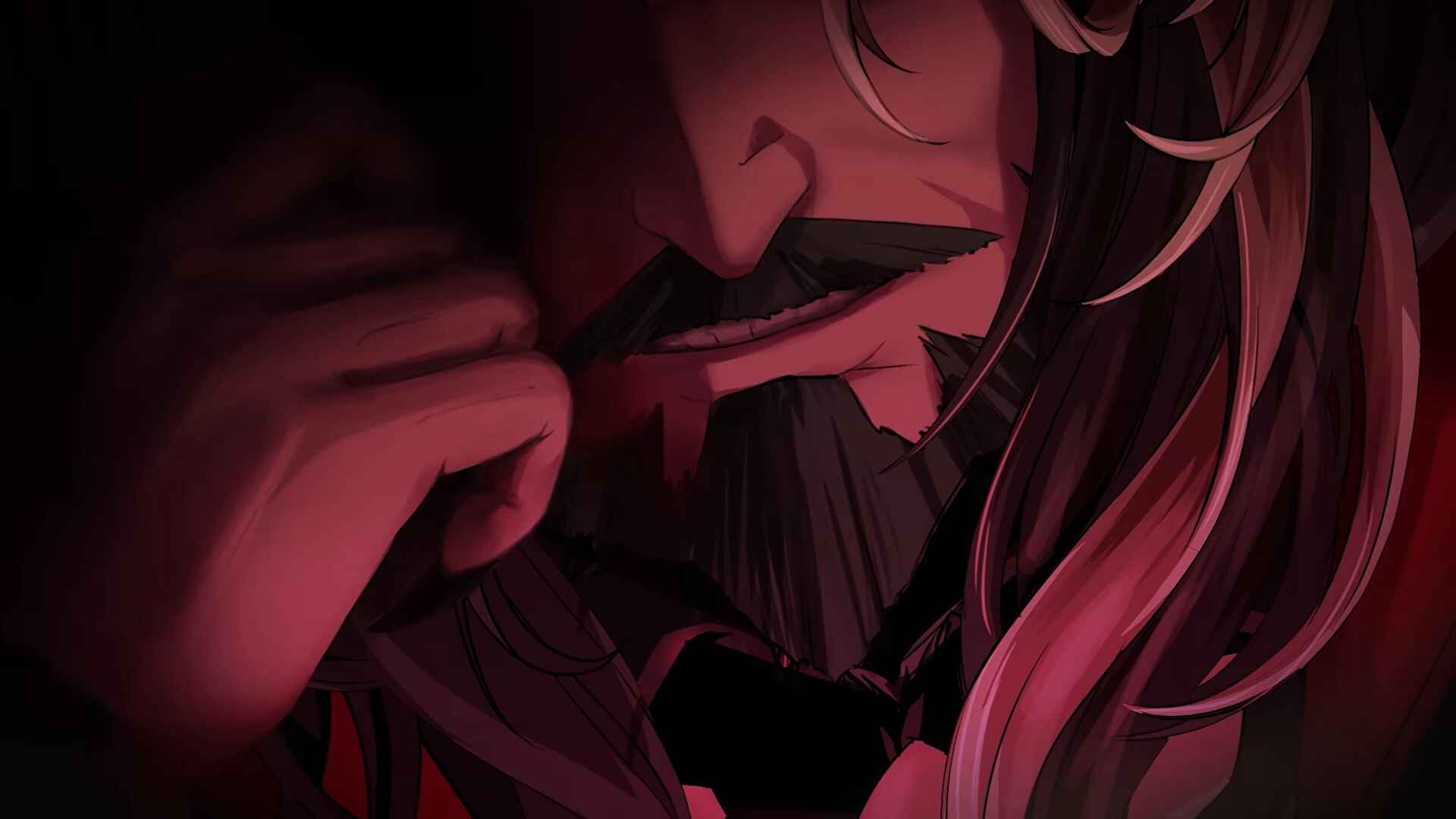
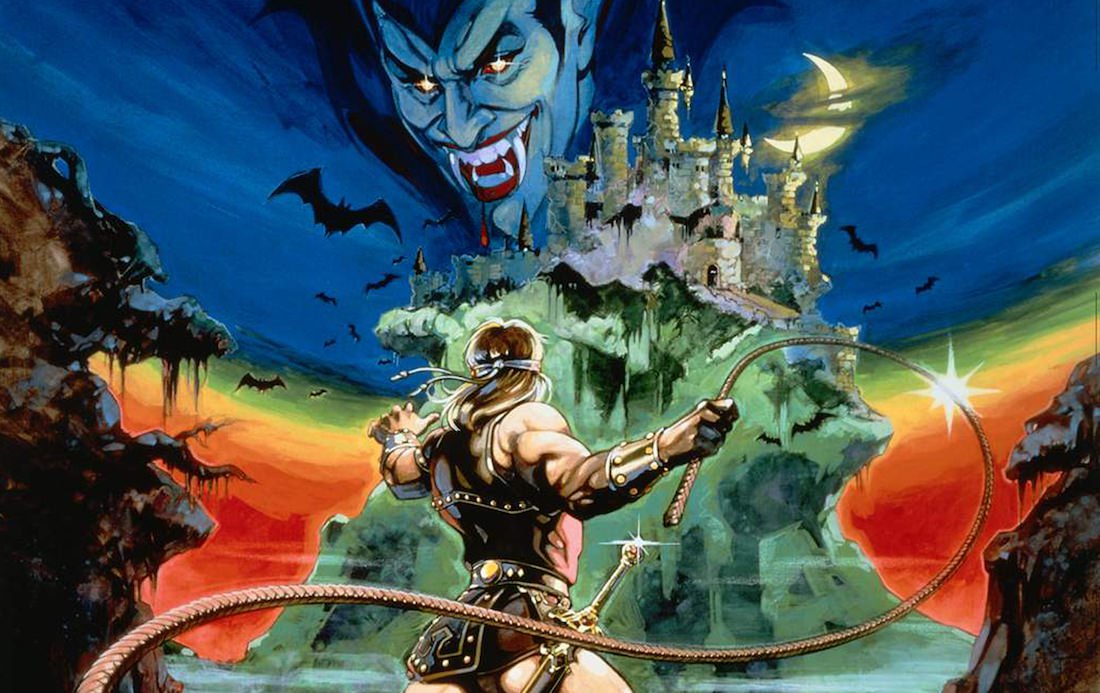
Released in 1997 by Konami for the Sony PlayStation, Castlevania: Symphony of the Night has become legendary within the gaming industry.
Known for its groundbreaking Metroidvania gameplay, rich RPG mechanics, stunning 2D visuals, and an unforgettable soundtrack, Symphony of the Night continues to resonate with fans over a quarter-century after its debut.
Yet, one of its most memorable aspects remains the English localisation—an effort that has immortalized the title in video game culture.
The English voice acting, filled with lines that have achieved meme status over the years, is a key part of Symphony of the Night’s allure.
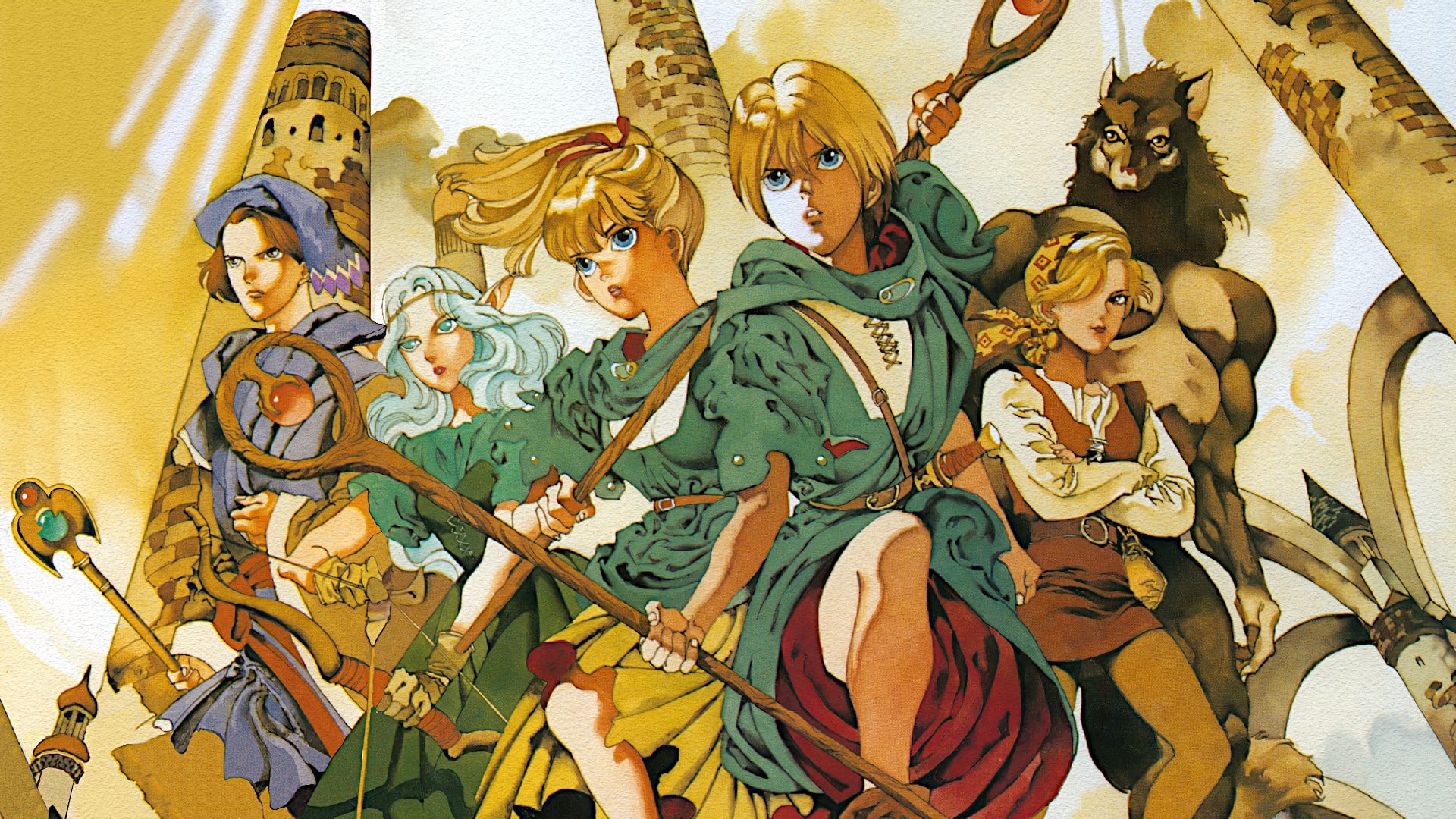
The translation work behind the game was led by industry veteran Jeremy Blaustein, whose résumé includes acclaimed titles like Snatcher, Vandal Hearts, Metal Gear Solid, and Shenmue.
In an in-depth interview with video game historian John Szczepaniak, published in "The Untold History of Game Developers: Volume 5," Blaustein shared insights into why Symphony of the Night’s English dub is so unique.
Blaustein clarified that a Japanese staff member directed the English-language voice recordings, and not a native English speaker.
He explained that localising a game for audiences outside one’s own native language presents significant challenges.
Blaustein commented, “With what I know about localisation, I would say that I would be the wrong person to localise from English to Japanese, and selecting me for that job would surely result in an inferior product—not due to a lack of trying, but due to not being a native speaker.”
He elaborated that truly effective direction in voice acting hinges on native language proficiency.
As the game's translator, Blaustein said he understood precisely how lines should sound and the emotions they needed to convey, something that only a native speaker could reliably judge.
"A non-native speaker may not catch the subtleties of intonation or emotion, making it challenging to ensure authentic performances," he added.
Blaustein illustrated the issue by comparing it to someone ordering food in a foreign language—it might sound competent, but lacks the deeper grasp required for nuanced expression.
This context is crucial, given the time constraints and infancy of video game voice acting during the ‘90s, when localisation was often considered a secondary concern.
It’s hardly surprising, then, that Symphony of the Night’s dub became so idiosyncratic.
Despite its imperfections, the English dub of Castlevania: Symphony of the Night is regarded as a classic.
When Konami re-localised and re-recorded the game’s dialogue for the Sony PSP release, Castlevania: The Dracula X Chronicles, fan response was largely negative—even though the technical quality of the recording had improved.
The re-release notably omitted the famous line, "What is a man?"—a phrase Blaustein sourced from André Malraux’s 1967 work, Antimémoires.
Today, Castlevania: Symphony of the Night’s English localisation stands as an indelible part of video game history.
Its unintentionally charming voice work continues to endear itself to fans on platforms new and old, serving as a reminder of the complexities and cultural nuances involved in bringing Japanese games to global audiences.
Known for its groundbreaking Metroidvania gameplay, rich RPG mechanics, stunning 2D visuals, and an unforgettable soundtrack, Symphony of the Night continues to resonate with fans over a quarter-century after its debut.
Yet, one of its most memorable aspects remains the English localisation—an effort that has immortalized the title in video game culture.
The English voice acting, filled with lines that have achieved meme status over the years, is a key part of Symphony of the Night’s allure.
The translation work behind the game was led by industry veteran Jeremy Blaustein, whose résumé includes acclaimed titles like Snatcher, Vandal Hearts, Metal Gear Solid, and Shenmue.
In an in-depth interview with video game historian John Szczepaniak, published in "The Untold History of Game Developers: Volume 5," Blaustein shared insights into why Symphony of the Night’s English dub is so unique.
Blaustein clarified that a Japanese staff member directed the English-language voice recordings, and not a native English speaker.
He explained that localising a game for audiences outside one’s own native language presents significant challenges.
Blaustein commented, “With what I know about localisation, I would say that I would be the wrong person to localise from English to Japanese, and selecting me for that job would surely result in an inferior product—not due to a lack of trying, but due to not being a native speaker.”
He elaborated that truly effective direction in voice acting hinges on native language proficiency.
As the game's translator, Blaustein said he understood precisely how lines should sound and the emotions they needed to convey, something that only a native speaker could reliably judge.
"A non-native speaker may not catch the subtleties of intonation or emotion, making it challenging to ensure authentic performances," he added.
Blaustein illustrated the issue by comparing it to someone ordering food in a foreign language—it might sound competent, but lacks the deeper grasp required for nuanced expression.
This context is crucial, given the time constraints and infancy of video game voice acting during the ‘90s, when localisation was often considered a secondary concern.
It’s hardly surprising, then, that Symphony of the Night’s dub became so idiosyncratic.
Despite its imperfections, the English dub of Castlevania: Symphony of the Night is regarded as a classic.
When Konami re-localised and re-recorded the game’s dialogue for the Sony PSP release, Castlevania: The Dracula X Chronicles, fan response was largely negative—even though the technical quality of the recording had improved.
The re-release notably omitted the famous line, "What is a man?"—a phrase Blaustein sourced from André Malraux’s 1967 work, Antimémoires.
Today, Castlevania: Symphony of the Night’s English localisation stands as an indelible part of video game history.
Its unintentionally charming voice work continues to endear itself to fans on platforms new and old, serving as a reminder of the complexities and cultural nuances involved in bringing Japanese games to global audiences.