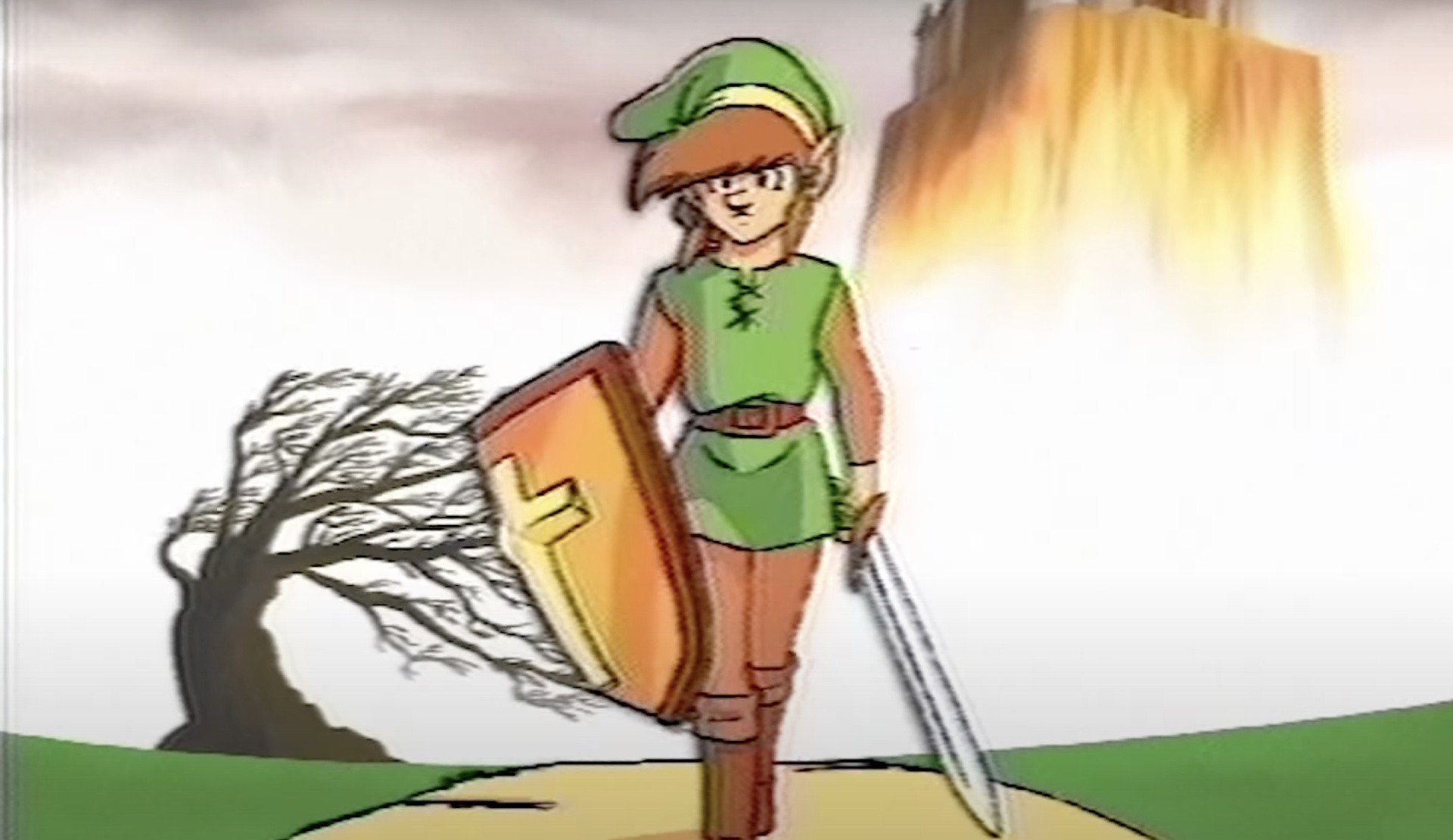

Capsyst Animations, an independent animation studio acclaimed for its creative tributes to classic video games, has released a new animated fan commercial paying homage to 'Zelda II: The Adventure of Link.' This follows their earlier success with a Legend of Zelda NES commercial inspired by the distinctive artwork and illustrations featured in the original game's manual.
Zelda II: The Adventure of Link debuted in North America in 1988 for the Nintendo Entertainment System (NES).
Known for its ambitious side-scrolling gameplay and increased difficulty compared to its predecessor, the title stands out as a unique entry in the storied Legend of Zelda franchise.
While the game achieved commercial success and built a passionate fanbase over the decades, its legacy has been shaped in part by Nintendo's original television marketing — including the now-iconic yet campy 1980s commercial featuring a heroic figure shouting "Zelda" through a castle.
Reflecting on these earlier advertisements, many fans and industry observers have described the original commercial as somewhat over-the-top, leaving Link more reminiscent of Dirk the Daring from 'Dragon's Lair' than the iconic, silent protagonist of the Zelda series.
This context likely inspired Capsyst Animations’ latest project, which seeks to reimagine how Zelda II might have been represented on screen, had Nintendo drawn more directly from the artistic style of the instruction manual.
The newly released animated commercial by Capsyst Animations delivers a faithful, visually engaging homage to Zelda II.
Using digital tools such as Procreate and Procreate Dreams, the animation infuses the narrative with nostalgia and authenticity.
Notably, the narration in this latest work is performed by Dylan Luke, adding further creative depth to the project.
The fanmade commercial has been well-received within the Zelda community, praised for its attention to detail and innovative approach.
By referencing original manual artwork, Capsyst Animations underscores the lasting appeal of the Zelda franchise while inviting contemporary audiences to experience a fresh perspective on a 1980s classic.
As the Nintendo Switch and Nintendo eShop continue to introduce new players to the expansive Zelda library, initiatives like this animated tribute serve as a powerful reminder of the series’ enduring legacy.
Capsyst Animations’ ongoing work exemplifies the creativity and dedication of the global Zelda fanbase, affirming the cultural significance of both the game and its unique artistic heritage.
Zelda II: The Adventure of Link debuted in North America in 1988 for the Nintendo Entertainment System (NES).
Known for its ambitious side-scrolling gameplay and increased difficulty compared to its predecessor, the title stands out as a unique entry in the storied Legend of Zelda franchise.
While the game achieved commercial success and built a passionate fanbase over the decades, its legacy has been shaped in part by Nintendo's original television marketing — including the now-iconic yet campy 1980s commercial featuring a heroic figure shouting "Zelda" through a castle.
Reflecting on these earlier advertisements, many fans and industry observers have described the original commercial as somewhat over-the-top, leaving Link more reminiscent of Dirk the Daring from 'Dragon's Lair' than the iconic, silent protagonist of the Zelda series.
This context likely inspired Capsyst Animations’ latest project, which seeks to reimagine how Zelda II might have been represented on screen, had Nintendo drawn more directly from the artistic style of the instruction manual.
The newly released animated commercial by Capsyst Animations delivers a faithful, visually engaging homage to Zelda II.
Using digital tools such as Procreate and Procreate Dreams, the animation infuses the narrative with nostalgia and authenticity.
Notably, the narration in this latest work is performed by Dylan Luke, adding further creative depth to the project.
The fanmade commercial has been well-received within the Zelda community, praised for its attention to detail and innovative approach.
By referencing original manual artwork, Capsyst Animations underscores the lasting appeal of the Zelda franchise while inviting contemporary audiences to experience a fresh perspective on a 1980s classic.
As the Nintendo Switch and Nintendo eShop continue to introduce new players to the expansive Zelda library, initiatives like this animated tribute serve as a powerful reminder of the series’ enduring legacy.
Capsyst Animations’ ongoing work exemplifies the creativity and dedication of the global Zelda fanbase, affirming the cultural significance of both the game and its unique artistic heritage.