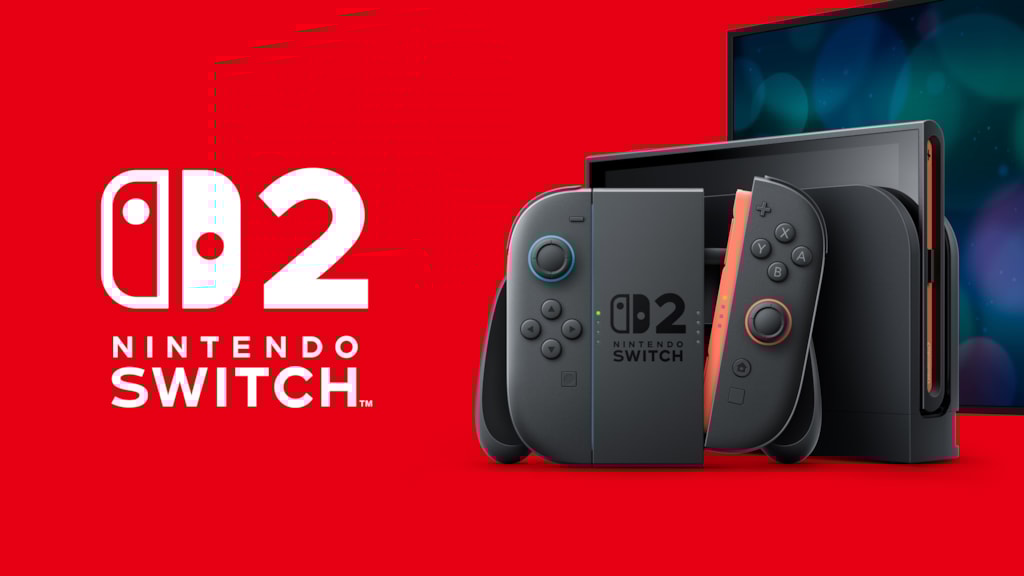
The Japanese video game market continues to display the enduring popularity of Nintendo, with the most recent software sales charts highlighting the dominance of new and returning titles on both the Nintendo Switch and the much-anticipated Nintendo Switch 2. According to data compiled and published by Famitsu, a leading authority on Japanese games industry coverage, Nintendo’s latest hardware and blockbuster franchises are once again setting the pace in one of the world’s most influential gaming markets.
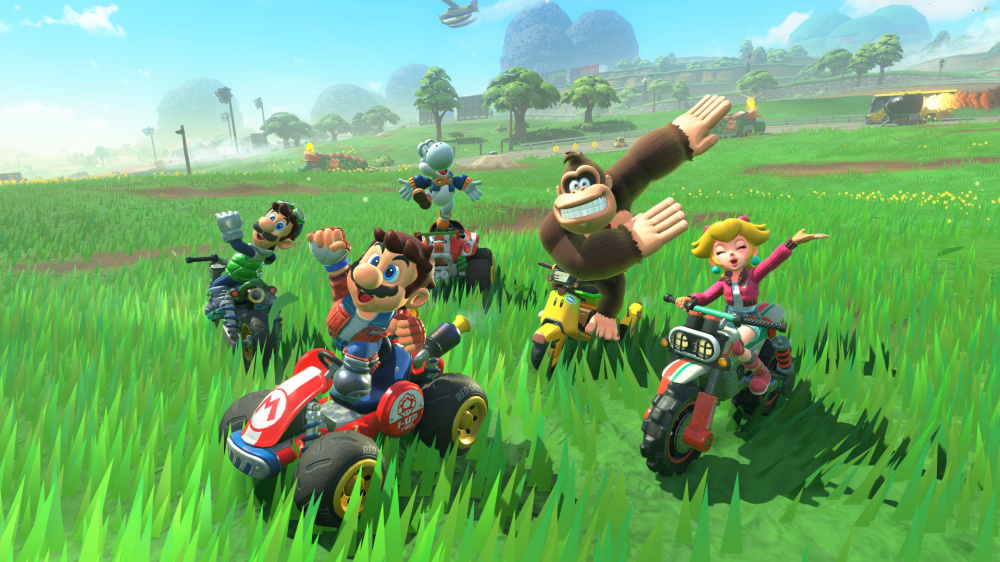
At the top of the weekly software sales chart is "Mario Kart World" for the Nintendo Switch 2, which sold 103,861 copies this week alone. This impressive performance brings its cumulative total to over 2.45 million units since launch, further cementing the Mario Kart franchise’s stature as a perennial best-seller in Japan. Following closely is "Pokemon Legends: Z-A," with the Nintendo Switch version moving 50,292 copies this week for a combined runtime total of 1,397,534, while the Nintendo Switch 2 Edition follows with 40,813 sales, bringing that variant to 903,190 life-to-date units. These figures demonstrate a robust appetite among Japanese players for the dual-platform releases of major software hitting both legacy and current Nintendo hardware.
Other leading titles include "Kirby Air Riders" (Nintendo Switch 2 Edition), tallying 39,206 weekly sales and reaching 327,824 total units, and the enduring party favorite "Momotaro Dentetsu 2," with both its original Switch release (18,015/week, 177,007/total) and Switch 2 Edition (18,964/week, 132,058/total) placing prominently. "Donkey Kong Bananza" also maintains impressive momentum, selling 12,519 more copies to surpass 403,783 sales in total on the Switch 2.
Longstanding Nintendo Switch games such as "Minecraft" (11,770/4,078,169), "Animal Crossing: New Horizons" (9,513/8,283,927), and "Mario Kart 8 Deluxe" (6,884/6,488,289) continue to exhibit remarkable selling power, even years after their initial digital and physical releases via the Nintendo eShop and retail. Notably, these classics are joined by new releases such as "Hyrule Warriors: Age of Imprisonment" and "Super Mario Party Jamboree," both of which have quickly established strong showings on the new Switch 2 hardware.
Famitsu’s comprehensive coverage offers clear evidence of Nintendo’s unyielding grip on the Japanese market. Combined, the top thirty titles showcase a diverse array of first- and third-party releases, with several franchises—such as "Dragon Quest 1 & 2 HD-2D Remake," "Octopath Traveler 0," and family-oriented experiences like "Tamagotchi Plaza"—demonstrating strong multi-platform support and broad consumer appeal.
These robust numbers illustrate not only the power of Nintendo’s software pipeline but also the strategic importance of dual releases as the company transitions its audience from the veteran Switch to the new Switch 2 hardware. As weekly physical and digital sales continue to be chronicled by outlets like Famitsu, industry analysts will closely track these trends to gauge ongoing consumer demand and the overall health of the Japanese games market.
For more Japanese sales figures and in-depth platform analysis, credit goes to Famitsu, the gold standard in Japanese gaming journalism.
Nintendo Switch 2 Titles Dominate Latest Japanese Software Sales Charts
Nintendo News Hub
Game Pages Mentioned In This Article
Use these Nintendo Switch game pages to keep exploring the titles connected to this story, including related genres, developers, screenshots, and more coverage.
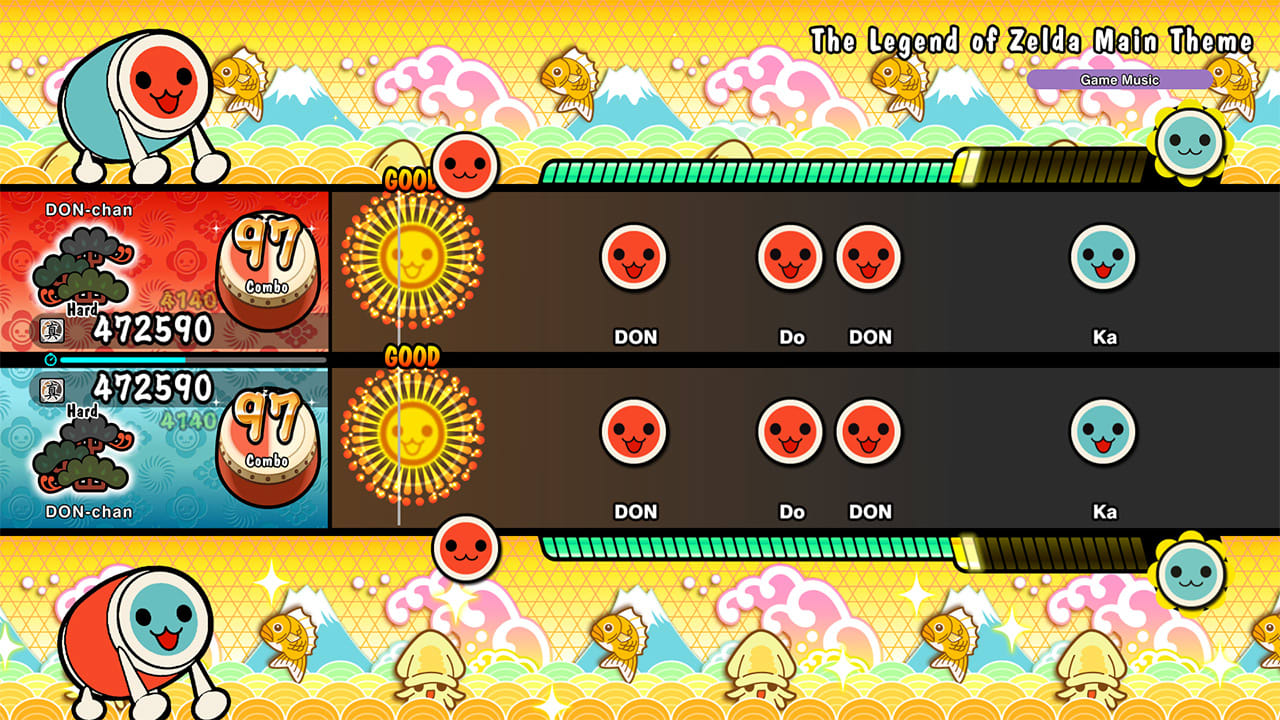
Taiko no Tatsujin: Rhythm Festival
Bandai Namco Entertainment · Casual · 2022
View game page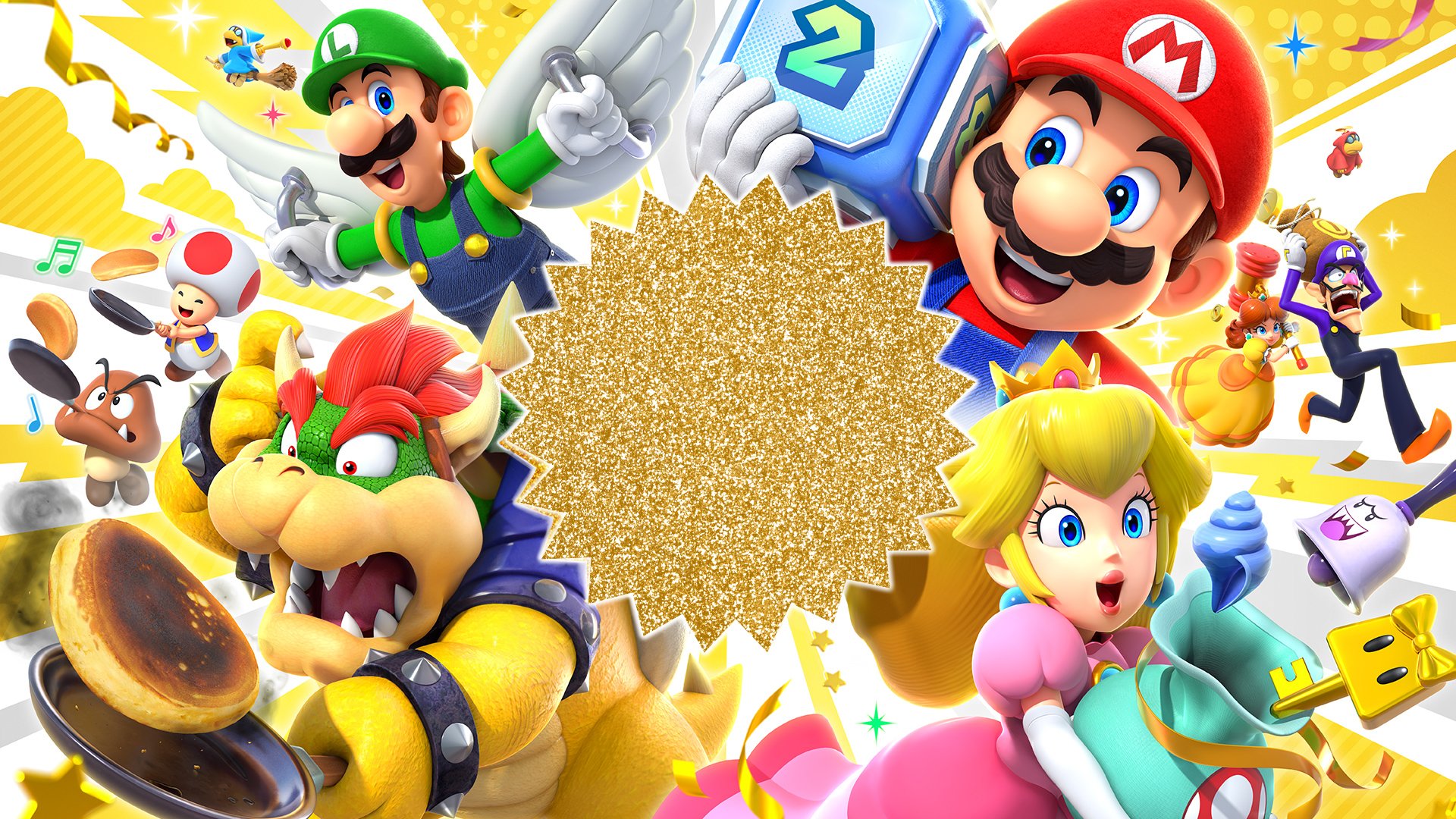
Super Mario Party Jamboree
Nd Cube · Adventure · 2024
View game page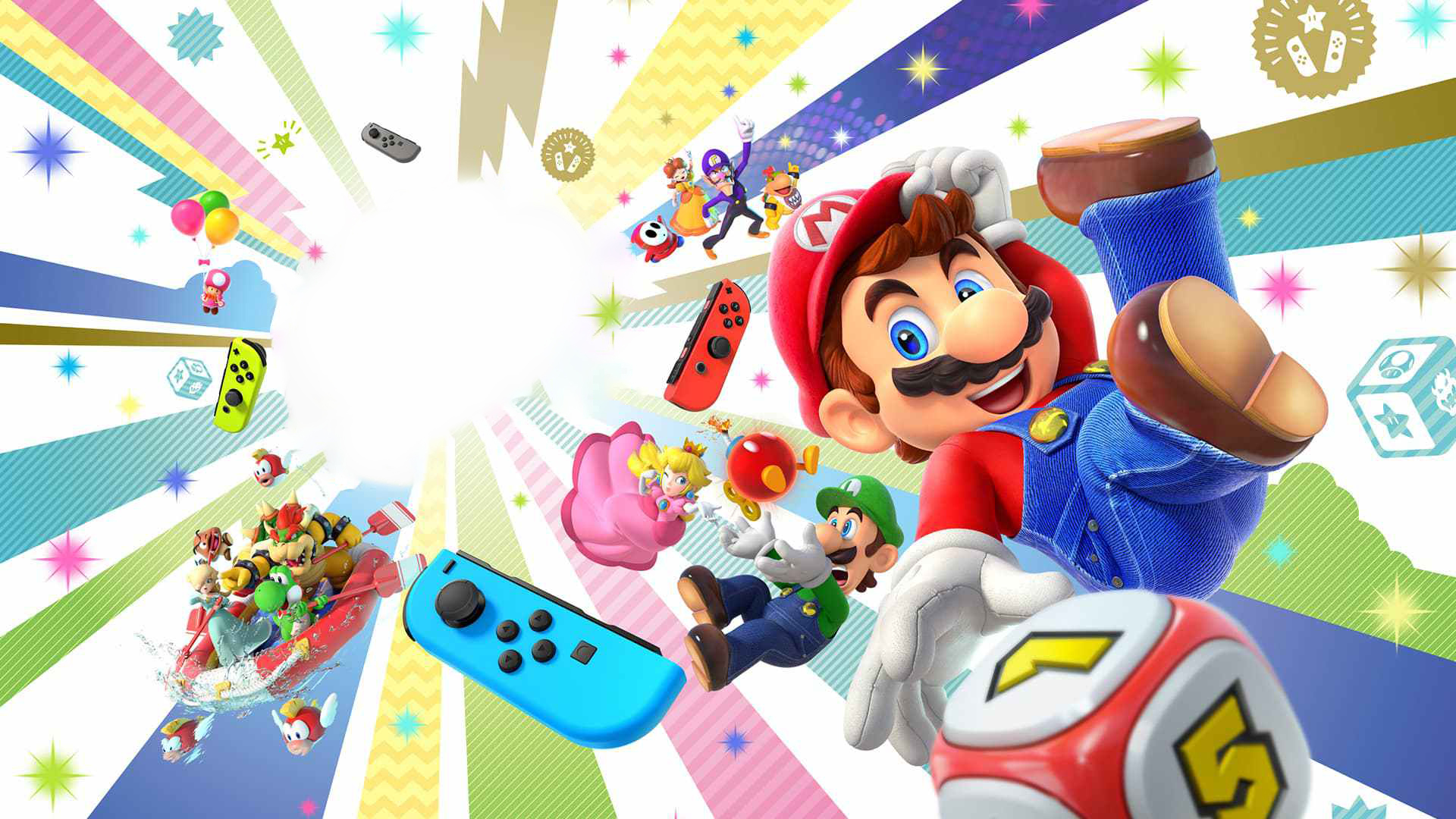
Super Mario Party
NDCube · Family · 2018
View game page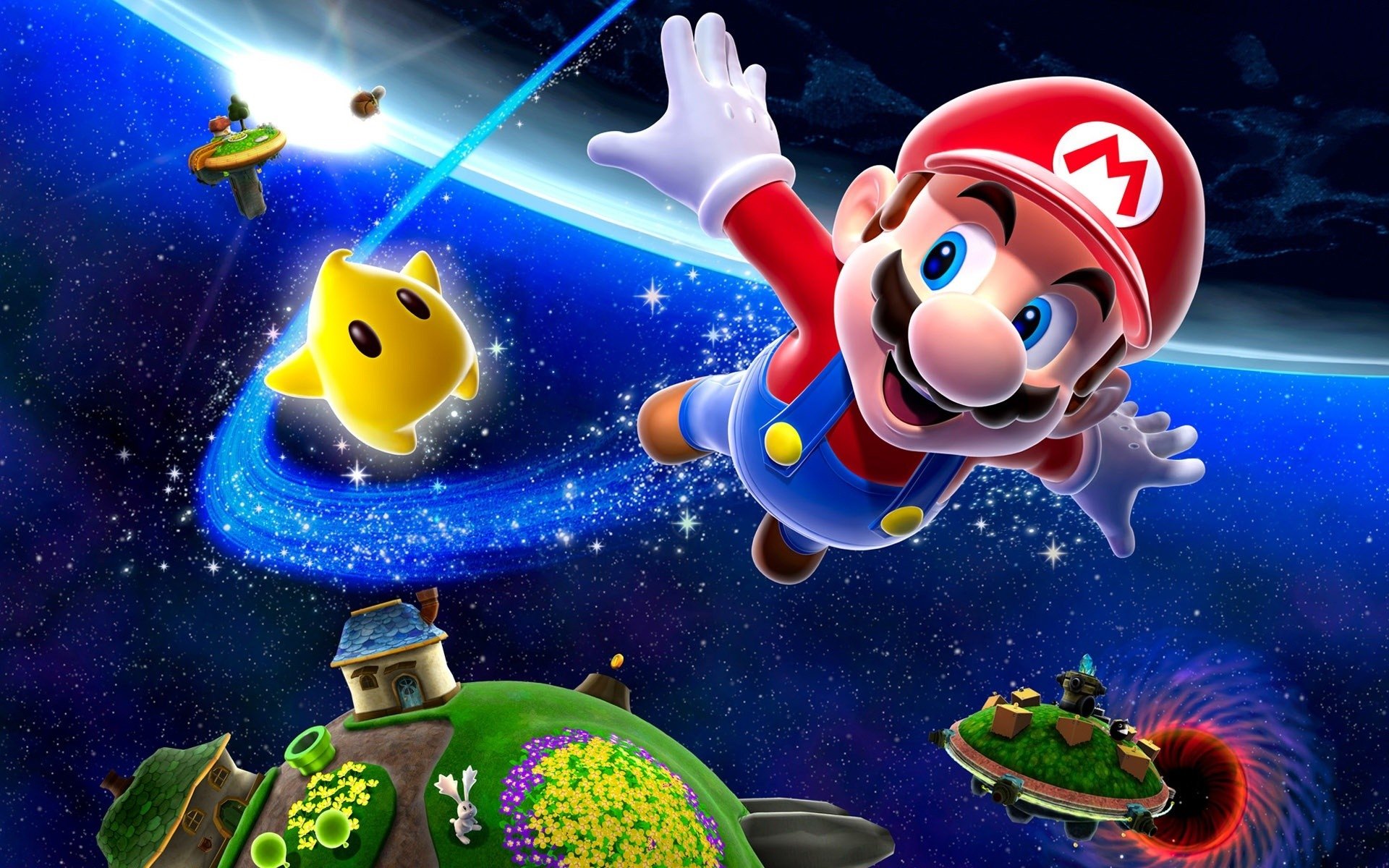
Super Mario Galaxy
Nintendo · Platformer · 2007
View game page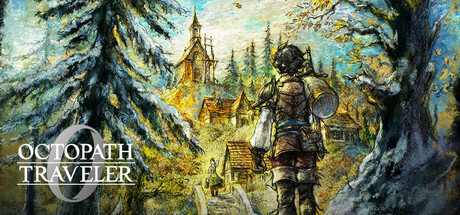
Octopath Traveler 0
RPG · 2025
View game page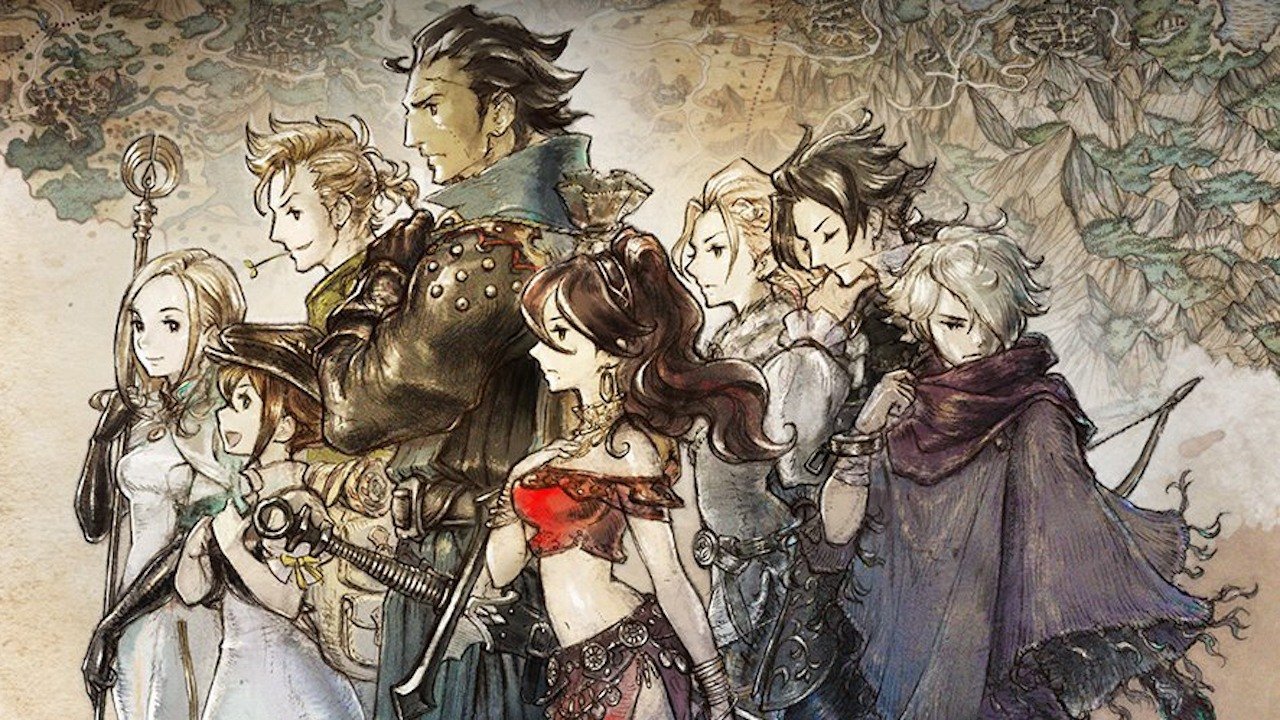
Octopath Traveler
Square Enix · Adventure · 2018
View game pageRelated Topics
Explore more articles about these topics:
Source: NintendoEverything