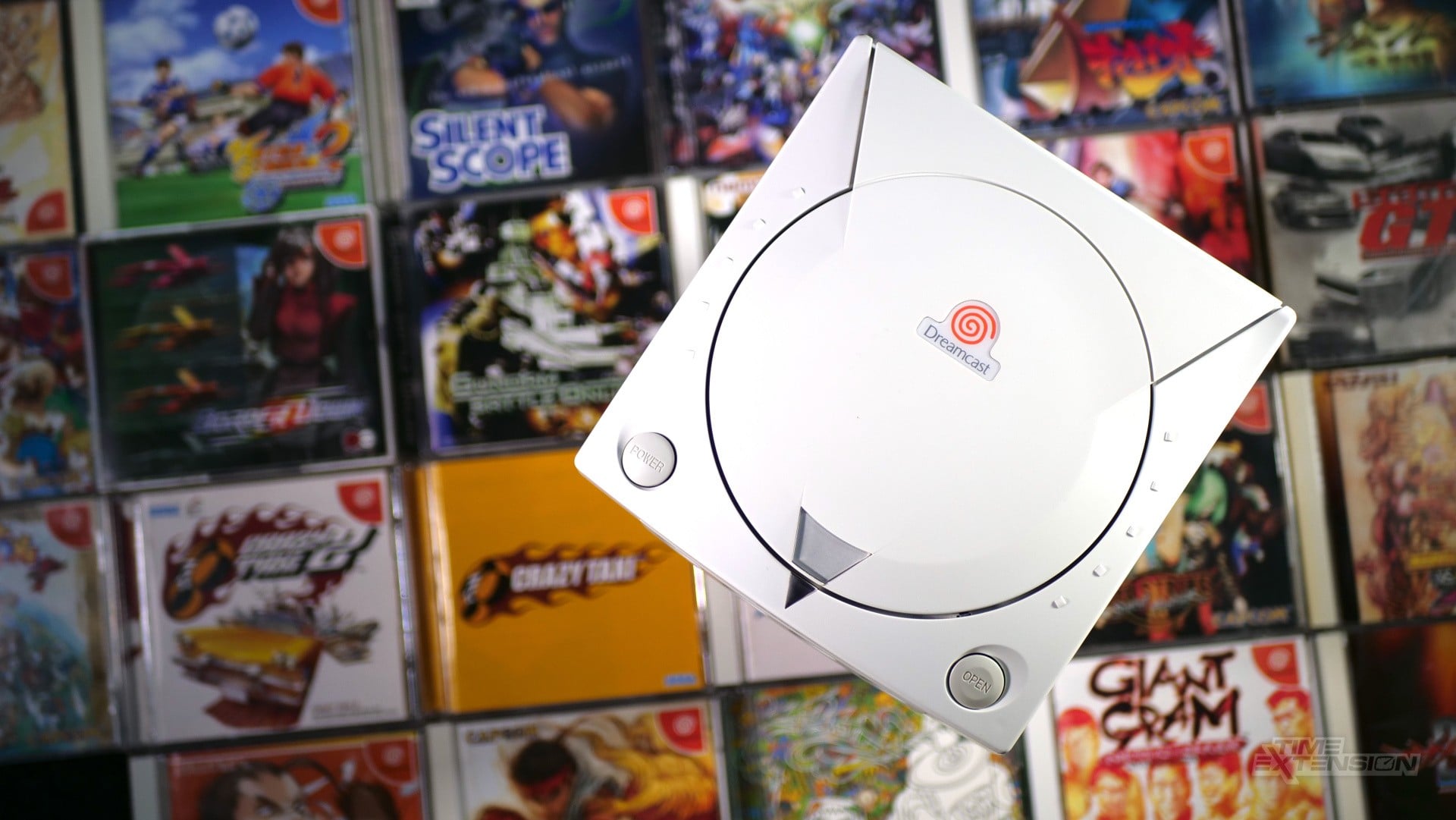


The Sega Dreamcast remains one of the most discussed and studied consoles from the late 1990s, and a recent technical breakdown has shed new light on how its iconic startup logo is rendered.
Sega launched the Dreamcast in Japan on November 27, 1998, followed by North America on September 9, 1999, and Europe on October 14, 1999.
The system was discontinued as a commercial platform on March 31, 2001, after selling roughly 9.13 million units worldwide, but its hardware and software continue to attract attention from preservationists and content creators.
A new video from YouTuber NekoEye examines the Dreamcast boot sequence and demonstrates that the console’s swirl logo is produced as a real-time 3D render rather than a pre-rendered movie.
The investigation appears to have been prompted in part by recent coverage from Boundary Break showing that the Xbox startup also runs in real time, spurring fresh interest in how older consoles generate their branded intros.
NekoEye’s footage walks through the 3D elements that compose the Dreamcast logo.
In journalistic terms, the creator shows that the text is positioned inside a white cube and that the spiral mark is formed by a textured surface covered by many white polygons.
Rather than removing those polygons from memory when they are no longer needed, the Dreamcast BIOS conceals them by letting them disappear inside the cube.
According to NekoEye’s explanation, hiding geometry is faster than explicitly erasing it from memory and avoids additional drawing-control routines—an economy of design consistent with the tight memory and processing constraints of late-1990s console BIOS code.
That explanation highlights a pragmatic approach developers and system designers used at the time: minimize runtime overhead by using visibility tricks, not heavy memory management.
The video and analysis offer a clear example of how hardware limits shaped visual presentation on the Dreamcast and why enthusiasts continue to dissect classic consoles to understand their engineering.
Interest in retro rendering techniques keeps the Dreamcast in the conversation today, alongside many classic games that have been preserved or re-released on modern platforms and digital storefronts such as the Nintendo eShop and Nintendo Switch.
For developers and historians alike, investigations like NekoEye’s reinforce the value of hands-on analysis when studying console-era constraints and creative solutions.
Sega launched the Dreamcast in Japan on November 27, 1998, followed by North America on September 9, 1999, and Europe on October 14, 1999.
The system was discontinued as a commercial platform on March 31, 2001, after selling roughly 9.13 million units worldwide, but its hardware and software continue to attract attention from preservationists and content creators.
A new video from YouTuber NekoEye examines the Dreamcast boot sequence and demonstrates that the console’s swirl logo is produced as a real-time 3D render rather than a pre-rendered movie.
The investigation appears to have been prompted in part by recent coverage from Boundary Break showing that the Xbox startup also runs in real time, spurring fresh interest in how older consoles generate their branded intros.
NekoEye’s footage walks through the 3D elements that compose the Dreamcast logo.
In journalistic terms, the creator shows that the text is positioned inside a white cube and that the spiral mark is formed by a textured surface covered by many white polygons.
Rather than removing those polygons from memory when they are no longer needed, the Dreamcast BIOS conceals them by letting them disappear inside the cube.
According to NekoEye’s explanation, hiding geometry is faster than explicitly erasing it from memory and avoids additional drawing-control routines—an economy of design consistent with the tight memory and processing constraints of late-1990s console BIOS code.
That explanation highlights a pragmatic approach developers and system designers used at the time: minimize runtime overhead by using visibility tricks, not heavy memory management.
The video and analysis offer a clear example of how hardware limits shaped visual presentation on the Dreamcast and why enthusiasts continue to dissect classic consoles to understand their engineering.
Interest in retro rendering techniques keeps the Dreamcast in the conversation today, alongside many classic games that have been preserved or re-released on modern platforms and digital storefronts such as the Nintendo eShop and Nintendo Switch.
For developers and historians alike, investigations like NekoEye’s reinforce the value of hands-on analysis when studying console-era constraints and creative solutions.