
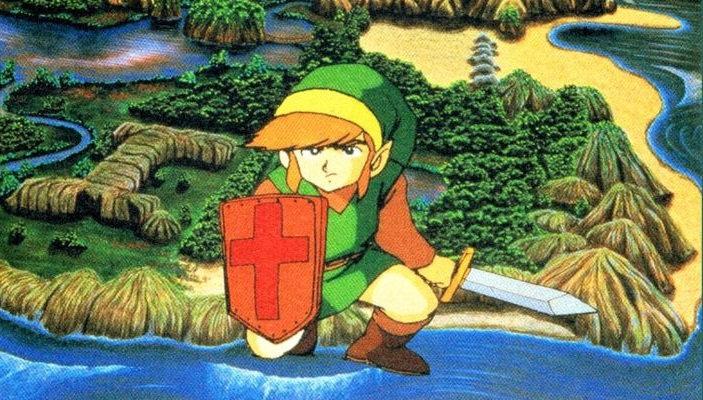
The newly released remake of The Legend of Zelda: Ocarina of Time has reignited debate about art direction in Nintendo's flagship series.
The original Ocarina of Time debuted on the Nintendo 64 in 1998 and is widely regarded as a landmark in 3D game design.
Over the years, Nintendo has deliberately reinvented the visual identity of Zelda entries—from the cel-shaded look of The Wind Waker on GameCube to the painterly tone of Skyward Sword on Wii (with a later HD edition on Nintendo Switch)—and most recently the toy-like diorama aesthetic of the 2019 Link's Awakening remake on Nintendo Switch, developed by Grezzo.
In a conversation with Polygon, longtime series producer Eiji Aonuma addressed the pronounced stylistic shift in the Ocarina remake.
Aonuma emphasized that Nintendo does not pursue change merely for novelty; instead, the company opts for meaningful alterations when they serve the game's character and impact.
He argued that sticking to an expected or safe visual approach can forfeit an opportunity to create a memorable experience for players.
Aonuma also acknowledged the natural shock that accompanies a new visual direction.
He said the development team itself sometimes reacts with surprise when a fresh art style is first revealed, but that initial surprise is often followed by acceptance and an understanding of why the style fits the title’s distinct qualities.
In his view, encountering that surprise can be a productive part of finding the right aesthetic.
Commenting on contemporary coverage, freelance critic Peter Glagowski—who has written about Nintendo and Zelda for several years—speculated that Nintendo may be experimenting with this art style in the remake to refine it for future mainline entries.
That suggestion was presented as opinion rather than an official roadmap from Nintendo.
The conversation around the Ocarina remake underscores a recurring pattern in Zelda's history: Nintendo treats art direction as a deliberate design choice.
Announcements about remakes and new Zelda projects have long appeared in Nintendo Direct presentations or on the Nintendo eShop, and developers such as Grezzo have played a notable role in recent remakes (for example, Ocarina of Time 3D on Nintendo 3DS in 2011 and Link's Awakening on Switch in 2019).
For industry observers, Aonuma’s comments clarify that stylistic risk-taking is an intentional part of Nintendo’s development philosophy rather than a departure made lightly.



