A decades-old secret in Williams' 1983 arcade title Bubbles has been revealed after more than 40 years.
The discovery, reported by coder Dan Gibson, exposes a hidden licensing screen that can be triggered from the game's attract mode by a specific joystick-and-button input.
The screen displays Williams' licensing information alongside the bold message "This is Bubbles," a declaration that went unnoticed since the game’s original release in 1983.
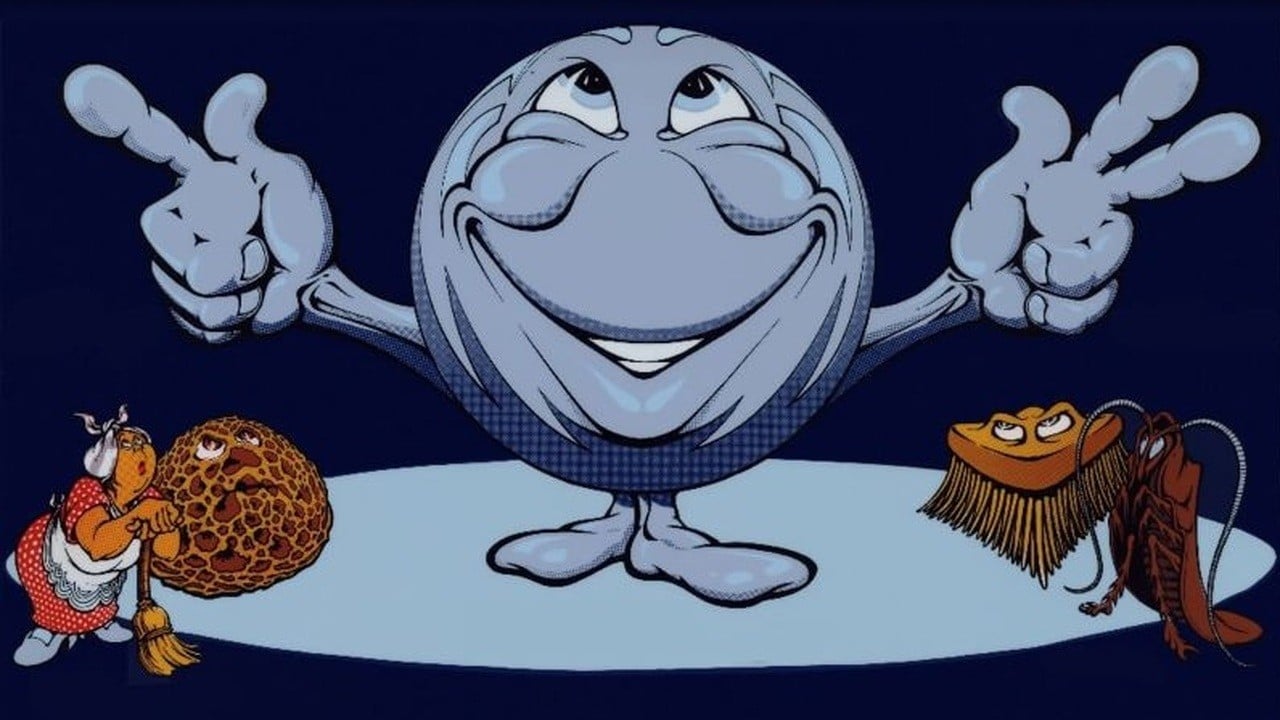
Bubbles is a single-screen action game released by Williams Electronics in 1983.
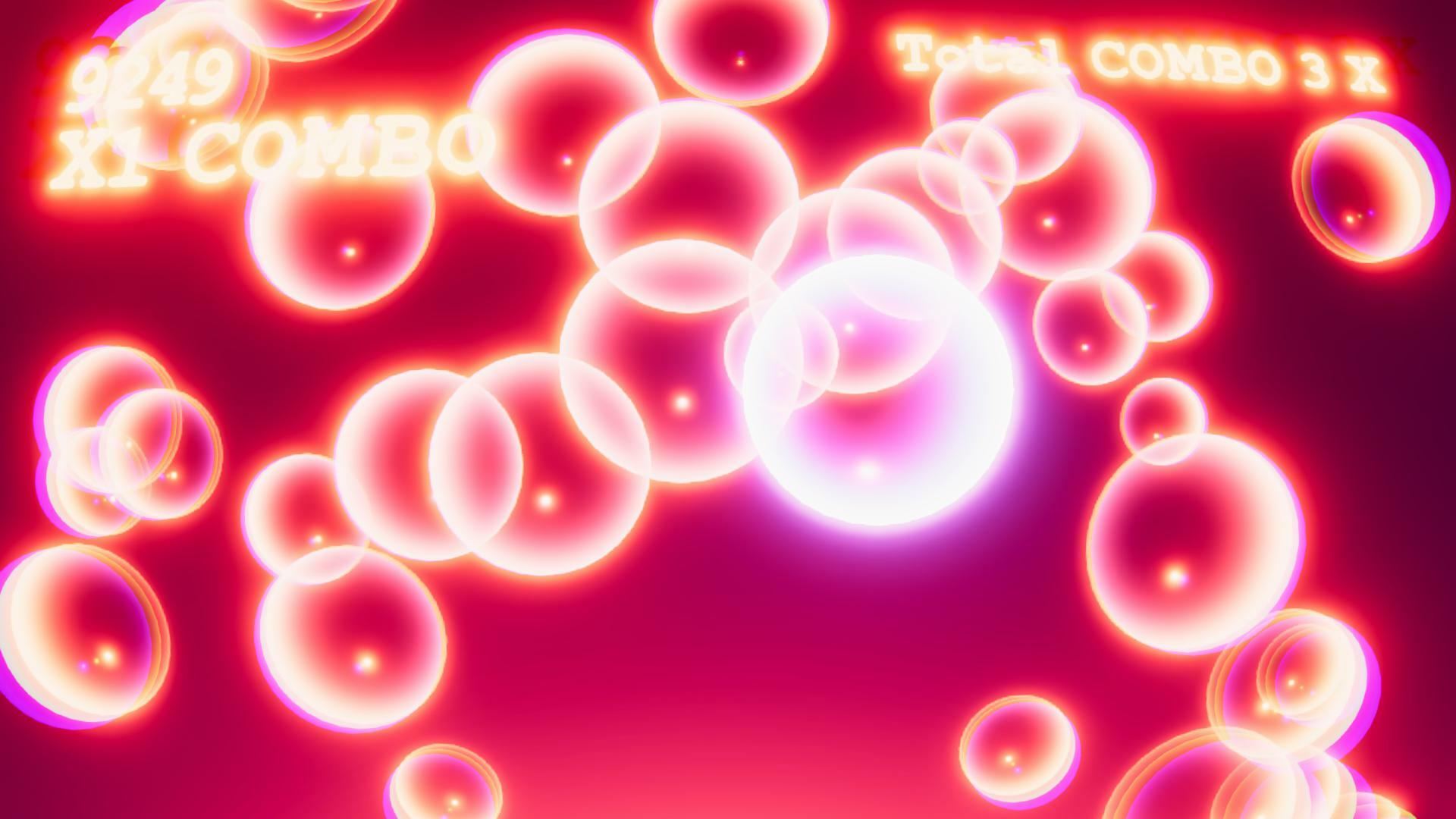
The game's premise casts the player as a sentient bubble tasked with cleaning a sink: the bubble grows as it picks up grime and must dodge scrubbing brushes and sharp objects while using a broom to clear insect infestations and finish each stage.
The title stands as one of Williams’ distinctive arcade experiments from the early 1980s alongside coin-op classics such as Sinistar (1982).
Moon Patrol (1982) is another notable early-1980s arcade game often discussed alongside Williams-era coin-op culture.
Gibson found the hidden screen while working with 1980s blitter chips and experimenting on original hardware.
According to his report, holding down a particular joystick direction and button combination during attract mode forces a system reboot that brings up the hidden licensing display.
The screen’s prominent line — "This is Bubbles" — serves as a literal identifier embedded in the game ROM.
Gibson suggested the licensing screen may have been intended as an ownership marker or rudimentary anti-piracy measure; in his words, operators could call up the screen to demonstrate that the board carried Williams' original code.
The input sequence required to reach the screen is relatively cumbersome, which aligns with the idea that it was designed for operator use rather than for players.
The find is notable for archivists and preservationists who track hidden content and developer practices in vintage arcade hardware.
Discoveries like Gibson’s help document how developers communicated ownership and branding in an era before widespread software protection.
While Bubbles remains a 1983 arcade original, renewed interest in arcade history sometimes translates into re-releases or collections on modern platforms such as the Nintendo Switch via the eShop, often announced through events like Nintendo Direct.
For collectors, historians, and Williams enthusiasts, the "This is Bubbles" screen is a small but concrete example of how arcade makers left signatures in their software — details that can surface only through hands-on hardware work and continued archival effort.