
Tomb Raider: Definitive Edition, the celebrated action-adventure title from Crystal Dynamics, recently saw a shadow drop release on both Nintendo Switch and the newly launched Switch 2.
This release marks a significant milestone, introducing the enhanced edition of Lara Croft’s iconic journey to Nintendo’s handheld-hybrid platforms, and offering longtime fans and newcomers a portable way to experience the game’s high-stakes adventure.
A detailed technical analysis from Digital Foundry has provided valuable insights into how the game fares on Nintendo’s hardware, especially the Switch 2, following its arrival on the Nintendo eShop.
Digital Foundry’s Thomas Morgan took a comprehensive look at the performance targets and visual fidelity of Tomb Raider: Definitive Edition on both Switch models.
In a favorable assessment for the Switch 2, Morgan highlighted that the title aims for, and largely achieves, a consistent 60 frames per second in both handheld and docked modes.
According to the review, there were “minimal frame rate drops” during gameplay, ensuring a smooth and responsive experience for players.
This consistent performance is a notable achievement, especially given the hardware’s portable nature compared to traditional home consoles.
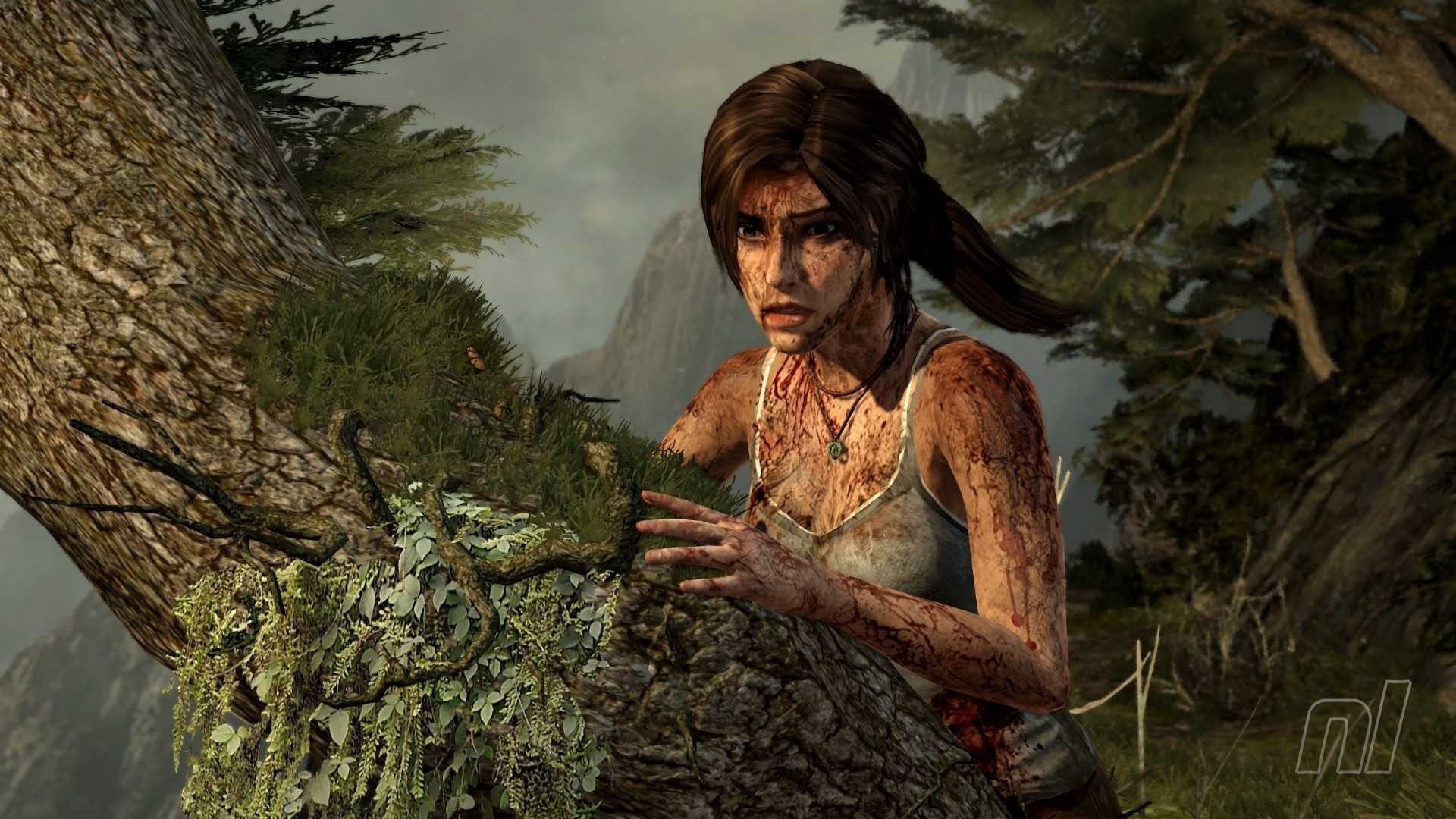
Beyond frame rates, the Definitive Edition on both Switch and Switch 2 includes several graphical upgrades over the game’s initial PS3 release.
Key improvements cited by Digital Foundry include enhanced texture quality, more sophisticated foliage placement, improved color grading, and the ability to render at a crisp 1920x1080p resolution in docked mode, which is also achievable in handheld.
These enhancements contribute to a modernized visual presentation, aligning the Switch version with other current-gen re-releases in several areas.
However, Digital Foundry’s analysis also uncovered substantial visual compromises on the Nintendo platforms.
To achieve stable performance, elements such as shadow density and foliage thickness have been cut back.
Advanced graphical features—like the celebrated TRESSFX hair rendering for Lara Croft—are missing, and various in-game cinematics present noticeably simplified visuals.
In Morgan’s words, the Switch 2 release "lagged behind the PS4 version" in several respects; surprisingly, there are even instances where certain effects and geometry fall short of the original PS3 release, with absent rain effects, lower polygonal detail, and reduced screen coverage for shadows.
Despite these trade-offs, the Switch 1 version remains technically commendable.
It targets a 30fps frame rate—occasionally dipping during graphically intensive cutscenes—and displays at a "respectable" 864p to 900p resolution.
While shadow quality sees further reductions, Digital Foundry concluded that the overall visuals on the original Switch "hold up better than expected" for Nintendo’s legacy hardware.
Players interested in the full depth of Digital Foundry’s technical review can find their comprehensive video and article coverage on their platform.
As Tomb Raider: Definitive Edition expands its presence on Nintendo Switch and Switch 2, the port demonstrates the enduring appeal of Lara Croft’s adventures—bolstered by strong performance, but tempered by necessary visual compromises unique to the hardware.
This release marks a significant milestone, introducing the enhanced edition of Lara Croft’s iconic journey to Nintendo’s handheld-hybrid platforms, and offering longtime fans and newcomers a portable way to experience the game’s high-stakes adventure.
A detailed technical analysis from Digital Foundry has provided valuable insights into how the game fares on Nintendo’s hardware, especially the Switch 2, following its arrival on the Nintendo eShop.
Digital Foundry’s Thomas Morgan took a comprehensive look at the performance targets and visual fidelity of Tomb Raider: Definitive Edition on both Switch models.
In a favorable assessment for the Switch 2, Morgan highlighted that the title aims for, and largely achieves, a consistent 60 frames per second in both handheld and docked modes.
According to the review, there were “minimal frame rate drops” during gameplay, ensuring a smooth and responsive experience for players.
This consistent performance is a notable achievement, especially given the hardware’s portable nature compared to traditional home consoles.
Beyond frame rates, the Definitive Edition on both Switch and Switch 2 includes several graphical upgrades over the game’s initial PS3 release.
Key improvements cited by Digital Foundry include enhanced texture quality, more sophisticated foliage placement, improved color grading, and the ability to render at a crisp 1920x1080p resolution in docked mode, which is also achievable in handheld.
These enhancements contribute to a modernized visual presentation, aligning the Switch version with other current-gen re-releases in several areas.
However, Digital Foundry’s analysis also uncovered substantial visual compromises on the Nintendo platforms.
To achieve stable performance, elements such as shadow density and foliage thickness have been cut back.
Advanced graphical features—like the celebrated TRESSFX hair rendering for Lara Croft—are missing, and various in-game cinematics present noticeably simplified visuals.
In Morgan’s words, the Switch 2 release "lagged behind the PS4 version" in several respects; surprisingly, there are even instances where certain effects and geometry fall short of the original PS3 release, with absent rain effects, lower polygonal detail, and reduced screen coverage for shadows.
Despite these trade-offs, the Switch 1 version remains technically commendable.
It targets a 30fps frame rate—occasionally dipping during graphically intensive cutscenes—and displays at a "respectable" 864p to 900p resolution.
While shadow quality sees further reductions, Digital Foundry concluded that the overall visuals on the original Switch "hold up better than expected" for Nintendo’s legacy hardware.
Players interested in the full depth of Digital Foundry’s technical review can find their comprehensive video and article coverage on their platform.
As Tomb Raider: Definitive Edition expands its presence on Nintendo Switch and Switch 2, the port demonstrates the enduring appeal of Lara Croft’s adventures—bolstered by strong performance, but tempered by necessary visual compromises unique to the hardware.