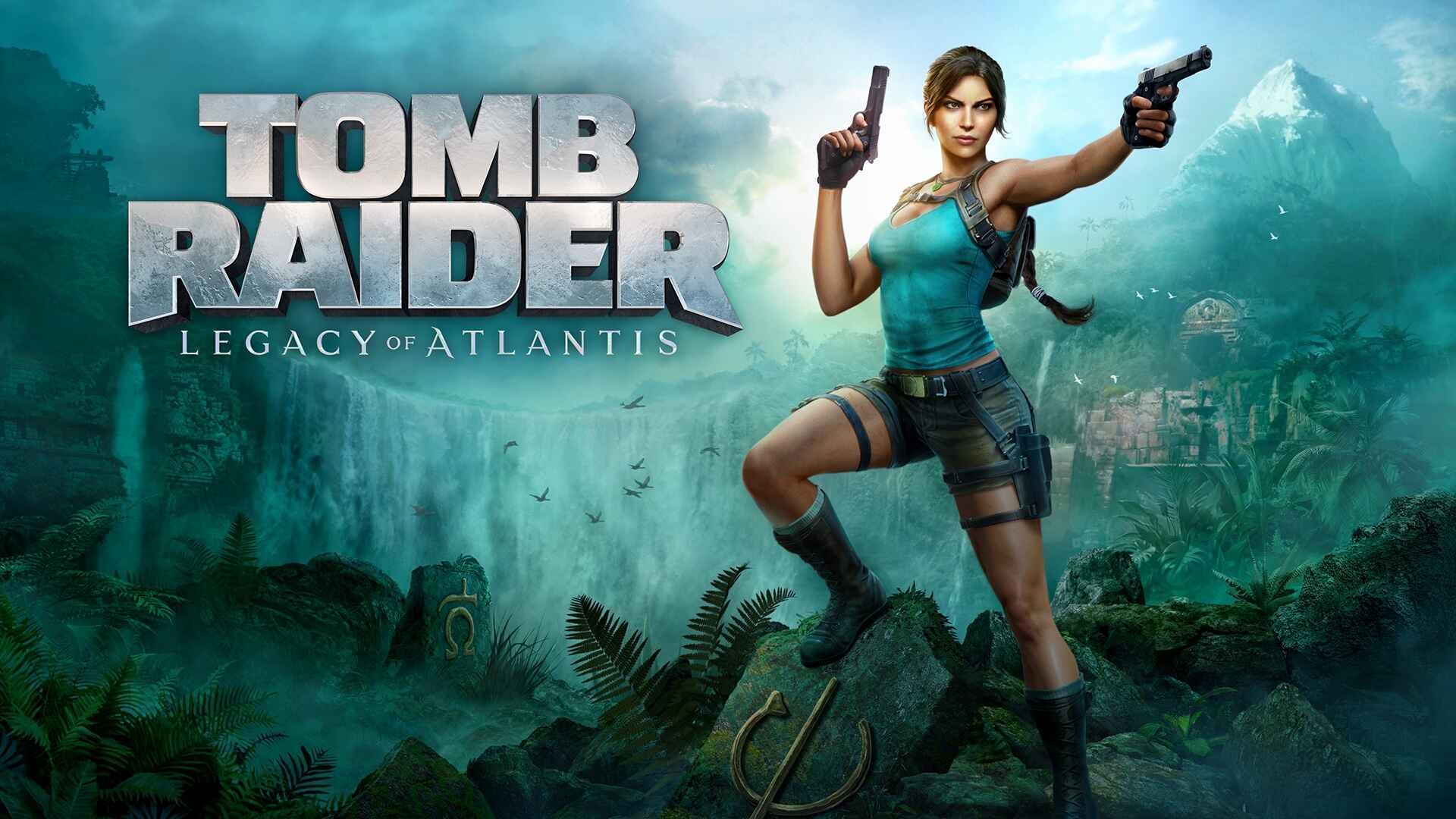
Crystal Dynamics has publicly clarified how it used AI-assisted tools while developing Tomb Raider: Legacy of Atlantis, the studio’s forthcoming reimagining of the 1996 original.
The game is confirmed for launch on Nintendo's next console, the Switch 2, on February 12, 2027, and the developer’s disclosure appeared alongside the title’s Steam store listing after fans noted an “AI-generated content disclosure.”
Background and context
Tomb Raider: Legacy of Atlantis is a modern reimagining of the franchise’s 1996 debut.
Crystal Dynamics, the long-standing steward of the Tomb Raider series, is leading development.
The Steam listing included a notice that AI-assisted tools were employed during early stages of development for exploratory and temporary content, prompting questions from the community and coverage from outlets including Nintendo Life and Eurogamer.
Developer response summarized
In a statement provided to Eurogamer, Crystal Dynamics confirmed it integrates AI tools into its development pipeline to accelerate iteration.
The studio emphasized that such tools are used to help teams explore ideas and move faster during early development cycles.
Crystal Dynamics added that all final, released content in the finished product is crafted and approved by human developers, and that AI-assisted assets were either replaced or refined by humans to protect the team’s creative and artistic vision.
Paraphrasing the studio’s explanation: the company uses AI to streamline internal workflows and empower developer creativity, while retaining human oversight and authorship on all final assets.
What the Steam disclosure says
The Steam disclosure explicitly noted that AI-assisted tools supported “early exploration and temporary development content.” It also stated that any AI-assisted assets present during development were subsequently replaced or refined by human artists and designers to maintain the intended creative direction.
Implications and next steps
The clarification comes ahead of the game’s February 12, 2027 release on Switch 2 and adds transparency around how modern studios are incorporating AI into production pipelines.
Crystal Dynamics’ statement and the Steam disclosure provide a documented example of a major publisher balancing tool-assisted workflows with human-led creative control.
For further coverage of Tomb Raider: Legacy of Atlantis, including hands-on impressions and gameplay footage, see prior reporting from Nintendo Life.
The game is confirmed for launch on Nintendo's next console, the Switch 2, on February 12, 2027, and the developer’s disclosure appeared alongside the title’s Steam store listing after fans noted an “AI-generated content disclosure.”
Background and context
Tomb Raider: Legacy of Atlantis is a modern reimagining of the franchise’s 1996 debut.
Crystal Dynamics, the long-standing steward of the Tomb Raider series, is leading development.
The Steam listing included a notice that AI-assisted tools were employed during early stages of development for exploratory and temporary content, prompting questions from the community and coverage from outlets including Nintendo Life and Eurogamer.
Developer response summarized
In a statement provided to Eurogamer, Crystal Dynamics confirmed it integrates AI tools into its development pipeline to accelerate iteration.
The studio emphasized that such tools are used to help teams explore ideas and move faster during early development cycles.
Crystal Dynamics added that all final, released content in the finished product is crafted and approved by human developers, and that AI-assisted assets were either replaced or refined by humans to protect the team’s creative and artistic vision.
Paraphrasing the studio’s explanation: the company uses AI to streamline internal workflows and empower developer creativity, while retaining human oversight and authorship on all final assets.
What the Steam disclosure says
The Steam disclosure explicitly noted that AI-assisted tools supported “early exploration and temporary development content.” It also stated that any AI-assisted assets present during development were subsequently replaced or refined by human artists and designers to maintain the intended creative direction.
Implications and next steps
The clarification comes ahead of the game’s February 12, 2027 release on Switch 2 and adds transparency around how modern studios are incorporating AI into production pipelines.
Crystal Dynamics’ statement and the Steam disclosure provide a documented example of a major publisher balancing tool-assisted workflows with human-led creative control.
For further coverage of Tomb Raider: Legacy of Atlantis, including hands-on impressions and gameplay footage, see prior reporting from Nintendo Life.