


Capcom has turned remakes into a pillar of the Resident Evil franchise, rebuilding classic entries while continuing to produce new numbered titles.
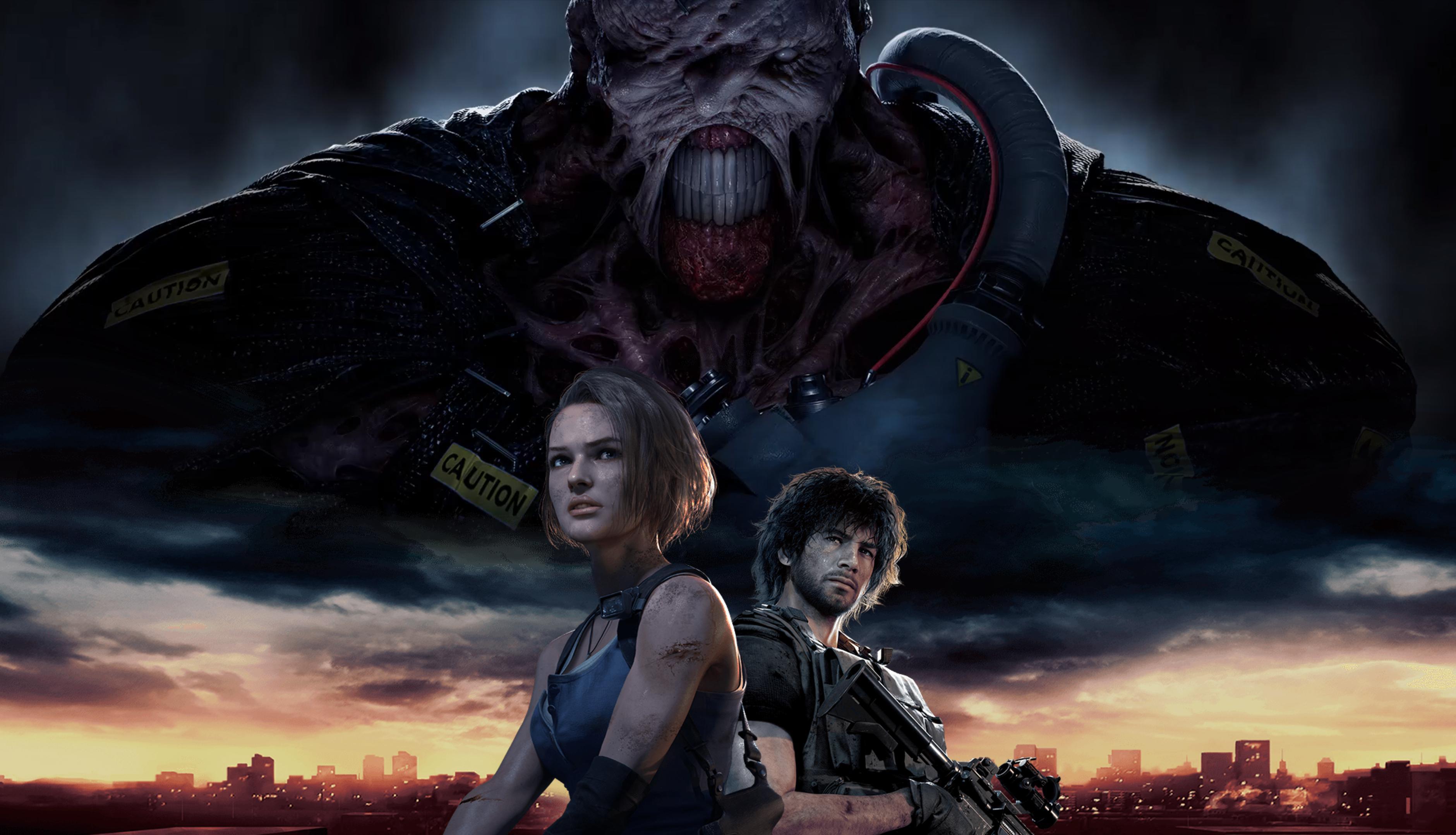
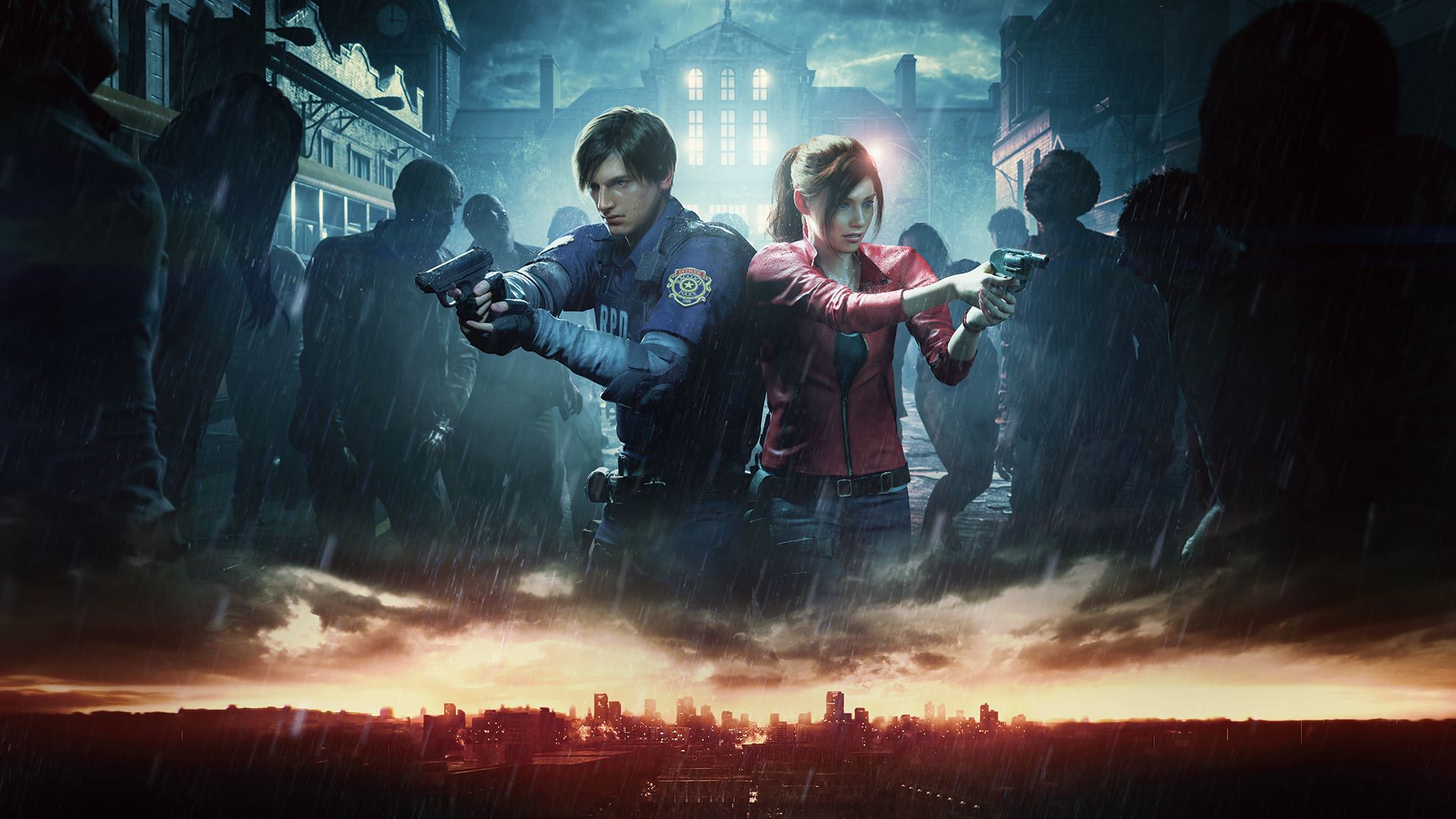
The developer’s recent slate of remakes—Resident Evil 2 (2019), Resident Evil 3 (2020) and Resident Evil 4 (2023)—has modernized legacy stories for new platforms and audiences, while Resident Evil 7 (2017) and Resident Evil Village (2021) have advanced the mainline continuity.
In a new interview published in Japan’s Biohazard 30th Anniversary magazine, Capcom producer Jun Takeuchi outlined how the company is preparing for a point when remakes catch up to the numbered series.
Takeuchi told the magazine that Capcom is pursuing a two-track development strategy: remaking older entries while simultaneously creating new numbered games.
He said the studio has been preparing for the moment those tracks align since the production of Resident Evil Village, and that deliberate inclusions—such as references to Umbrella, mentions of the Spencer family name, and the return of Raccoon City in recent entries—are intended to set the stage for greater narrative crossover between eras.
According to Takeuchi, callbacks and legacy references began as fan service but drew stronger-than-expected responses from players.
The positive reception to Umbrella-related material in Resident Evil 7 marked a turning point, he said, prompting Capcom to orient both new games and remakes around a shared design ethos.
Remakes themselves have also influenced development: revisiting older titles has generated fresh mechanical ideas and design approaches that Capcom can carry into new entries.
For fans and industry observers, the statement clarifies why Capcom has been careful with lore and referencing: the studio appears to be constructing connective tissue so remakes and new games can coexist without contradiction.
The Resident Evil franchise has a long history on Nintendo hardware dating back to the GameCube release of the original Resident Evil 4, and announcements for franchise entries have appeared across platform-focused showcases and storefronts, from consoles to digital services such as the Nintendo eShop and promotional events like Nintendo Direct.
Capcom’s two-track approach represents a deliberate effort to both honor the franchise’s past and evolve its future.
With remakes revitalizing older titles and new numbered games pushing the narrative forward, the company is positioning itself to manage a unified Resident Evil continuity as both development tracks continue to converge.
The developer’s recent slate of remakes—Resident Evil 2 (2019), Resident Evil 3 (2020) and Resident Evil 4 (2023)—has modernized legacy stories for new platforms and audiences, while Resident Evil 7 (2017) and Resident Evil Village (2021) have advanced the mainline continuity.
In a new interview published in Japan’s Biohazard 30th Anniversary magazine, Capcom producer Jun Takeuchi outlined how the company is preparing for a point when remakes catch up to the numbered series.
Takeuchi told the magazine that Capcom is pursuing a two-track development strategy: remaking older entries while simultaneously creating new numbered games.
He said the studio has been preparing for the moment those tracks align since the production of Resident Evil Village, and that deliberate inclusions—such as references to Umbrella, mentions of the Spencer family name, and the return of Raccoon City in recent entries—are intended to set the stage for greater narrative crossover between eras.
According to Takeuchi, callbacks and legacy references began as fan service but drew stronger-than-expected responses from players.
The positive reception to Umbrella-related material in Resident Evil 7 marked a turning point, he said, prompting Capcom to orient both new games and remakes around a shared design ethos.
Remakes themselves have also influenced development: revisiting older titles has generated fresh mechanical ideas and design approaches that Capcom can carry into new entries.
For fans and industry observers, the statement clarifies why Capcom has been careful with lore and referencing: the studio appears to be constructing connective tissue so remakes and new games can coexist without contradiction.
The Resident Evil franchise has a long history on Nintendo hardware dating back to the GameCube release of the original Resident Evil 4, and announcements for franchise entries have appeared across platform-focused showcases and storefronts, from consoles to digital services such as the Nintendo eShop and promotional events like Nintendo Direct.
Capcom’s two-track approach represents a deliberate effort to both honor the franchise’s past and evolve its future.
With remakes revitalizing older titles and new numbered games pushing the narrative forward, the company is positioning itself to manage a unified Resident Evil continuity as both development tracks continue to converge.