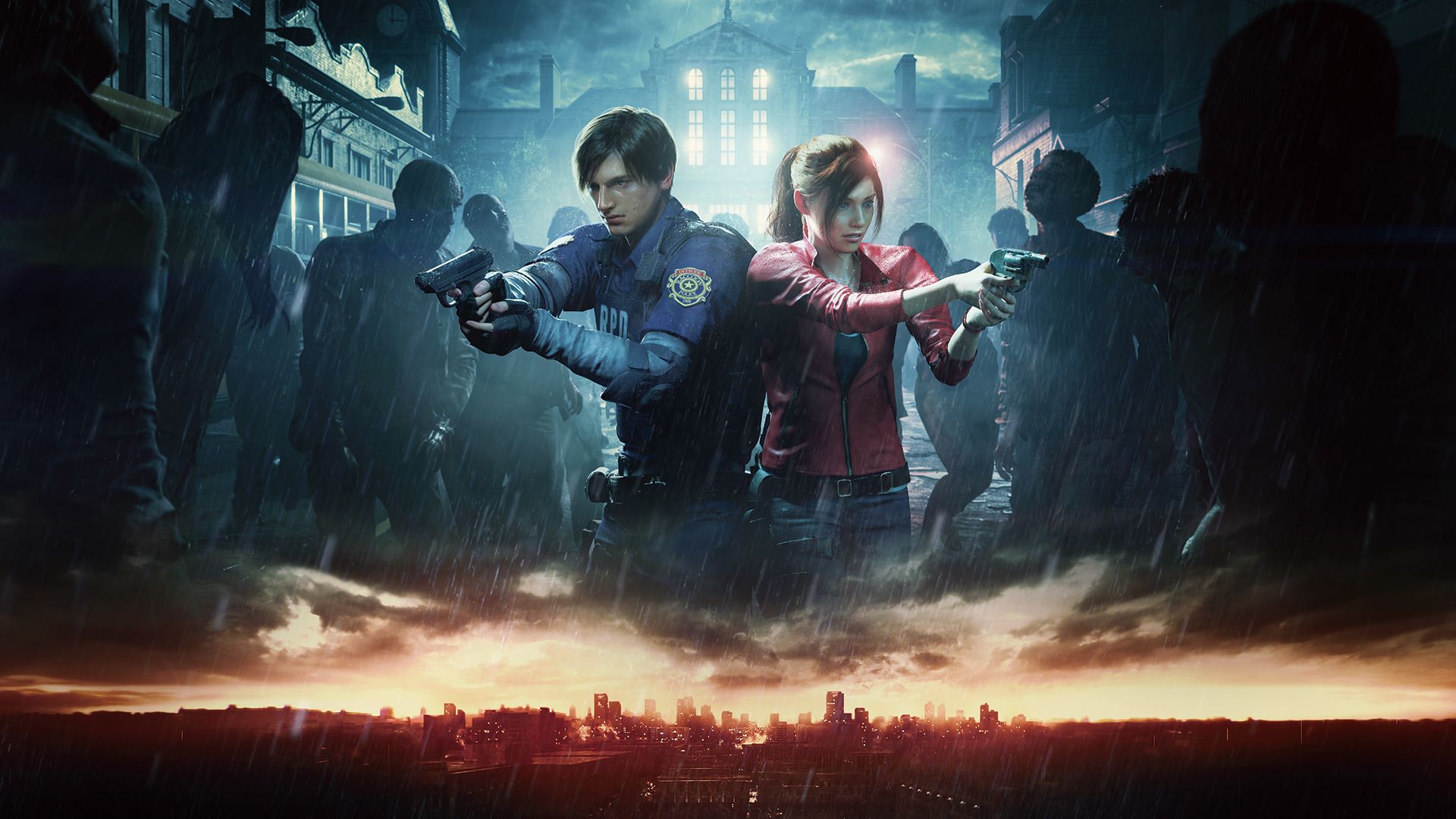
Capcom producer Jun Takeuchi has laid out the company’s reasoning for beginning its modern Resident Evil remake cycle with Resident Evil 2 rather than remaking the franchise’s 1996 debut first.
The explanation appears in the Biohazard 30th Special magazine and provides a development-focused rationale for the order of Capcom’s remakes.
Context and remake history
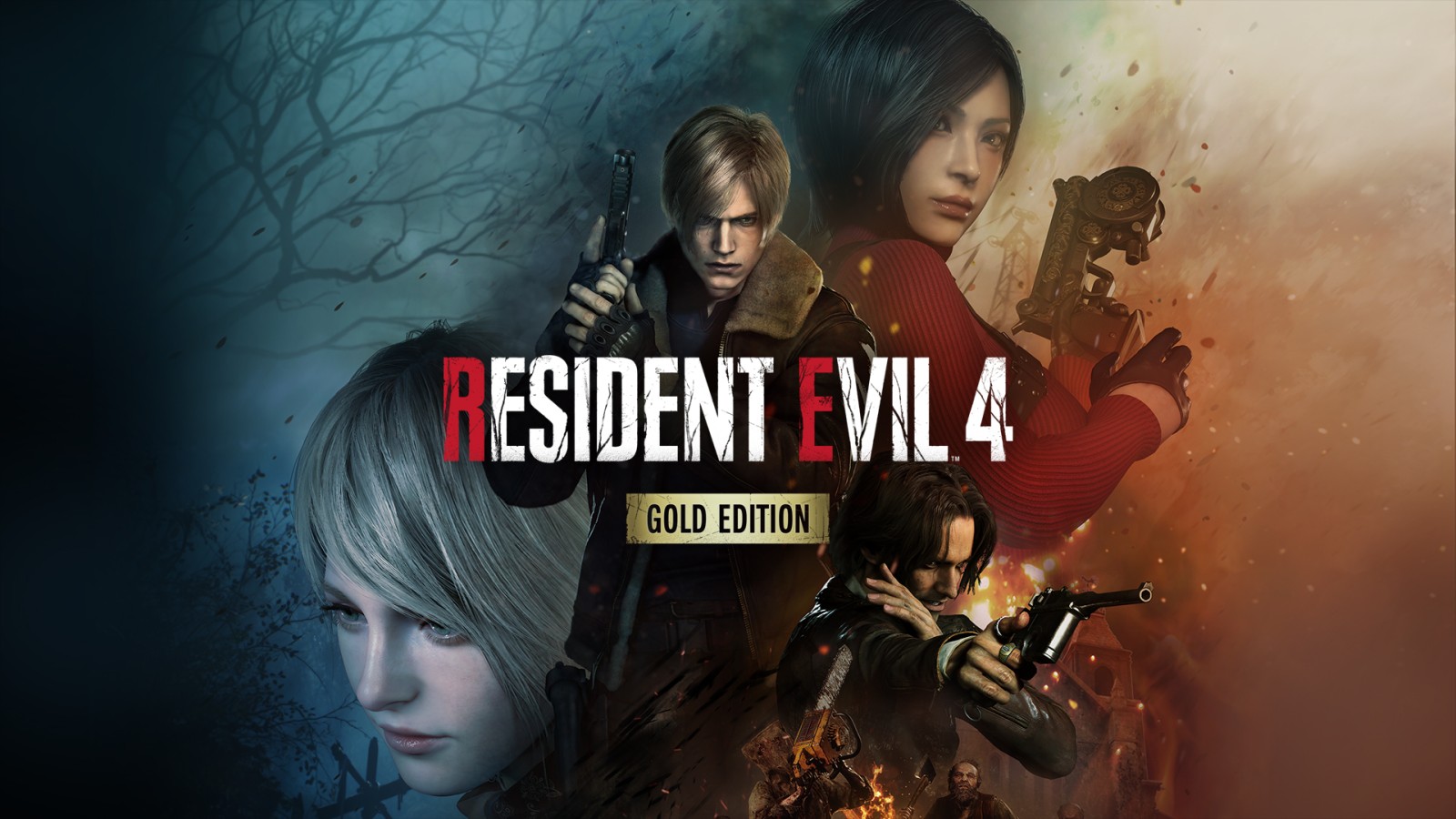
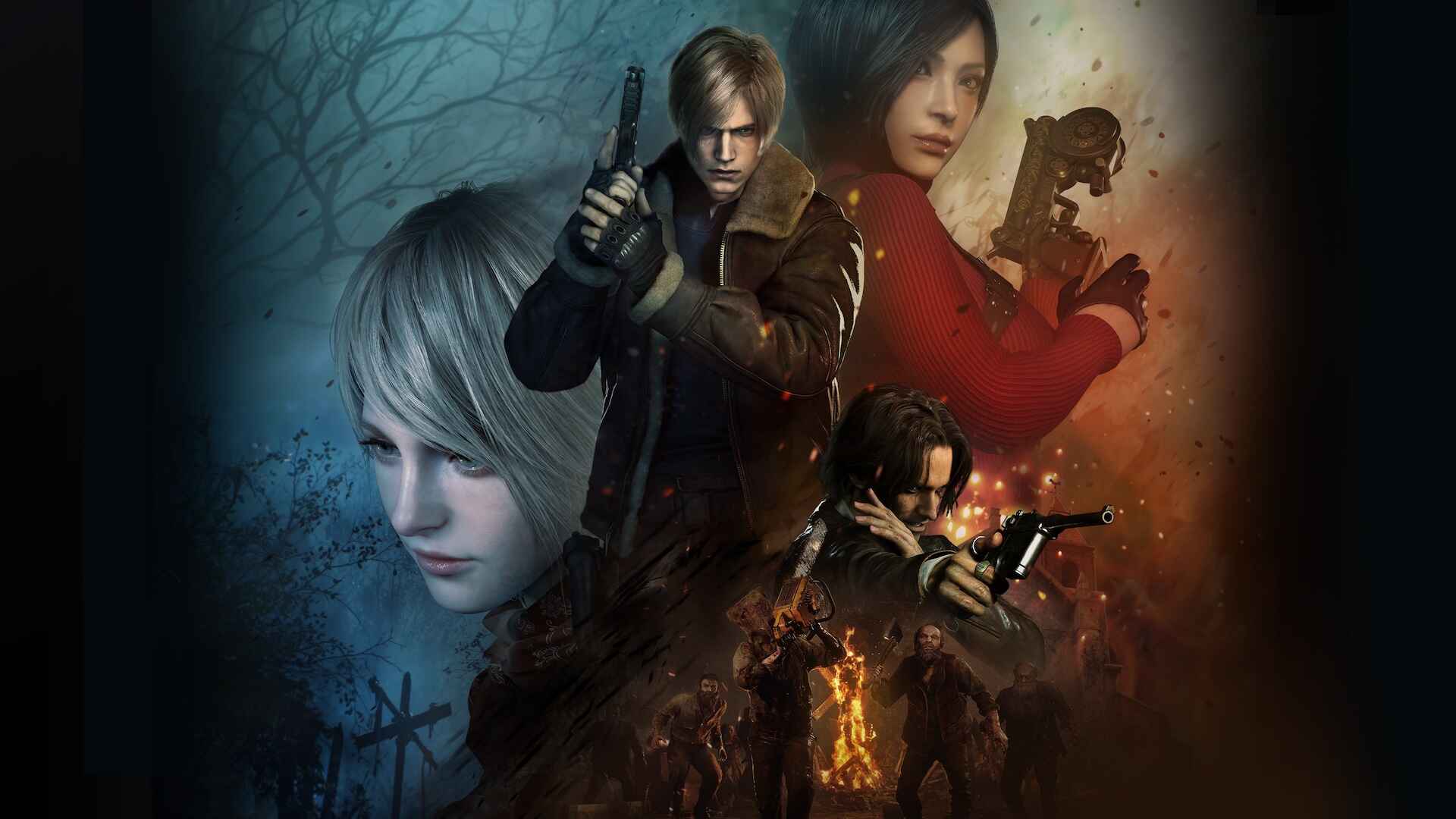
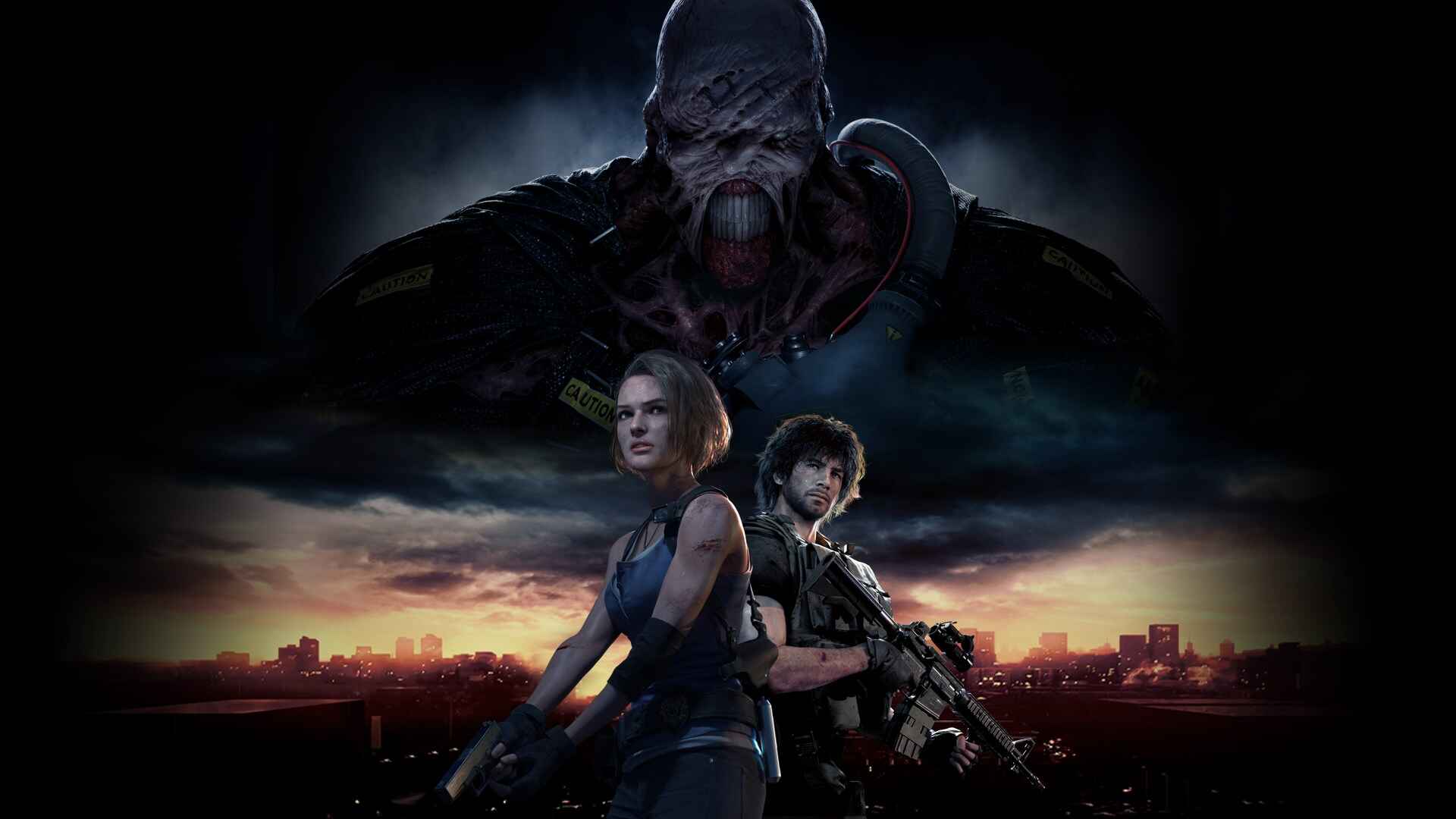
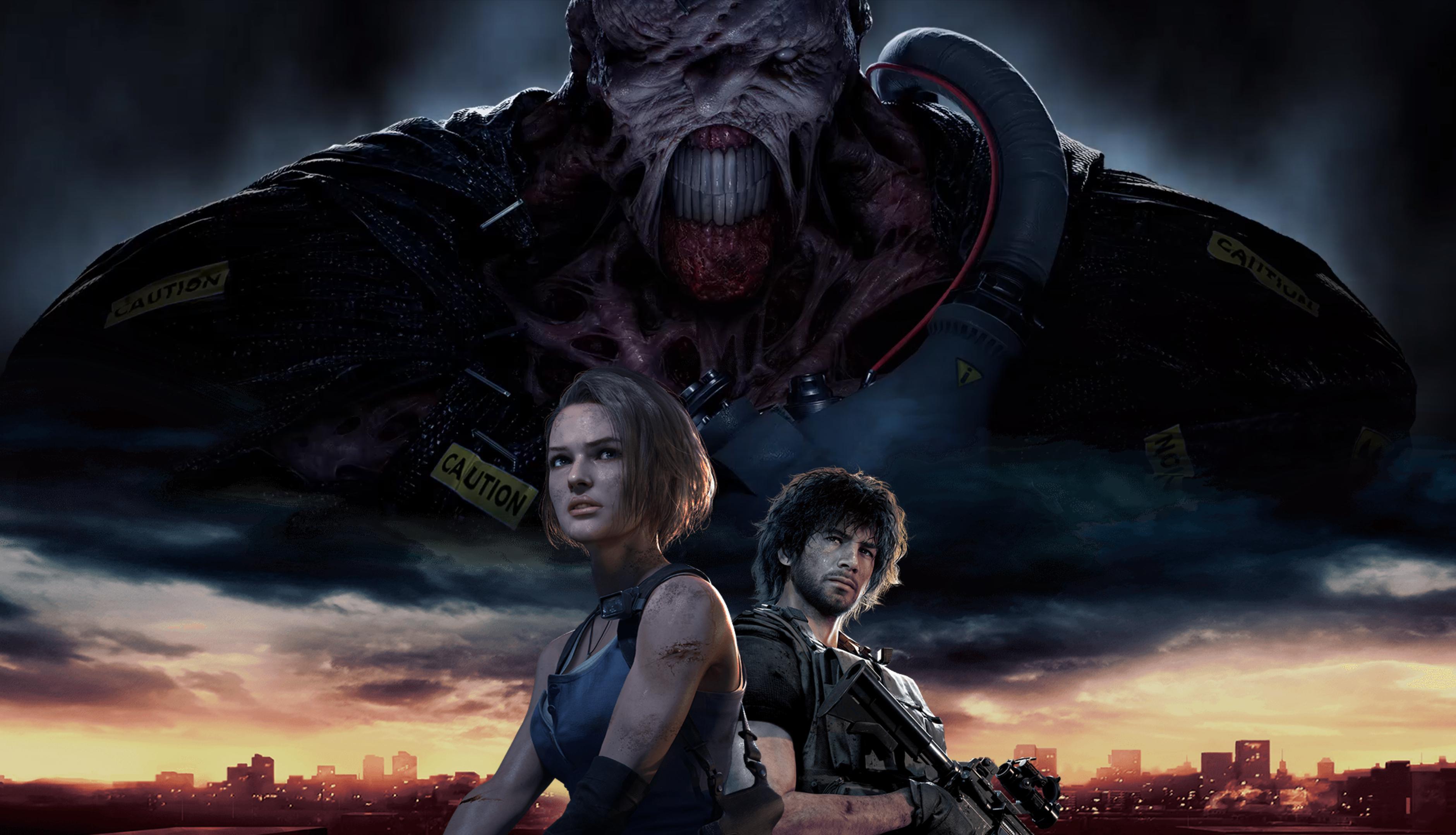
Capcom’s remake strategy in the past decade has seen high-profile reworks of core entries: Resident Evil 2 (released January 25, 2019), Resident Evil 3 (released April 3, 2020) and Resident Evil 4 (released March 24, 2023).
The original Resident Evil was itself remade by Capcom for the Nintendo GameCube in 2002; that 2002 GameCube remake remains the most modernized, widely referenced version of the first game until any new remake is announced.
Why Resident Evil 1 wasn’t first: Takeuchi’s explanation
In the Biohazard 30th Special magazine, Takeuchi explained that the original Resident Evil’s design and tone played a major part in the decision.
He characterized the first game as deliberately restrained in its horror design — a quality he summarized as stoic — and said Capcom worried that the game’s fear-through-restraint approach might not resonate with many modern players if presented as the series’ entry point.
Put plainly, Takeuchi argued that the Raccoon City incident represented the more natural starting point for a broad audience.
Capcom opted to lead with Resident Evil 2 because its storyline and set-piece moments serve as a clearer introduction to the saga’s origins and to the series’ balance of action and survival horror in a way the studio considered more accessible.
Current status and where to play the original remake
As of this writing, a brand-new modern remake of Resident Evil 1 has not been released by Capcom; the company’s 2002 GameCube remake remains the definitive modern-era reimagining of the original title.
For players looking to experience that version, the 2002 remake is the established updated release tied to the franchise’s early remake history.
Takeuchi’s remarks supply a developer-centric view on anthology sequencing: by prioritizing the Raccoon City narrative and a more immediately impactful horror experience, Capcom shaped the order of its remake projects to align with how the studio judged contemporary audience expectations.