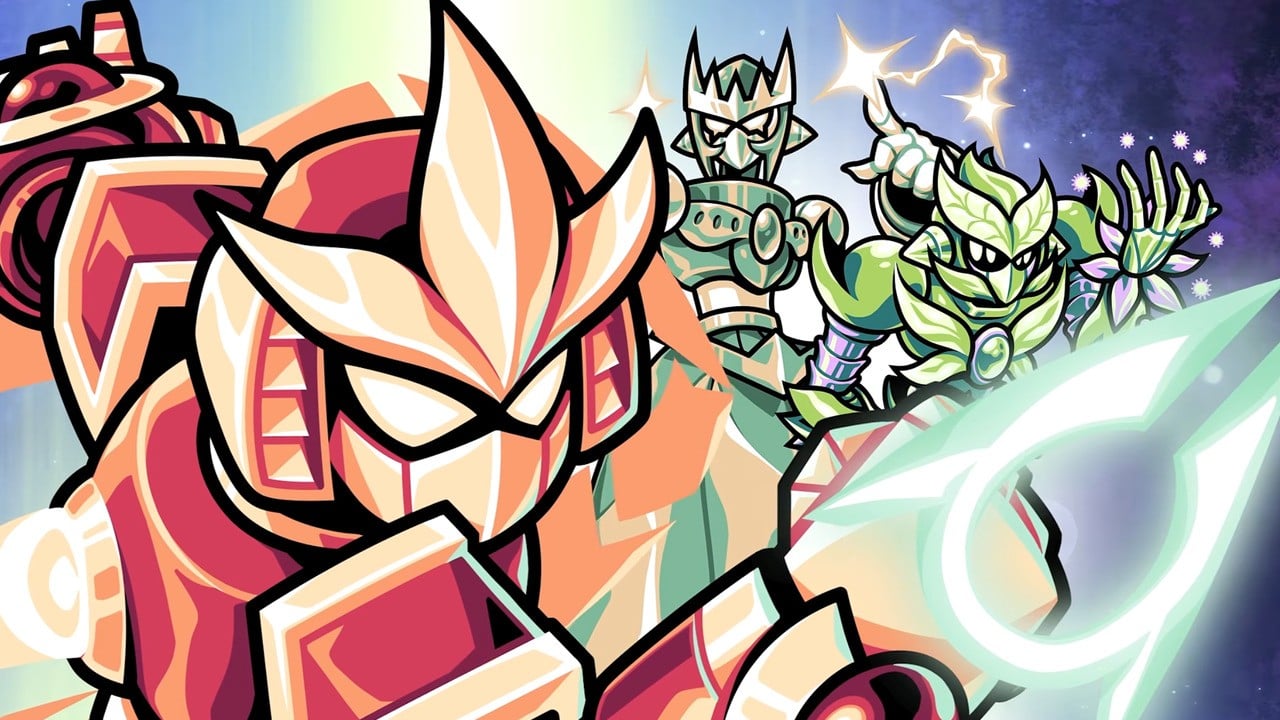
Capcom has confirmed why it rebuilt Mega Man Star Force Legacy Collection on its in-house RE Engine, citing the need for efficient multi-platform deployment and substantive design work to modernize the DS-era trilogy.
The collection, which compiles the Mega Man Star Force series originally released for the Nintendo DS, is now available on Nintendo Switch.
RE Engine context
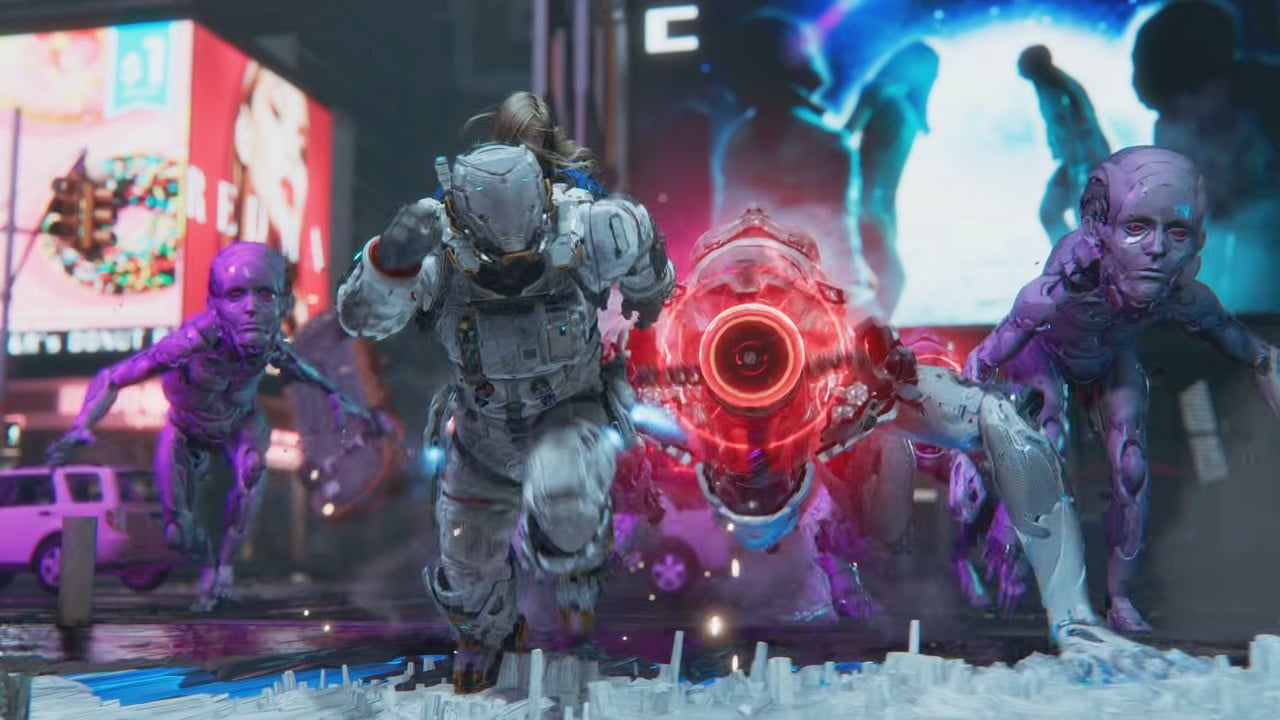
Capcom’s RE Engine has been used across several high-profile projects in recent years, including Pragmata and entries in the Resident Evil series.
For Mega Man Star Force Legacy Collection, the studio elected to use the same tooling to address technical and production constraints while aiming to deliver a consistent experience across platforms.
Why RE Engine was chosen
Director Akira Oda explained that the Star Force series finished with lower recognition and weaker sales compared with sister franchises such as Mega Man X and Mega Man Battle Network.
He said the team concluded that a straight port of the DS originals would not capture the intended fun, and that substantial design changes were required.
With limited time and budget and the goal of a multi-platform release, Oda said Capcom assembled a top internal team and selected the RE Engine because it offered the most practical path to solving complex problems efficiently and with strong external support.
Production and platform advantages
Lead programmer Naoki Kusumoto emphasized that re-releases aim to expand brand awareness and reach players who missed the original launch window.
He noted that broad platform support is essential for that goal, and argued that RE Engine’s architecture helps absorb platform support costs.
Kusumoto described the engine as well-suited to express high-quality 3D graphics while simplifying deployment to multiple platforms, allowing Capcom to maintain quality at a lower overall cost — a particularly important factor for remasters and collections.
Availability and next steps
Mega Man Star Force Legacy Collection is available on Nintendo Switch.
Capcom’s use of RE Engine for a DS-era remaster highlights the studio’s strategy of leveraging a single engine to manage quality and cross-platform logistics across both new projects and re-releases.
The collection, which compiles the Mega Man Star Force series originally released for the Nintendo DS, is now available on Nintendo Switch.
RE Engine context
Capcom’s RE Engine has been used across several high-profile projects in recent years, including Pragmata and entries in the Resident Evil series.
For Mega Man Star Force Legacy Collection, the studio elected to use the same tooling to address technical and production constraints while aiming to deliver a consistent experience across platforms.
Why RE Engine was chosen
Director Akira Oda explained that the Star Force series finished with lower recognition and weaker sales compared with sister franchises such as Mega Man X and Mega Man Battle Network.
He said the team concluded that a straight port of the DS originals would not capture the intended fun, and that substantial design changes were required.
With limited time and budget and the goal of a multi-platform release, Oda said Capcom assembled a top internal team and selected the RE Engine because it offered the most practical path to solving complex problems efficiently and with strong external support.
Production and platform advantages
Lead programmer Naoki Kusumoto emphasized that re-releases aim to expand brand awareness and reach players who missed the original launch window.
He noted that broad platform support is essential for that goal, and argued that RE Engine’s architecture helps absorb platform support costs.
Kusumoto described the engine as well-suited to express high-quality 3D graphics while simplifying deployment to multiple platforms, allowing Capcom to maintain quality at a lower overall cost — a particularly important factor for remasters and collections.
Availability and next steps
Mega Man Star Force Legacy Collection is available on Nintendo Switch.
Capcom’s use of RE Engine for a DS-era remaster highlights the studio’s strategy of leveraging a single engine to manage quality and cross-platform logistics across both new projects and re-releases.