



Capcom has made an intentional break with the long-running numbering convention for its flagship platforming series.
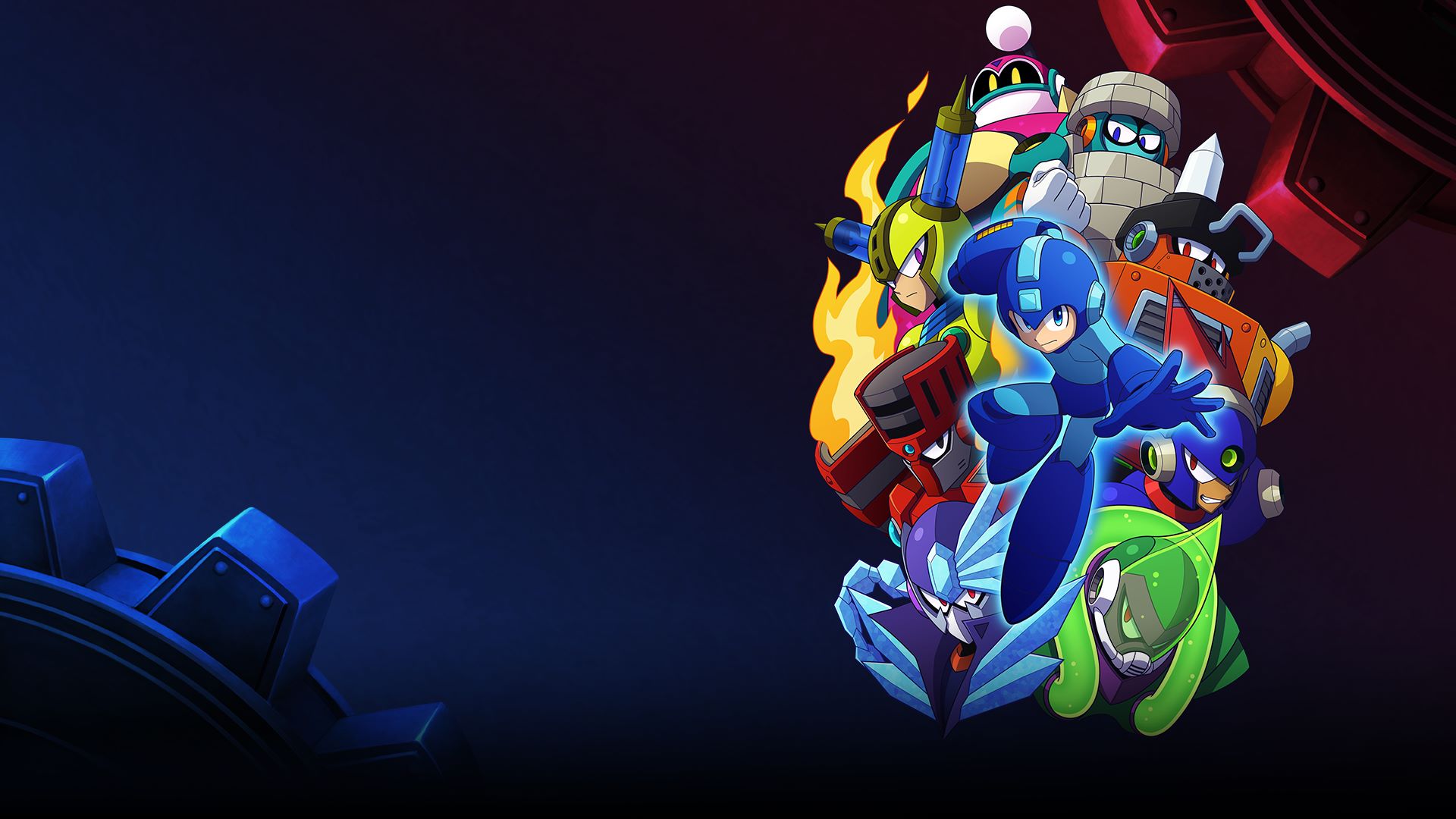
The company confirmed that the upcoming title will be called Mega Man: Dual Override rather than Mega Man 12, and the decision is rooted in an effort to make the series more accessible to new players.
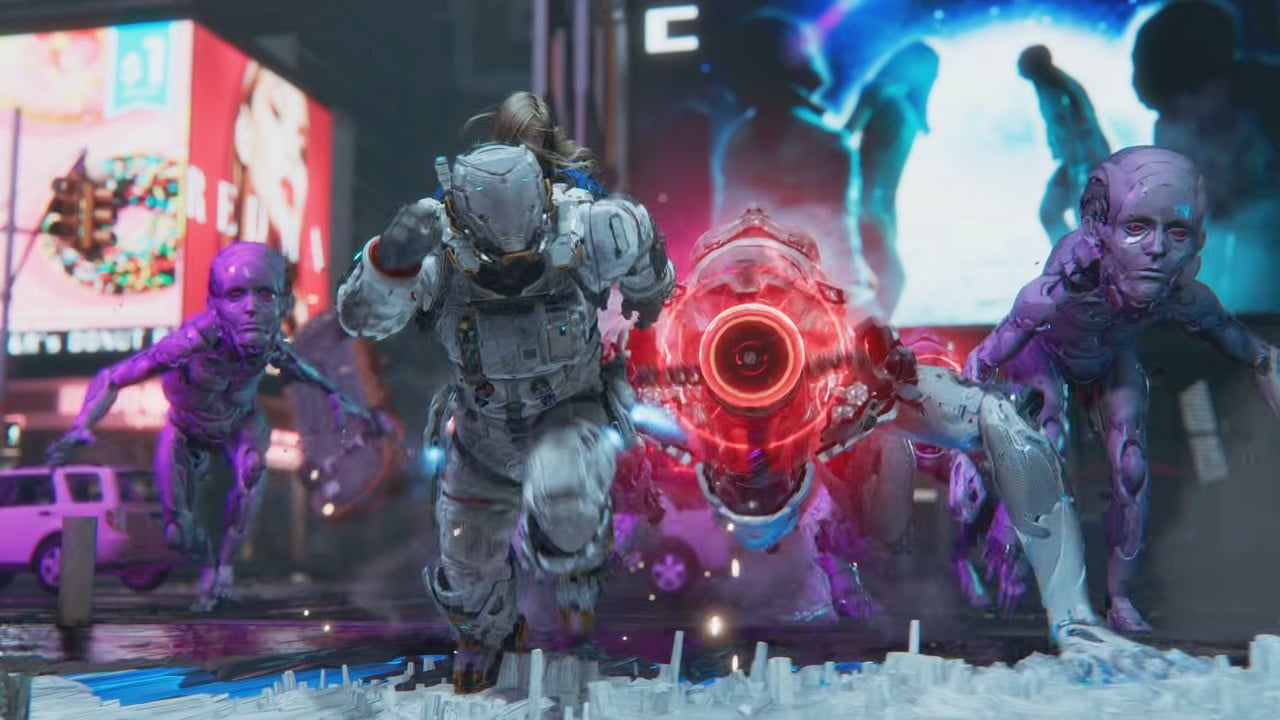
The action-platformer is scheduled to launch on Nintendo Switch and Nintendo Switch 2 in 2027, and a new trailer is available from Capcom ahead of release.
Background and context
Mega Man has traditionally used numbered entries for mainline releases.
Prior to Dual Override, Capcom released Mega Man 11 in 2018 across Nintendo Switch, PlayStation 4, Xbox One and PC platforms.
For the new project, Capcom assembled a team that includes producers Shinngo Izumi and Hiroyuki Minamitani and director Shinya Ikuta.
Nintendo Everything recently published an interview with those key staff members in which the team discussed the logic behind the game's title.
Why no number this time
Capcom reps told Nintendo Everything that the choice to use a subtitle rather than a sequential number was deliberate.
The producers explained that when numeric entries climb into double digits, some prospective players may assume the series is too advanced or that they have missed essential prior entries.
The development team said they learned this dynamic following Mega Man 11 and wanted Dual Override to feel approachable for newcomers.
In journalistic terms: Capcom decided against the Mega Man 12 label because player feedback after Mega Man 11 suggested high installment numbers could intimidate potential first-time players.
While the team could not definitively link the naming to sales figures, they confirmed comments from the community indicating that a high number can discourage new users from trying the series.
What we know about the release
Mega Man: Dual Override is confirmed for Nintendo Switch and the next-generation Nintendo Switch 2 in 2027.
Capcom has released a new trailer, and the company is positioning the game as an entry point that retains series heritage while inviting new players.
Developers named in the interview include Shinngo Izumi, Hiroyuki Minamitani and Shinya Ikuta, reflecting Capcoms continued investment in the franchise.
This naming shift marks a notable change in Capcoms approach to the Mega Man brand and signals a focus on widening the audience as the series moves onto Nintendo hardware in the latter half of the decade.
The company confirmed that the upcoming title will be called Mega Man: Dual Override rather than Mega Man 12, and the decision is rooted in an effort to make the series more accessible to new players.
The action-platformer is scheduled to launch on Nintendo Switch and Nintendo Switch 2 in 2027, and a new trailer is available from Capcom ahead of release.
Background and context
Mega Man has traditionally used numbered entries for mainline releases.
Prior to Dual Override, Capcom released Mega Man 11 in 2018 across Nintendo Switch, PlayStation 4, Xbox One and PC platforms.
For the new project, Capcom assembled a team that includes producers Shinngo Izumi and Hiroyuki Minamitani and director Shinya Ikuta.
Nintendo Everything recently published an interview with those key staff members in which the team discussed the logic behind the game's title.
Why no number this time
Capcom reps told Nintendo Everything that the choice to use a subtitle rather than a sequential number was deliberate.
The producers explained that when numeric entries climb into double digits, some prospective players may assume the series is too advanced or that they have missed essential prior entries.
The development team said they learned this dynamic following Mega Man 11 and wanted Dual Override to feel approachable for newcomers.
In journalistic terms: Capcom decided against the Mega Man 12 label because player feedback after Mega Man 11 suggested high installment numbers could intimidate potential first-time players.
While the team could not definitively link the naming to sales figures, they confirmed comments from the community indicating that a high number can discourage new users from trying the series.
What we know about the release
Mega Man: Dual Override is confirmed for Nintendo Switch and the next-generation Nintendo Switch 2 in 2027.
Capcom has released a new trailer, and the company is positioning the game as an entry point that retains series heritage while inviting new players.
Developers named in the interview include Shinngo Izumi, Hiroyuki Minamitani and Shinya Ikuta, reflecting Capcoms continued investment in the franchise.
This naming shift marks a notable change in Capcoms approach to the Mega Man brand and signals a focus on widening the audience as the series moves onto Nintendo hardware in the latter half of the decade.