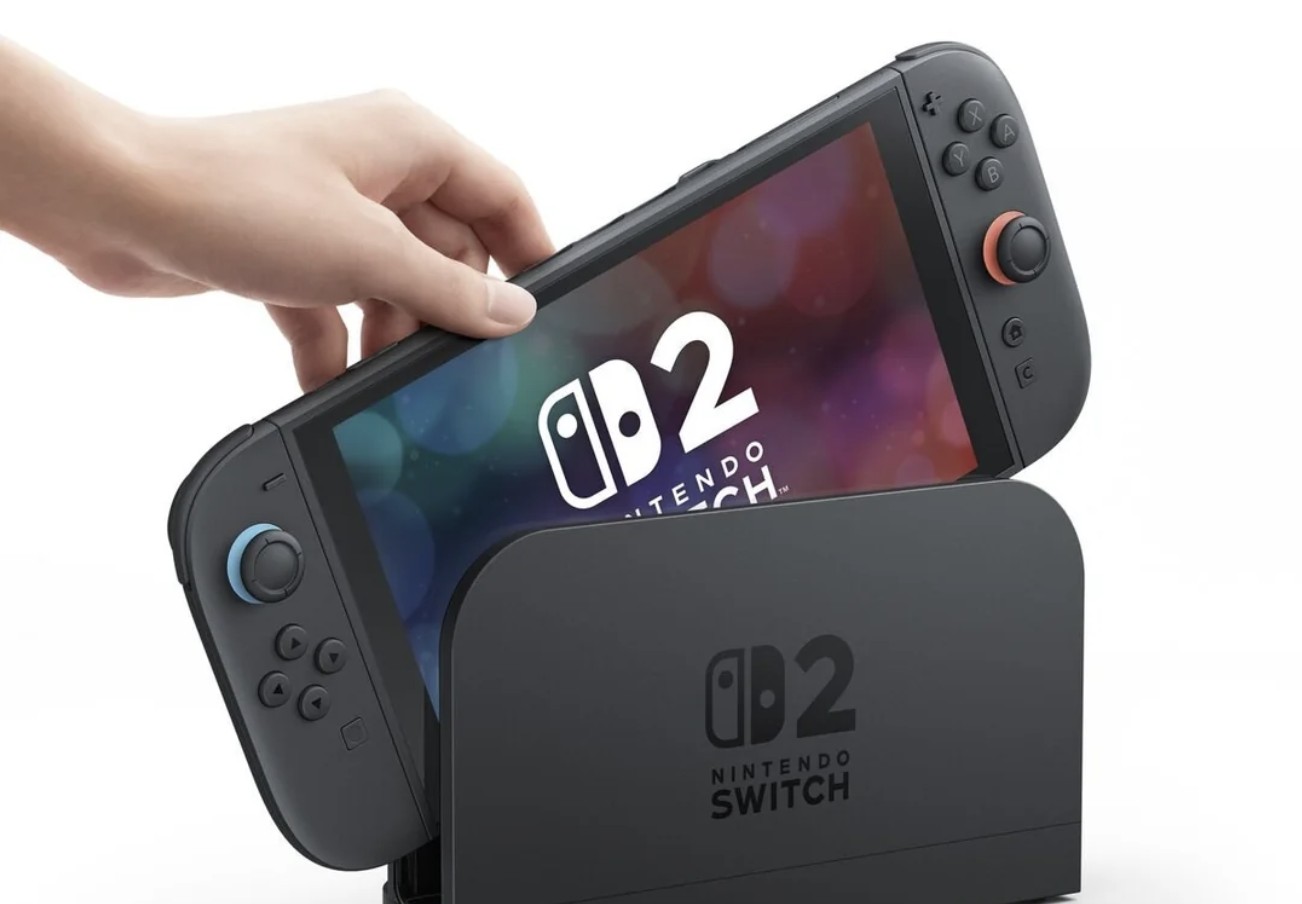


Bloomberg reported this week that Nintendo has raised its sales forecast for its next-generation hardware—commonly referred to in media coverage as the Nintendo Switch 2—by approximately 20 percent and is preparing to increase production volumes to meet anticipated demand.
The story cites supply-chain and production planning shifts as Nintendo moves to manufacture more units of the successor to the Nintendo Switch, which originally launched on March 3, 2017.
The Bloomberg report says Nintendo has adjusted its internal sales outlook upward and is seeking to ramp up console manufacturing accordingly.
According to that coverage, Nintendo did not provide a comment when contacted about the change in production volume plans.
Industry context
The original Nintendo Switch platform has been one of Nintendo's most commercially successful consoles since its 2017 debut, establishing a large install base and a strong first-party software pipeline distributed through Nintendo Direct presentations and the Nintendo eShop.
Moving into a successor generation, supply and production decisions are closely watched by partners, retailers, and investors because they shape launch availability, marketing timing, and first-year software attach rates.
Analyst perspective (paraphrased)
Tokyo-based industry analyst Serkan Toto told Bloomberg that Nintendo often sets conservative initial forecasts.
Paraphrasing Toto’s observation: the company has limited downside from underestimating early sales and can then report stronger results later, with the most recently completed fiscal year serving as a case in point.
What we can verify
- Bloomberg is the source reporting the sales-forecast increase and production ramp.
- Nintendo did not respond to Bloomberg's request for comment, per the report.
- The Nintendo Switch launched on March 3, 2017, and built a substantial global install base prior to plans for a successor.
Why this matters
A 20 percent upward revision and a concurrent manufacturing ramp indicate Nintendo expects stronger-than-initially-forecasted demand for its next console generation.
That has implications for launch timing, retail availability, and software release strategies that typically accompany a hardware transition.
Watch for official announcements from Nintendo—via investor briefings or Nintendo Direct broadcasts—for confirmed launch windows, production targets, and first-party software plans.
This article is based on Bloomberg’s reporting and public company history; it does not include unverified rumors or speculative release details.
The story cites supply-chain and production planning shifts as Nintendo moves to manufacture more units of the successor to the Nintendo Switch, which originally launched on March 3, 2017.
The Bloomberg report says Nintendo has adjusted its internal sales outlook upward and is seeking to ramp up console manufacturing accordingly.
According to that coverage, Nintendo did not provide a comment when contacted about the change in production volume plans.
Industry context
The original Nintendo Switch platform has been one of Nintendo's most commercially successful consoles since its 2017 debut, establishing a large install base and a strong first-party software pipeline distributed through Nintendo Direct presentations and the Nintendo eShop.
Moving into a successor generation, supply and production decisions are closely watched by partners, retailers, and investors because they shape launch availability, marketing timing, and first-year software attach rates.
Analyst perspective (paraphrased)
Tokyo-based industry analyst Serkan Toto told Bloomberg that Nintendo often sets conservative initial forecasts.
Paraphrasing Toto’s observation: the company has limited downside from underestimating early sales and can then report stronger results later, with the most recently completed fiscal year serving as a case in point.
What we can verify
- Bloomberg is the source reporting the sales-forecast increase and production ramp.
- Nintendo did not respond to Bloomberg's request for comment, per the report.
- The Nintendo Switch launched on March 3, 2017, and built a substantial global install base prior to plans for a successor.
Why this matters
A 20 percent upward revision and a concurrent manufacturing ramp indicate Nintendo expects stronger-than-initially-forecasted demand for its next console generation.
That has implications for launch timing, retail availability, and software release strategies that typically accompany a hardware transition.
Watch for official announcements from Nintendo—via investor briefings or Nintendo Direct broadcasts—for confirmed launch windows, production targets, and first-party software plans.
This article is based on Bloomberg’s reporting and public company history; it does not include unverified rumors or speculative release details.