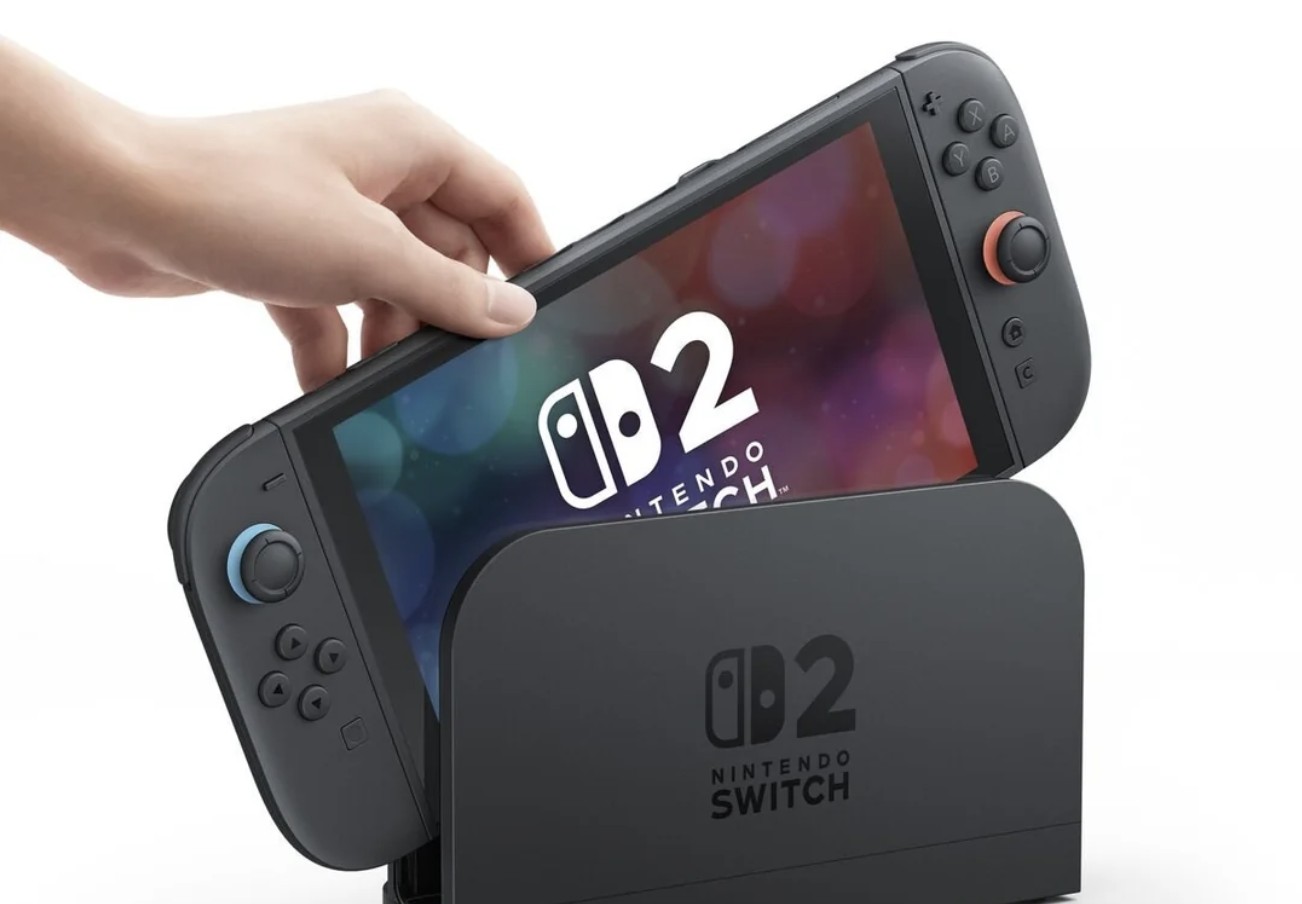
Nintendo has reportedly adjusted its production expectations for the upcoming Nintendo Switch 2, lowering its initial target from six million to four million units.
The decision follows weaker-than-anticipated sales in the United States, according to sources close to the matter cited by Bloomberg.
The Kyoto-based gaming giant had aimed for a robust first-quarter performance, building on the success of the Nintendo Switch platform, which has now surpassed over 125 million units sold globally since its launch in 2017.
While Nintendo has not yet issued an official statement confirming the reduced production figures, Bloomberg's industry sources suggest the company will make a formal announcement in the near future.
The reported adjustment comes at a pivotal time, as the company gears up for a critical launch window intended to capitalize on the holiday shopping season and sustain its hardware momentum.
Japan equity strategist Amir Anvarzadeh of Asymmetric Advisors noted that a shortfall in hardware supply during the first year, particularly over the holiday period, presents significant challenges for Nintendo.
He explained through Bloomberg that recent software releases provided some hope, particularly with strong performances from franchise titles like Pokémon, but the lineup had been less compelling earlier in the year.
The Nintendo Switch 2, successor to the widely celebrated Nintendo Switch, is expected to advance the company’s legacy in the console market.
Nintendo has maintained its position as an industry leader, in part through consistently strong software support from both first-party and third-party developers.
The current-generation Nintendo Switch remains available on Nintendo’s digital storefront, the eShop, and regularly features in Nintendo Direct presentations highlighting major upcoming releases.
Industry watchers will be closely monitoring Nintendo’s official channels and investor communications for further details on shipment plans and launch timing for the Nintendo Switch 2.
As the gaming community anticipates more information, the adjustment in production strategy highlights the challenges even established hardware developers face in responding to fluctuating market demand, particularly in key regions like the United States.
Stay tuned to our site for updates on the Nintendo Switch 2, further insights from Nintendo’s leadership, and data from future Nintendo Directs addressing new software and hardware developments.
The decision follows weaker-than-anticipated sales in the United States, according to sources close to the matter cited by Bloomberg.
The Kyoto-based gaming giant had aimed for a robust first-quarter performance, building on the success of the Nintendo Switch platform, which has now surpassed over 125 million units sold globally since its launch in 2017.
While Nintendo has not yet issued an official statement confirming the reduced production figures, Bloomberg's industry sources suggest the company will make a formal announcement in the near future.
The reported adjustment comes at a pivotal time, as the company gears up for a critical launch window intended to capitalize on the holiday shopping season and sustain its hardware momentum.
Japan equity strategist Amir Anvarzadeh of Asymmetric Advisors noted that a shortfall in hardware supply during the first year, particularly over the holiday period, presents significant challenges for Nintendo.
He explained through Bloomberg that recent software releases provided some hope, particularly with strong performances from franchise titles like Pokémon, but the lineup had been less compelling earlier in the year.
The Nintendo Switch 2, successor to the widely celebrated Nintendo Switch, is expected to advance the company’s legacy in the console market.
Nintendo has maintained its position as an industry leader, in part through consistently strong software support from both first-party and third-party developers.
The current-generation Nintendo Switch remains available on Nintendo’s digital storefront, the eShop, and regularly features in Nintendo Direct presentations highlighting major upcoming releases.
Industry watchers will be closely monitoring Nintendo’s official channels and investor communications for further details on shipment plans and launch timing for the Nintendo Switch 2.
As the gaming community anticipates more information, the adjustment in production strategy highlights the challenges even established hardware developers face in responding to fluctuating market demand, particularly in key regions like the United States.
Stay tuned to our site for updates on the Nintendo Switch 2, further insights from Nintendo’s leadership, and data from future Nintendo Directs addressing new software and hardware developments.