

The secondary market for video games has seen an extraordinary boom over the past decade, transforming cherished titles and hardware like the New Nintendo 3DS into prized collectibles often fetching thousands of dollars.
Fueled by nostalgia and a desire for preservation, organizations such as WATA have introduced professional game grading services, catering to the expanding collector base.
This process typically involves encasing graded items—most commonly software—in tamper-proof plastic cases to protect their condition and enhance their market value.
However, a recent development spotlights the potential pitfalls of extending this practice to hardware, raising pressing concerns about preservation, playability, and safety.
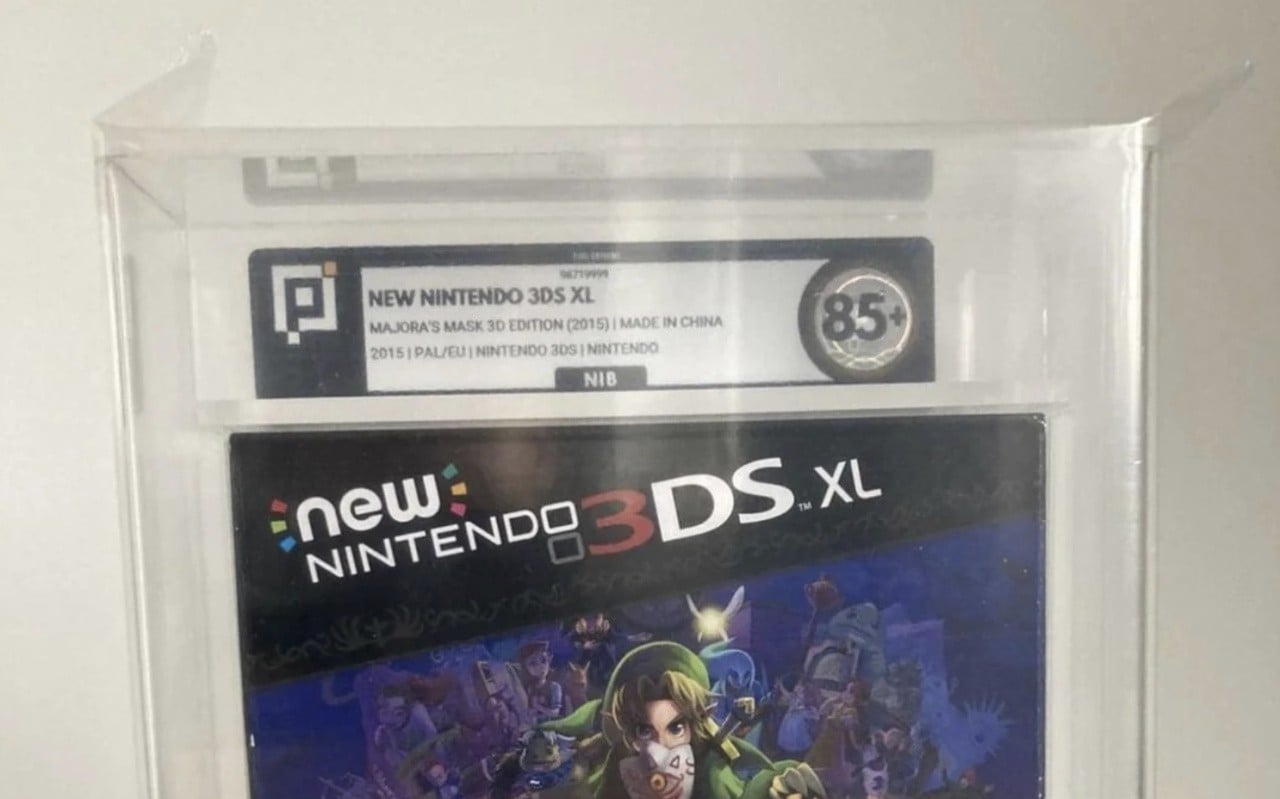
The conversation intensified after Shane Luis, content creator at Rerez, called attention to a controversial Reddit post displaying two PAL-region, Zelda-themed New Nintendo 3DS consoles professionally graded and sealed in plastic.
While the trend of grading and sealing games has become commonplace, the extension of this practice to gaming hardware—especially devices containing lithium-ion batteries like the Nintendo 3DS—has provoked heated debate.
Shane Luis voiced strong criticism of this trend in a statement, advising against the use of grading companies to seal consoles that include built-in batteries.
He remarked, "It's deeply frustrating to see collectors misled into compromising their devices like this.
Locking a lithium-ion battery inside a sealed plastic container is asking for disaster, as these batteries can swell, leak, or even explode over time, especially when they can't be properly monitored or replaced."
The concerns Luis highlighted are rooted in hardware realities.
Lithium-ion batteries, which power all Nintendo 3DS handhelds, have a finite lifespan and, when left unused or unable to discharge safely, may eventually expand and damage both the battery and the casing—risking both the collector’s investment and the integrity of rare hardware.
In the case of sealed consoles, accessing and replacing these batteries becomes impractical or impossible, potentially rendering the devices hazardous as time passes.
The move to seal hardware, instead of ensuring ongoing playability and preservation, effectively removes these consoles from active use, reducing the supply available for enthusiasts eager to experience classic titles on original hardware.
With 3DS hardware becoming scarcer and prices steadily climbing, such practices could unintentionally make it harder for dedicated fans to engage with authentic Nintendo experiences.
Reddit users echoed these sentiments, warning, "Sealing a 3DS with its battery locked inside is a risky decision.
Over time, the battery may swell and damage the device beyond repair, turning what was intended as a preserved investment into a potential hazard."
As the retro gaming market continues to flourish, collectors and grading companies alike must consider the long-term implications of hardware preservation.
While grading can add value and protection to games and consoles, ensuring that preservation does not jeopardize either safety or the fundamental ability to enjoy these classic devices should remain a top priority for the community and industry stakeholders alike.
Fueled by nostalgia and a desire for preservation, organizations such as WATA have introduced professional game grading services, catering to the expanding collector base.
This process typically involves encasing graded items—most commonly software—in tamper-proof plastic cases to protect their condition and enhance their market value.
However, a recent development spotlights the potential pitfalls of extending this practice to hardware, raising pressing concerns about preservation, playability, and safety.
The conversation intensified after Shane Luis, content creator at Rerez, called attention to a controversial Reddit post displaying two PAL-region, Zelda-themed New Nintendo 3DS consoles professionally graded and sealed in plastic.
While the trend of grading and sealing games has become commonplace, the extension of this practice to gaming hardware—especially devices containing lithium-ion batteries like the Nintendo 3DS—has provoked heated debate.
Shane Luis voiced strong criticism of this trend in a statement, advising against the use of grading companies to seal consoles that include built-in batteries.
He remarked, "It's deeply frustrating to see collectors misled into compromising their devices like this.
Locking a lithium-ion battery inside a sealed plastic container is asking for disaster, as these batteries can swell, leak, or even explode over time, especially when they can't be properly monitored or replaced."
The concerns Luis highlighted are rooted in hardware realities.
Lithium-ion batteries, which power all Nintendo 3DS handhelds, have a finite lifespan and, when left unused or unable to discharge safely, may eventually expand and damage both the battery and the casing—risking both the collector’s investment and the integrity of rare hardware.
In the case of sealed consoles, accessing and replacing these batteries becomes impractical or impossible, potentially rendering the devices hazardous as time passes.
The move to seal hardware, instead of ensuring ongoing playability and preservation, effectively removes these consoles from active use, reducing the supply available for enthusiasts eager to experience classic titles on original hardware.
With 3DS hardware becoming scarcer and prices steadily climbing, such practices could unintentionally make it harder for dedicated fans to engage with authentic Nintendo experiences.
Reddit users echoed these sentiments, warning, "Sealing a 3DS with its battery locked inside is a risky decision.
Over time, the battery may swell and damage the device beyond repair, turning what was intended as a preserved investment into a potential hazard."
As the retro gaming market continues to flourish, collectors and grading companies alike must consider the long-term implications of hardware preservation.
While grading can add value and protection to games and consoles, ensuring that preservation does not jeopardize either safety or the fundamental ability to enjoy these classic devices should remain a top priority for the community and industry stakeholders alike.