
Bayonetta 3 multiverse explained: series creator Hideki Kamiya addresses continuity and the ending
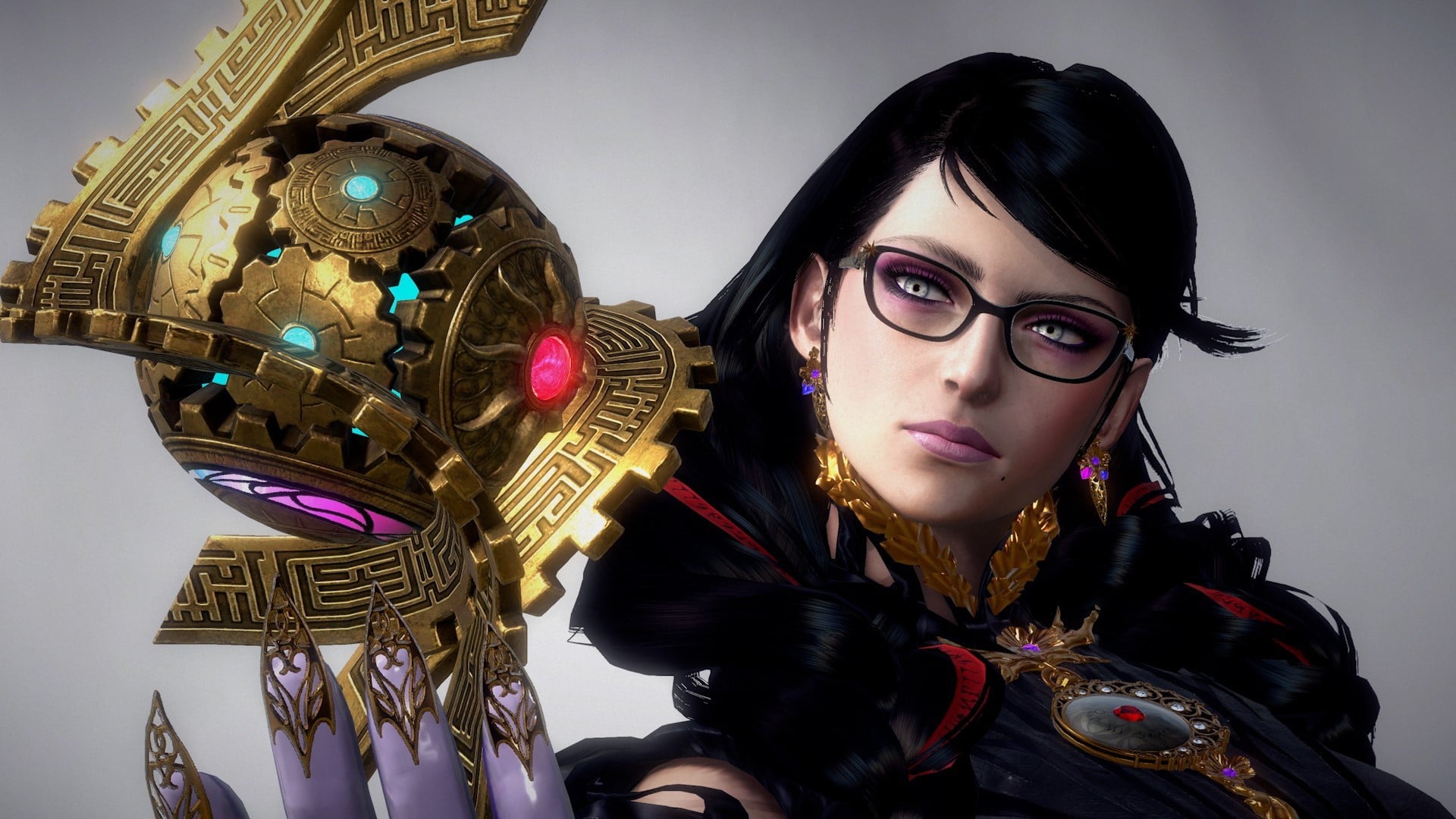
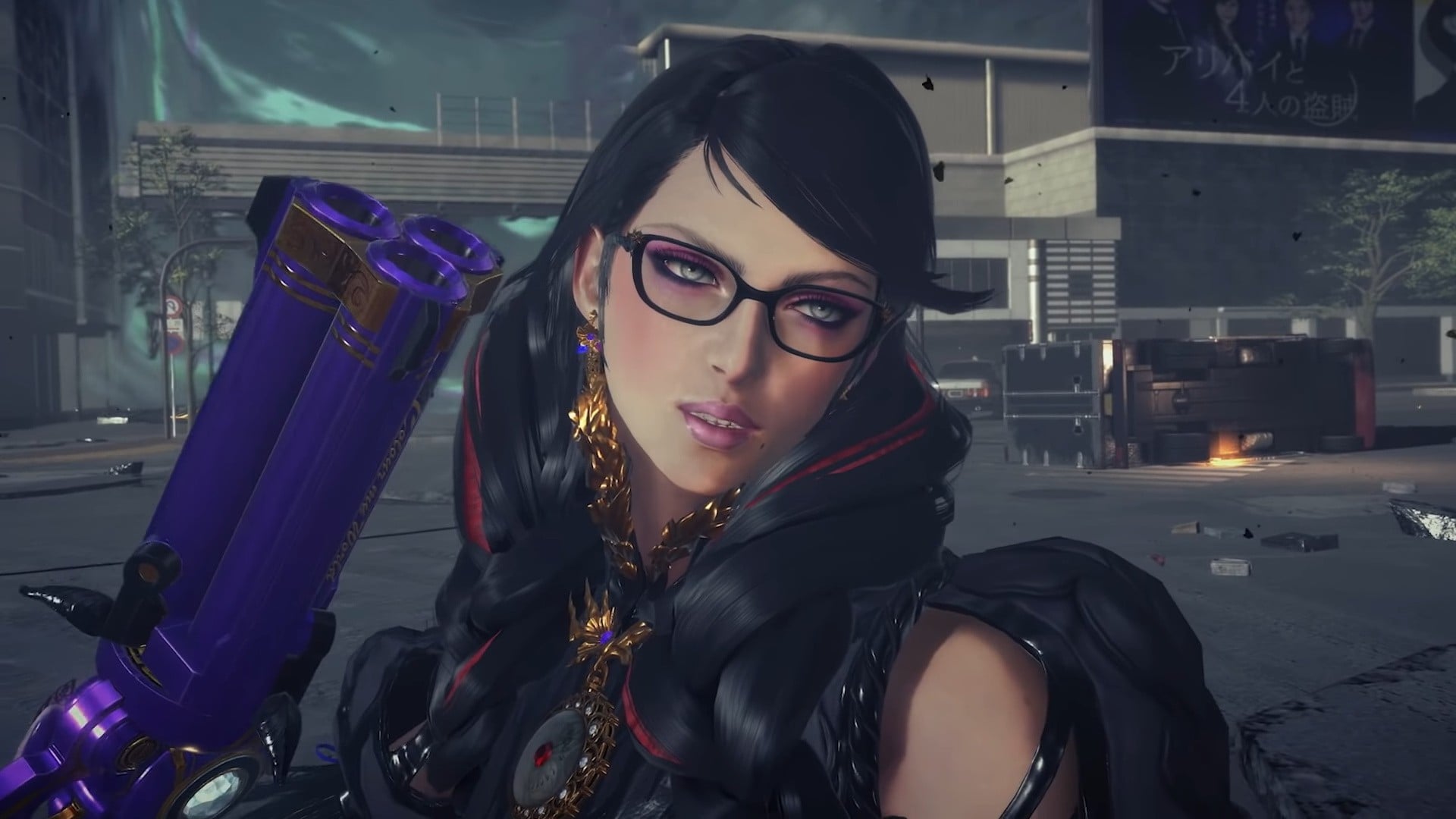
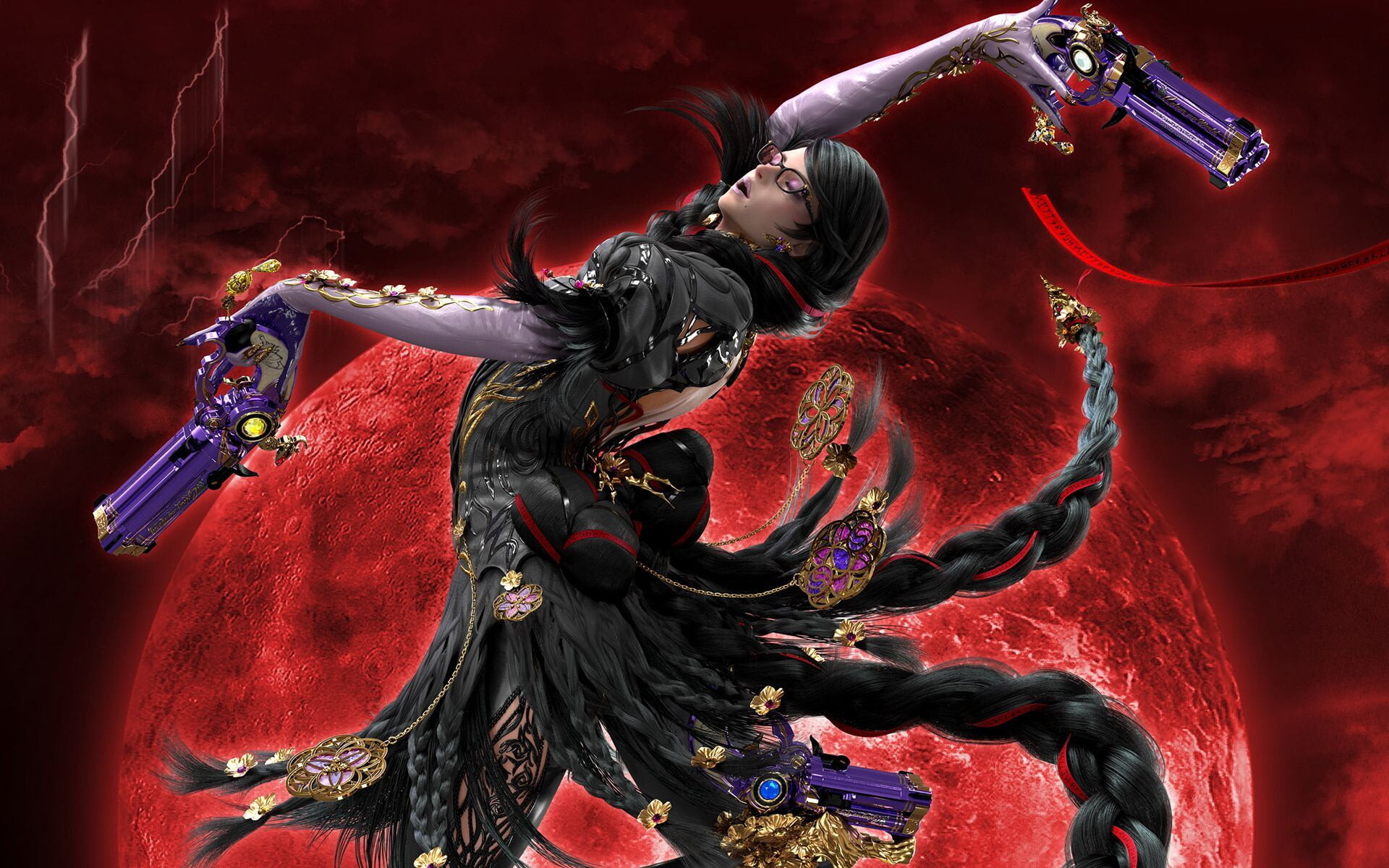
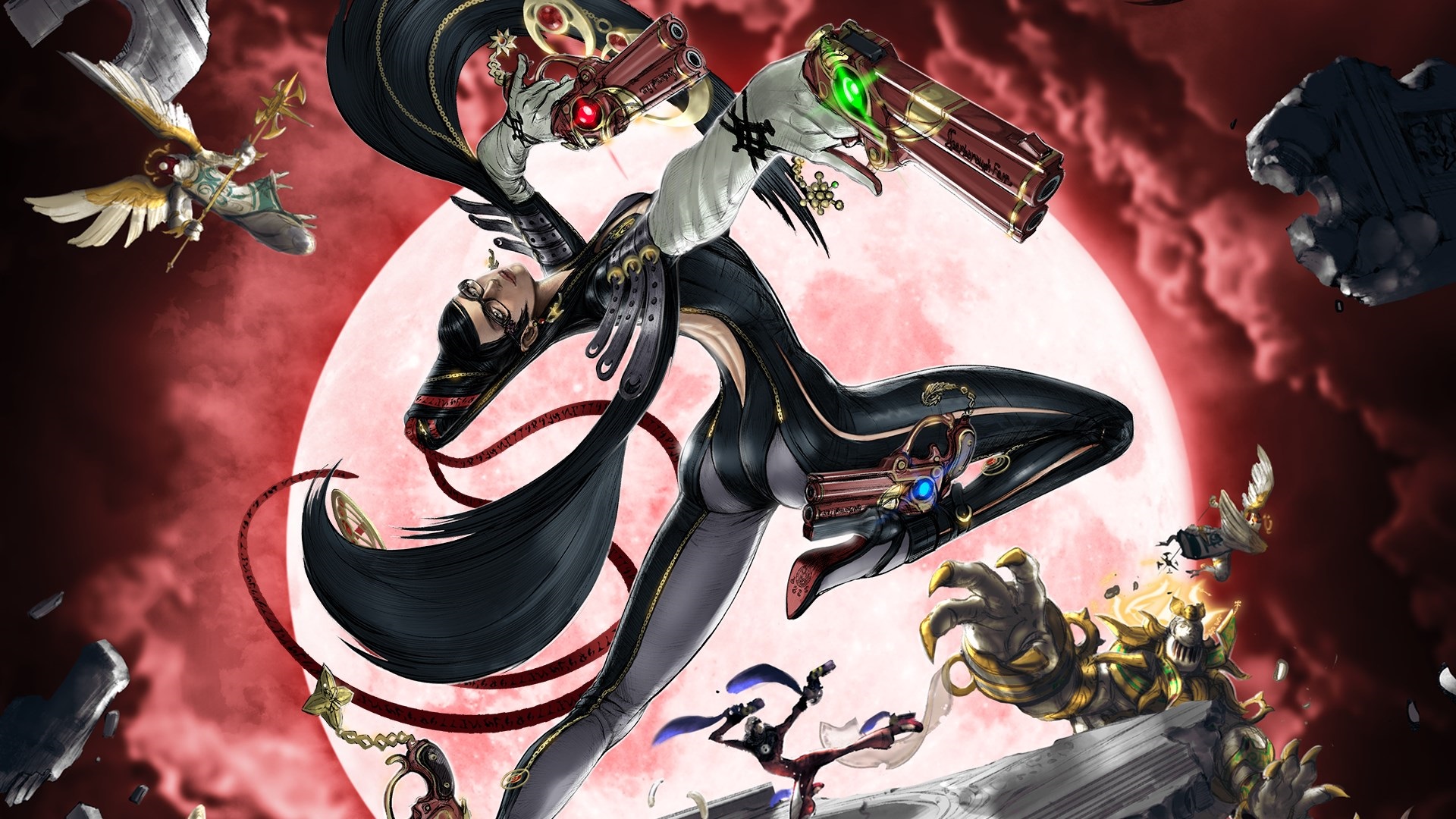
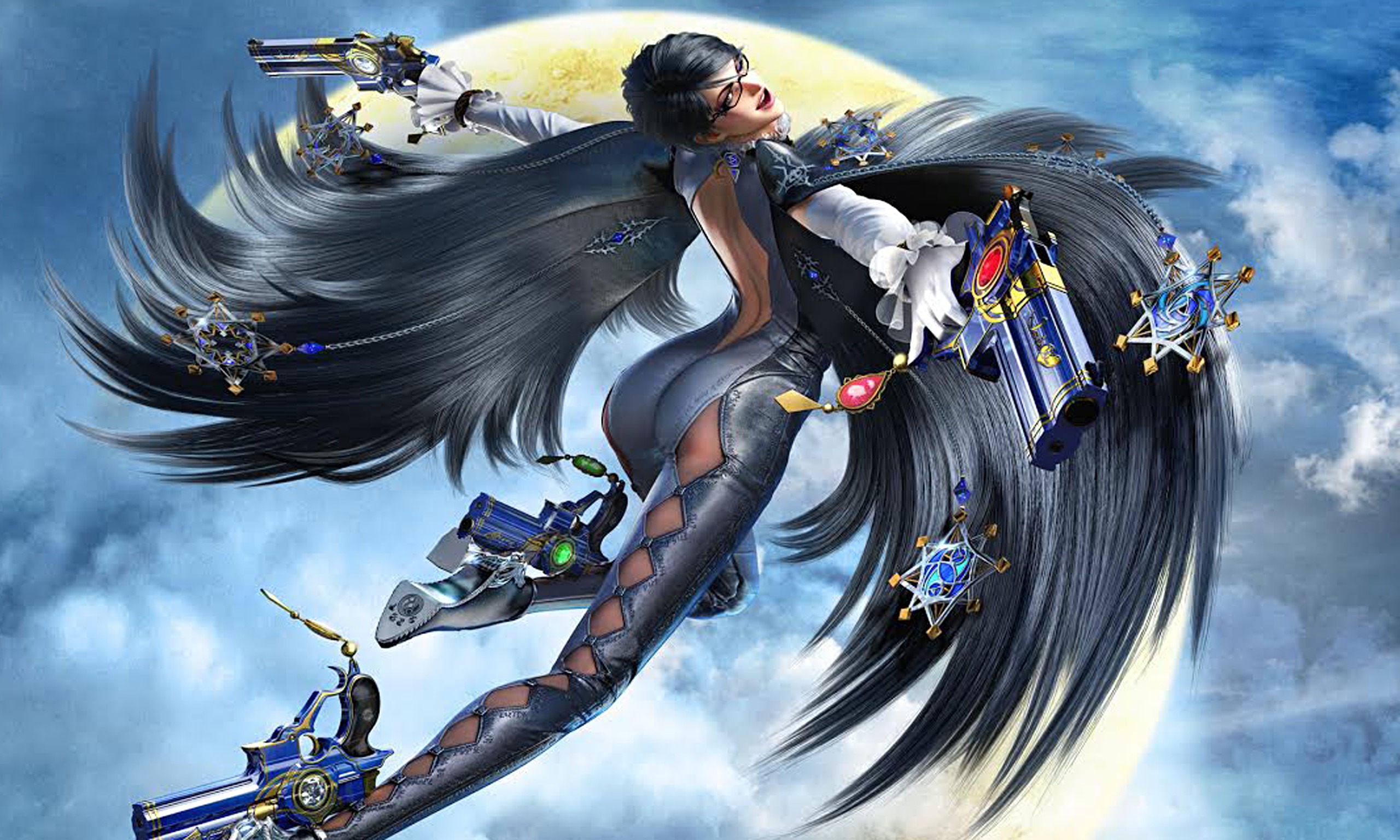
Bayonetta 3 (released October 28, 2022 on Nintendo Switch) positions the witch at the center of a multiverse-scale conflict.
Series creator Hideki Kamiya, long associated with PlatinumGames, revisited how the multiverse theme has been present across the franchise in an interview included in the new book The World of Hideki Kamiya.
The translation of Kamiya’s comments was provided by Simon Griffin and SatsumaFS for Nintendo Everything.
Kamiya told readers that the notion of multiple timelines was intended to be present from the original Bayonetta (2009) through Bayonetta 2 (2014 on Wii U; later released on Nintendo Switch in 2018) and into Bayonetta 3.
He said that earlier entries planted subtle hints rather than making explicit statements, and that some early explanations may have been too sparse for players to immediately connect the dots.
Paraphrasing Kamiya’s explanation: he pointed to the sequence after the Balder fight in the first Bayonetta—when Cereza is sent into the past and Bayonetta returns to a doubled, blurred background—as a visual representation of two parallel worlds overlaying one another.
He also highlighted the moon sequence in Bayonetta, noting that the apparent destruction of the moon (the witches’ source of power) and its subsequent existence in later titles can be read as evidence of diverging timelines rather than simple continuity error.
On the subject of Bayonetta 3’s finale, Kamiya clarified that the ending does imply Bayonetta remains alive.
He explained that a final menu photograph added after clearing the last chapter shows Luka’s presence from behind in Viola’s world—an intentional hint that Bayonetta may exist somewhere within the converged timeline.
Kamiya also cited other story beats he intended as clues, including an apparent phone call to Enzo’s deceased wife during the ending and a line from Rodin that confirms Luka’s survival in that context.
Kamiya acknowledged he previously preferred leaving interpretive space for players but accepted that some fans read the ending as definitive death.
He also noted that he is no longer involved with Bayonetta at PlatinumGames and is now working at his new studio Clovers on an Okami sequel.
Translation credit: Simon Griffin and SatsumaFS on behalf of Nintendo Everything.
Bayonetta 3 (released October 28, 2022 on Nintendo Switch) positions the witch at the center of a multiverse-scale conflict.
Series creator Hideki Kamiya, long associated with PlatinumGames, revisited how the multiverse theme has been present across the franchise in an interview included in the new book The World of Hideki Kamiya.
The translation of Kamiya’s comments was provided by Simon Griffin and SatsumaFS for Nintendo Everything.
Kamiya told readers that the notion of multiple timelines was intended to be present from the original Bayonetta (2009) through Bayonetta 2 (2014 on Wii U; later released on Nintendo Switch in 2018) and into Bayonetta 3.
He said that earlier entries planted subtle hints rather than making explicit statements, and that some early explanations may have been too sparse for players to immediately connect the dots.
Paraphrasing Kamiya’s explanation: he pointed to the sequence after the Balder fight in the first Bayonetta—when Cereza is sent into the past and Bayonetta returns to a doubled, blurred background—as a visual representation of two parallel worlds overlaying one another.
He also highlighted the moon sequence in Bayonetta, noting that the apparent destruction of the moon (the witches’ source of power) and its subsequent existence in later titles can be read as evidence of diverging timelines rather than simple continuity error.
On the subject of Bayonetta 3’s finale, Kamiya clarified that the ending does imply Bayonetta remains alive.
He explained that a final menu photograph added after clearing the last chapter shows Luka’s presence from behind in Viola’s world—an intentional hint that Bayonetta may exist somewhere within the converged timeline.
Kamiya also cited other story beats he intended as clues, including an apparent phone call to Enzo’s deceased wife during the ending and a line from Rodin that confirms Luka’s survival in that context.
Kamiya acknowledged he previously preferred leaving interpretive space for players but accepted that some fans read the ending as definitive death.
He also noted that he is no longer involved with Bayonetta at PlatinumGames and is now working at his new studio Clovers on an Okami sequel.
Translation credit: Simon Griffin and SatsumaFS on behalf of Nintendo Everything.