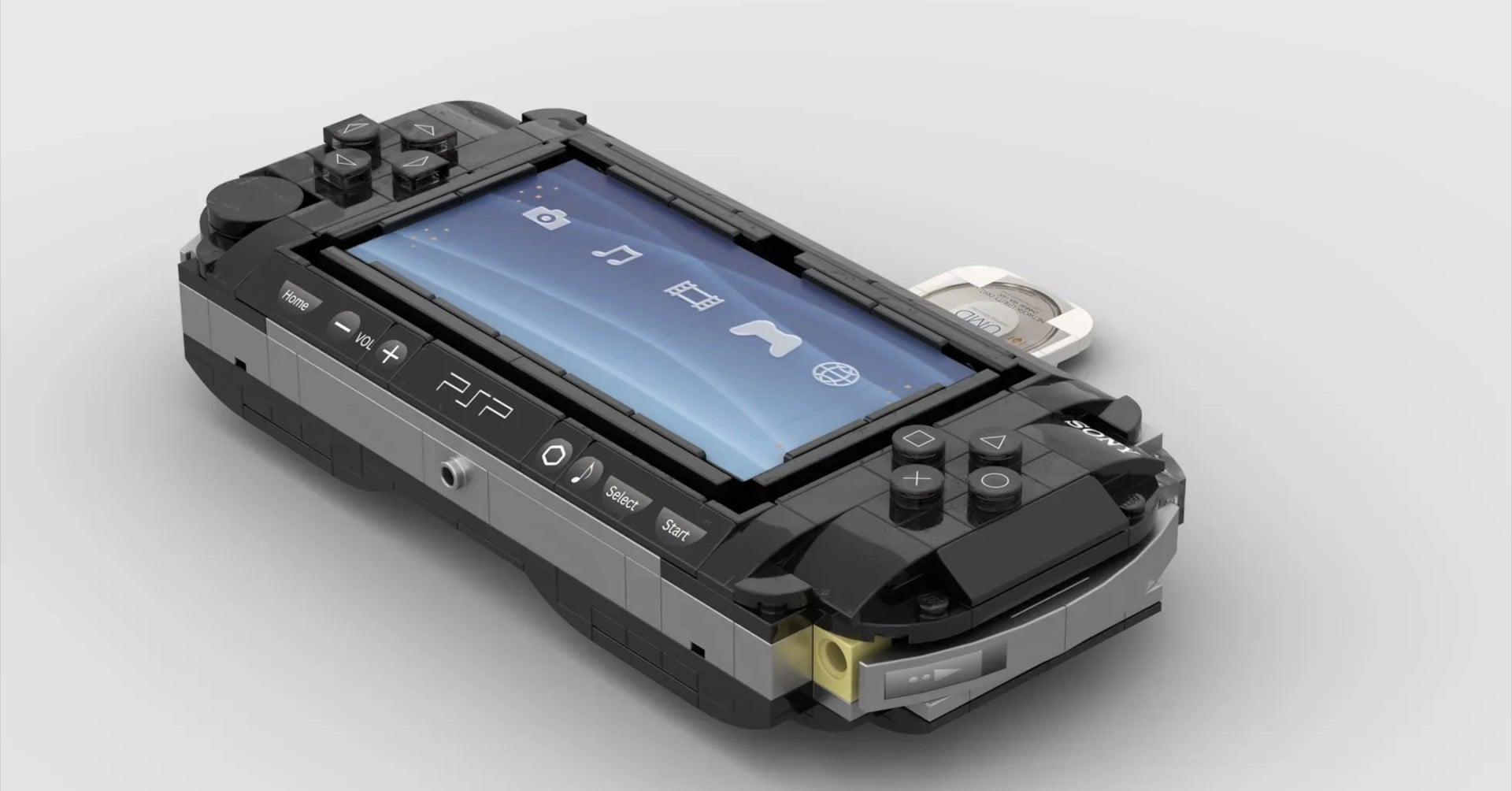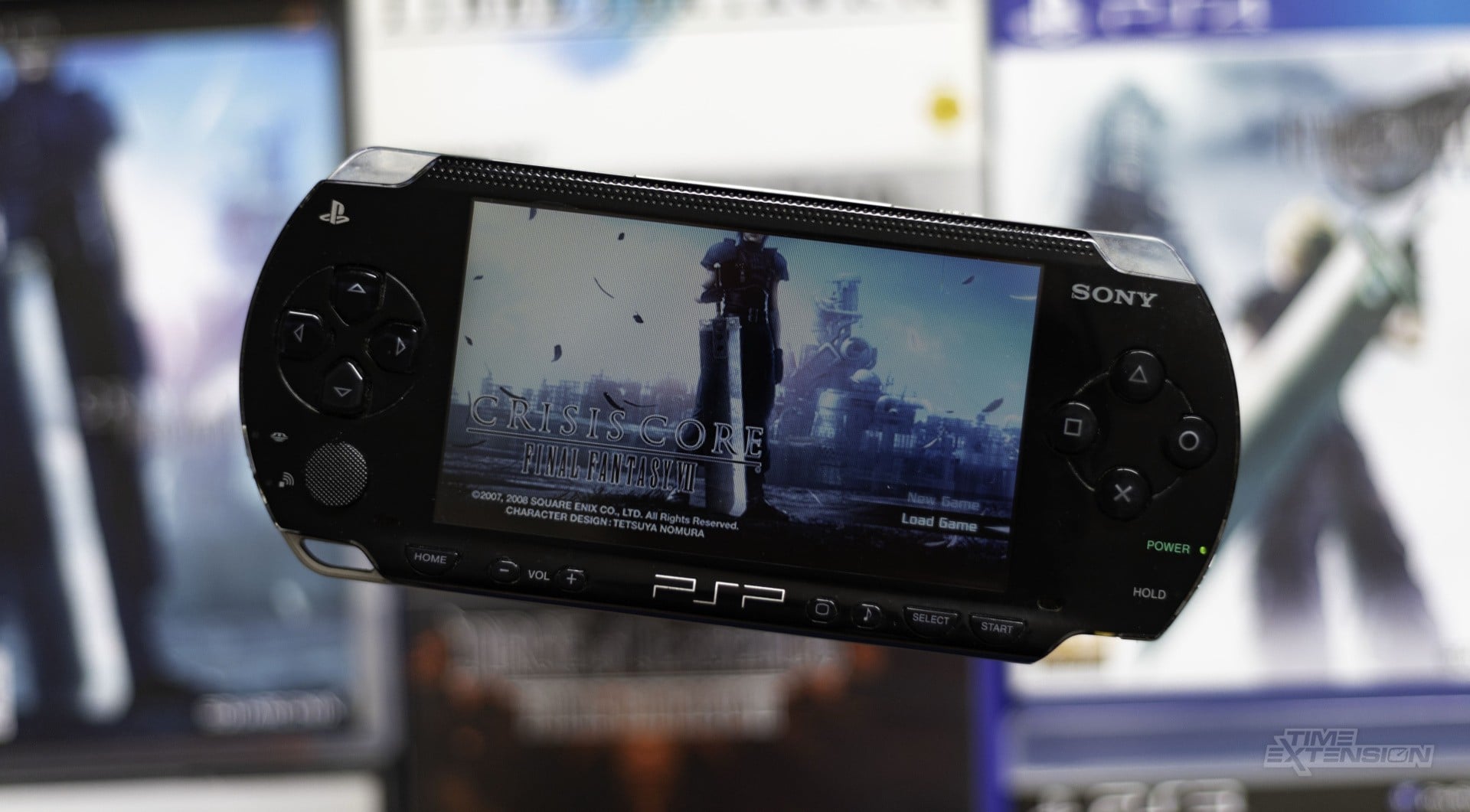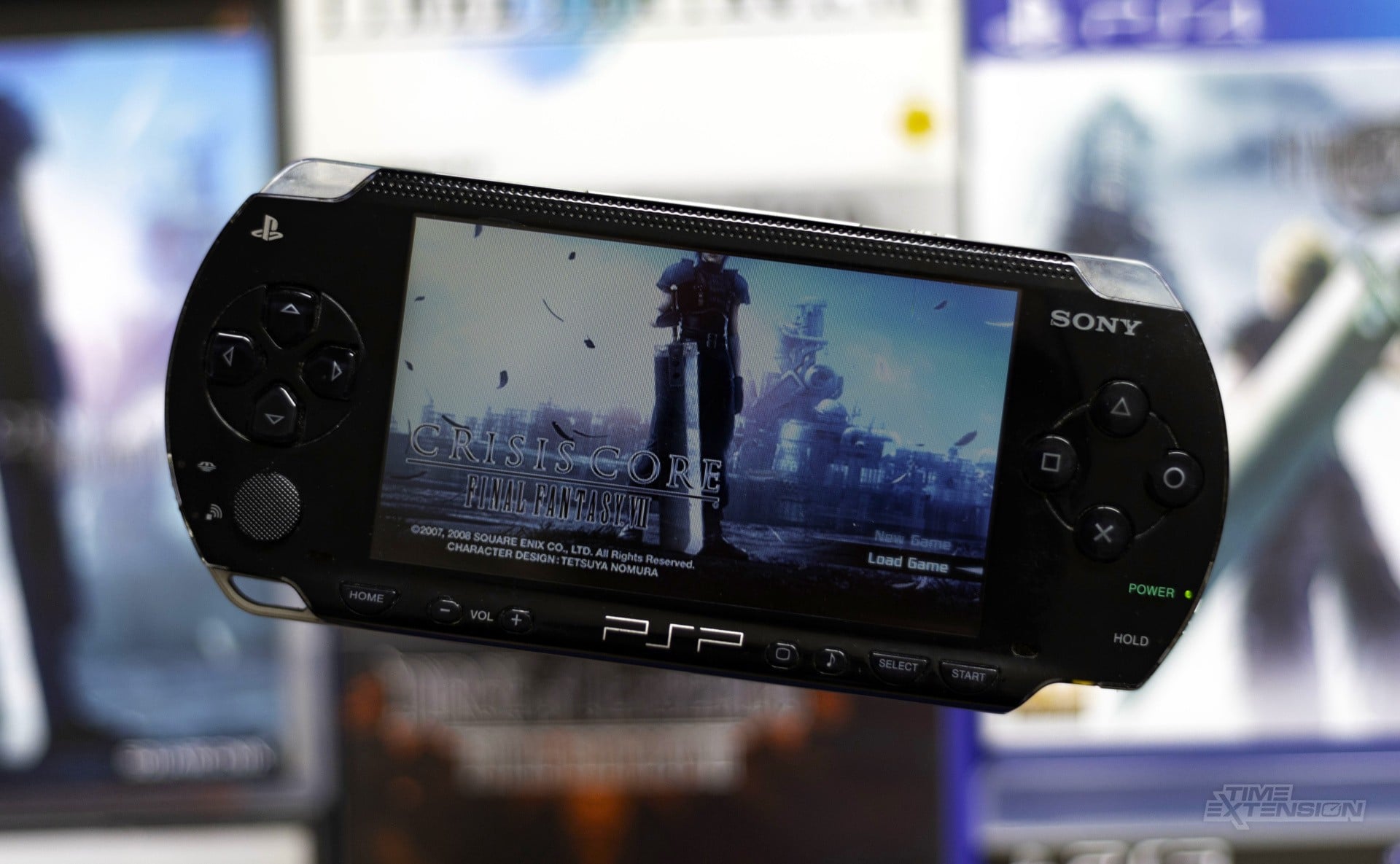
The PlayStation Portable (PSP) remains one of Sony's most iconic contributions to handheld gaming, yet conversations about its legacy often spark heated debates across social media.
Recent discussions have questioned whether the impressive sales performance of Sony’s first major portable gaming system truly merits being labeled a 'failure'—especially when pitted against the monumental success of rival platforms like the Nintendo DS.
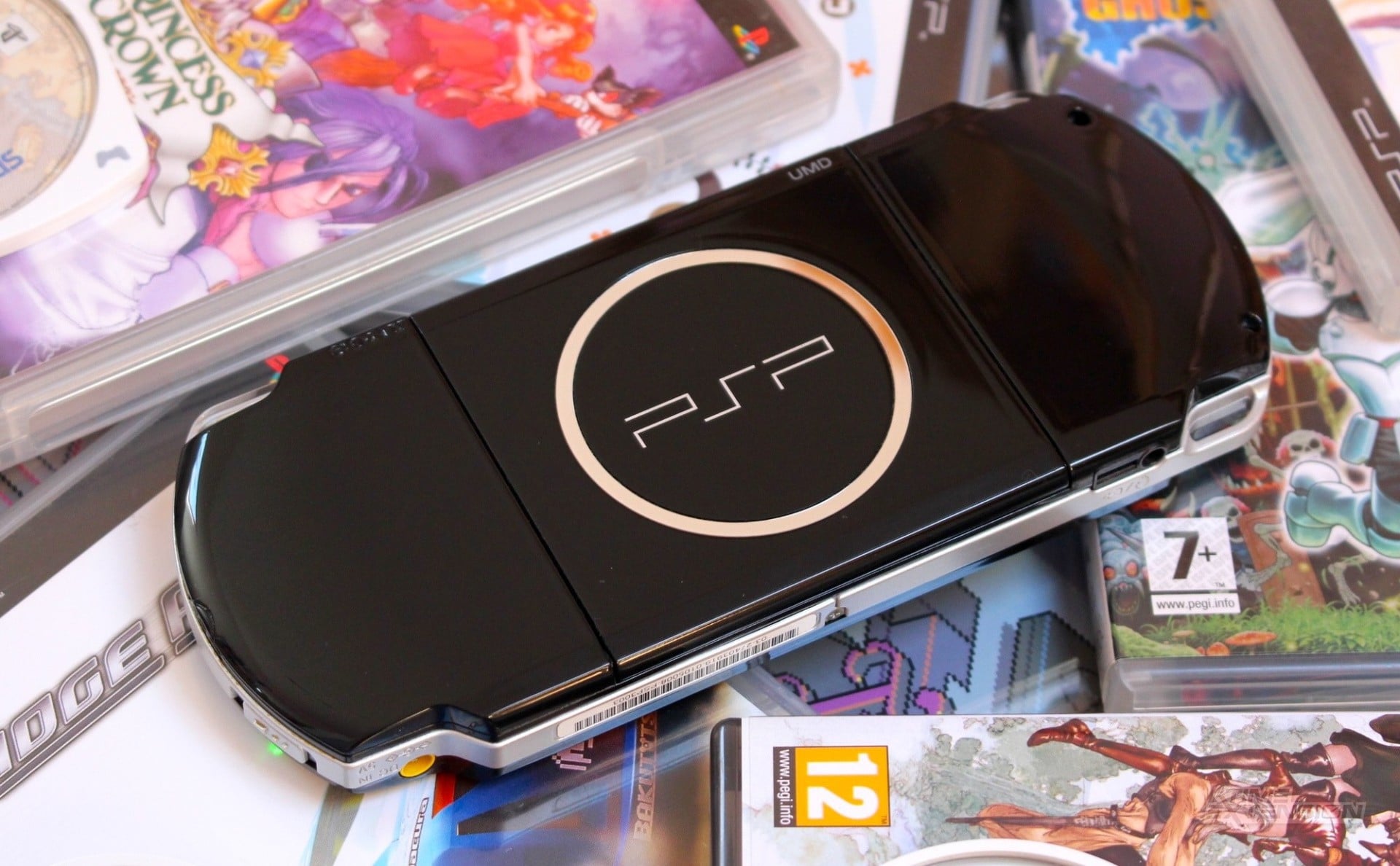
Launched worldwide between 2004 and 2005, the PlayStation Portable was Sony’s bold foray into the handheld gaming market, long dominated by Nintendo.
Despite fierce competition, the PSP amassed a formidable 82 million units sold during its lifecycle.
By comparison, this sales figure comfortably surpasses other well-regarded consoles such as the Sega Mega Drive / Genesis (30.75 million units), Super Nintendo Entertainment System (SNES, 49.5 million units), and Nintendo Entertainment System (NES, 61.91 million units)—all routinely cited as commercial triumphs in gaming history.
The online debate recently reignited following a social media post referencing a video entitled “Why The PlayStation Handhelds Failed.” This video discusses both the PSP and its follow-up, the PlayStation Vita.
The crux of the controversy centers on why a device that sold over 80 million units could ever be deemed unsuccessful.
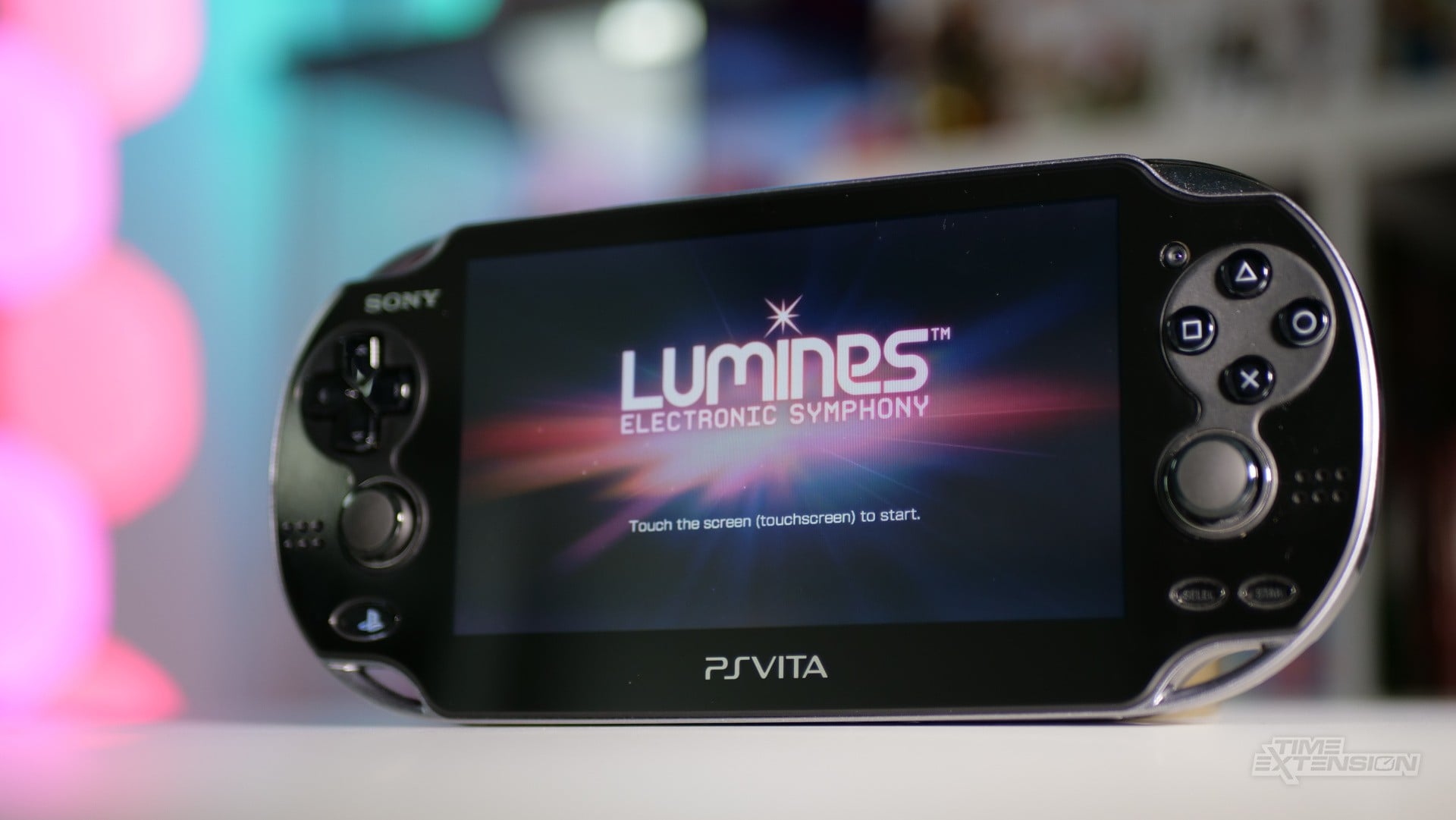
In contrast to the PSP, the PlayStation Vita saw markedly less traction, with sales figures just over 14 million, leading to expectations that did not quite materialize for Sony’s more advanced handheld.
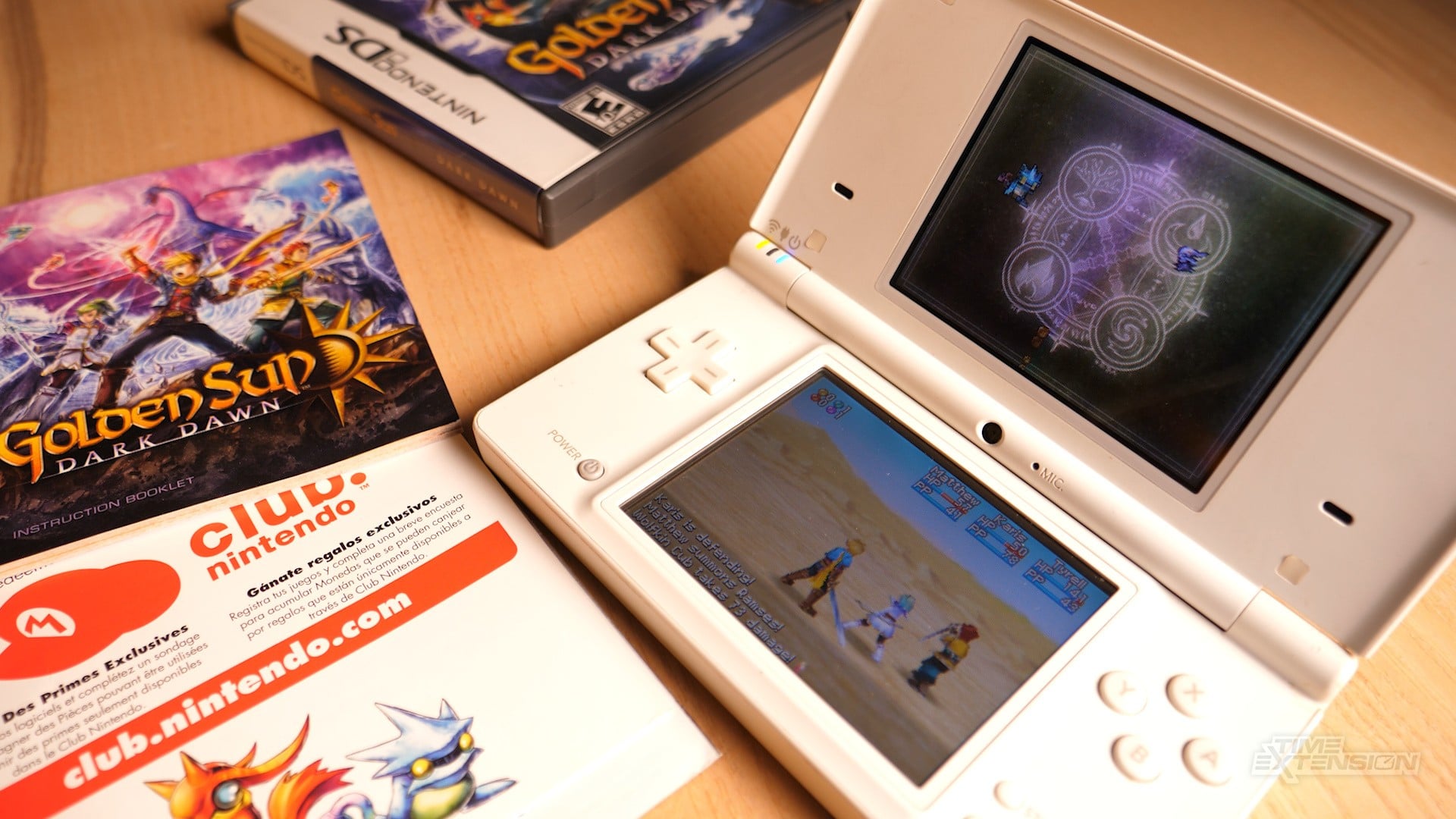
What seems to cloud the PSP's reputation is its head-to-head competition with the Nintendo DS, which remains the best-selling handheld console in history.
The DS achieved an unprecedented 154 million units sold before its discontinuation, effectively doubling the PSP’s total sales.
This extraordinary benchmark set by Nintendo has, perhaps unfairly, caused some to perceive the PSP as a commercial underachiever.
However, within the context of the broader market, the PSP's performance stands as a remarkable feat.
The legacy of the PSP is not diminished by its inability to surpass the Nintendo DS; instead, it highlights Sony’s entrance and lasting impact on the handheld segment—a space where few challengers have ever managed to thrive.
Even the Nintendo 3DS, which followed the DS and wrapped up its life cycle with 75 million units sold, did not quite match the PSP's numbers when comparing direct successors.
Industry analysts and gaming historians frequently emphasize that direct sales comparisons should also consider overall market dynamics, software support, and user engagement.
Sony’s PSP not only expanded the market for portable gaming but also set benchmarks for multimedia functionality and gave rise to a thriving library of beloved titles.
In summary, the narrative that the PlayStation Portable was a sales failure is not supported by the numbers.
With over 82 million units sold, the PSP carved out a legacy that stands alongside gaming’s greatest platforms.
Its achievements, especially in the face of such dominant competition from Nintendo, remain a testament to Sony’s innovation and influence in handheld gaming.
Recent discussions have questioned whether the impressive sales performance of Sony’s first major portable gaming system truly merits being labeled a 'failure'—especially when pitted against the monumental success of rival platforms like the Nintendo DS.
Launched worldwide between 2004 and 2005, the PlayStation Portable was Sony’s bold foray into the handheld gaming market, long dominated by Nintendo.
Despite fierce competition, the PSP amassed a formidable 82 million units sold during its lifecycle.
By comparison, this sales figure comfortably surpasses other well-regarded consoles such as the Sega Mega Drive / Genesis (30.75 million units), Super Nintendo Entertainment System (SNES, 49.5 million units), and Nintendo Entertainment System (NES, 61.91 million units)—all routinely cited as commercial triumphs in gaming history.
The online debate recently reignited following a social media post referencing a video entitled “Why The PlayStation Handhelds Failed.” This video discusses both the PSP and its follow-up, the PlayStation Vita.
The crux of the controversy centers on why a device that sold over 80 million units could ever be deemed unsuccessful.
In contrast to the PSP, the PlayStation Vita saw markedly less traction, with sales figures just over 14 million, leading to expectations that did not quite materialize for Sony’s more advanced handheld.
What seems to cloud the PSP's reputation is its head-to-head competition with the Nintendo DS, which remains the best-selling handheld console in history.
The DS achieved an unprecedented 154 million units sold before its discontinuation, effectively doubling the PSP’s total sales.
This extraordinary benchmark set by Nintendo has, perhaps unfairly, caused some to perceive the PSP as a commercial underachiever.
However, within the context of the broader market, the PSP's performance stands as a remarkable feat.
The legacy of the PSP is not diminished by its inability to surpass the Nintendo DS; instead, it highlights Sony’s entrance and lasting impact on the handheld segment—a space where few challengers have ever managed to thrive.
Even the Nintendo 3DS, which followed the DS and wrapped up its life cycle with 75 million units sold, did not quite match the PSP's numbers when comparing direct successors.
Industry analysts and gaming historians frequently emphasize that direct sales comparisons should also consider overall market dynamics, software support, and user engagement.
Sony’s PSP not only expanded the market for portable gaming but also set benchmarks for multimedia functionality and gave rise to a thriving library of beloved titles.
In summary, the narrative that the PlayStation Portable was a sales failure is not supported by the numbers.
With over 82 million units sold, the PSP carved out a legacy that stands alongside gaming’s greatest platforms.
Its achievements, especially in the face of such dominant competition from Nintendo, remain a testament to Sony’s innovation and influence in handheld gaming.